If you are searching for rehab in Denver for yourself or someone you love, the numbers behind that search are sobering. Preliminary data from the Denver Office of the Medical Examiner shows 563 drug-related overdose deaths in the City and County of Denver in 2025, nearly 100 more than the year before and just below the record 598 set in 2023.
The brief decline of 2024 did not hold. Fentanyl was involved in roughly two-thirds of Denver’s 2025 overdose deaths, with fatal fentanyl overdoses up nearly 25 percent over the prior year. Statewide fatal and nonfatal overdose trends are tracked by the Colorado Department of Public Health and Environment.
Denver residents have access to every level of addiction treatment on the continuum: medical detox, residential treatment, partial hospitalization, intensive outpatient, standard outpatient, and virtual care. Red Ribbon Recovery Colorado helps people start at the level that actually fits, whether that begins with us or with a referral.
This page explains how each level of addiction treatment works, what a day in a Denver rehab program looks like, what drug rehab Denver Colorado families can expect to pay with insurance, and where to find recovery meetings within Denver County.

Why finding the right addiction treatment matters
Untreated substance use is progressive. The gap between deciding to get help and actually starting treatment is where most attempts stall, and the wrong level of care quietly wastes the attempt. Someone drinking a fifth a day who books one therapy hour a week has chosen a plan that almost guarantees frustration.
Recovery is not a willpower contest. It is a medical process with known predictors, and level-of-care fit is the biggest one you control. Comparing Denver Colorado rehab options takes an afternoon; recovering from a mismatched placement takes months.

You can overcome addiction. Reach out to discover:
Treatment for substance use disorder in Denver, CO
Substance abuse treatment in Denver is not one program. It is a continuum, and where you start should match withdrawal risk, co-occurring mental health needs, and how stable your home environment is. The American Society of Addiction Medicine publishes the ASAM Criteria, the placement standard most clinicians and insurers use to match a person to the right intensity of care and step them down as recovery stabilizes.
When you compare Denver rehab centers or any program serving the metro area, ask whether an ASAM-informed assessment happens before admission. If a rehab center offers everyone the same track regardless of assessment, keep looking. SAMHSA’s findtreatment.gov locator lists the licensed withdrawal management and treatment programs operating within 50 miles of Denver, which makes it a useful cross-reference while you evaluate options.
Medical detox: the first step at a rehab center for many Denver residents
For people with physical dependence on alcohol, opioids, or benzodiazepines, drug rehab in Denver terms usually has to begin with medical detox. SAMHSA’s Treatment Improvement Protocol 45 defines detoxification as three components: evaluation, stabilization, and fostering entry into treatment.
Withdrawal symptoms can begin within hours of the last use or take several days to appear, depending on the substance. The stabilization phase is where medical supervision earns its keep. Alcohol and benzodiazepine withdrawal can cause seizures and, in severe alcohol cases, delirium tremens, which is why quitting cold at home is genuinely dangerous for heavy daily drinkers.
TIP 45 draws a hard line here. Medical detox clears the body, but it does not change the patterns that drove the use, so a recovery plan for the next level of care should exist before withdrawal management ends.
Residential treatment when home is part of the problem
Some people need distance from their environment before therapy can hold. Residential treatment provides 24-hour structure, clinical staff on site, and a daily schedule of individual and group work. Residential treatment corresponds to Level 3 in the ASAM continuum and typically runs 30 to 90 days depending on clinical need, not a fixed calendar.
People seeking alcohol addiction treatment after years of daily drinking often step into residential care directly from medical detox. If you are weighing alcohol rehab Denver options against each other, ask whether withdrawal management happens on site or gets referred out; the answer changes the logistics of the first week considerably.
Residential treatment tends to be the right fit for someone who:
- Lives or spends time in an environment saturated with access to alcohol or drugs
- Has tried outpatient treatment before without lasting results
- Has withdrawal risks or medical needs that call for round-the-clock support
- Needs to step away from daily life completely to focus on recovery
Outpatient rehab for Denver: PHP, IOP, and standard OP
Most Denver residents we treat do not need a bed. They need structured addiction treatment that coexists with a job, a lease, and a family. Outpatient care comes in three distinct intensities, and the acronyms matter because insurers authorize them differently:
- Partial hospitalization program (PHP). The most intensive outpatient level, usually five to six hours of programming five days per week. A PHP functions as a step down from residential treatment or a step up when weekly therapy is not holding.
- Intensive outpatient program (IOP). Typically three hours per day, three to five days per week, with day and evening tracks. IOP is the workhorse level for employed Denver residents because it fits around a work schedule.
- Standard outpatient (OP). One to three hours of therapy per week. Standard outpatient treatment suits milder substance abuse patterns or people finishing a step-down sequence.
Any of these can also be delivered virtually. Telehealth and virtual treatment brings the same clinicians and programming online, which is often what makes starting possible for Denver residents whose schedule, childcare, or transportation would otherwise get in the way.
Outpatient care tends to be the right fit for someone who:
- Has a stable, substance-free place to live and people who support the recovery
- Needs to keep working, parenting, or attending school during treatment
- Has a milder pattern of use or low withdrawal risk
- Is stepping down from residential treatment or a PHP
An honest assessment first, then the level, in that order. Recovery rarely survives a level of care chosen for convenience.
Dual diagnosis treatment for mental health conditions
Depression, anxiety, PTSD, and bipolar disorder frequently travel with addiction, and treating one while ignoring the other is a documented path to relapse. The National Institute on Drug Abuse reports that only about 18 percent of addiction treatment programs have the capacity to serve dually diagnosed patients. Ask about dual diagnosis capability specifically, because most programs cannot honestly answer yes.
Dual diagnosis treatment means the substance use disorder and the mental health condition are assessed and treated by the same clinical team under one plan. NIDA’s research on co-occurring disorders shows the relationship runs in both directions: mental health symptoms can drive self-medication, and sustained substance abuse can worsen or unmask psychiatric conditions. A Denver resident who has cycled through treatment before without lasting recovery should ask whether the mental health side was ever actually addressed.

Licensing, accreditation, and staff credentials
Any rehab center you consider, ours included, should be licensed by the State of Colorado and able to show it. Independent accreditation from a body such as the Joint Commission or CARF is a further signal that a program submits its clinical and recovery operations to outside review. If a facility hesitates when you ask about licensing, that hesitation is your answer.
Staff credentials at a rehab center shape treatment quality just as directly. Look for licensed addiction counselors (LAC), licensed professional counselors (LPC and LPCC), mental health clinicians experienced in dual diagnosis care, and medical staff trained in withdrawal management. Credentialed clinicians are trained in evidence-based modalities and held to ethics boards, which matters when someone is trusting a program with the hardest weeks of their recovery. You can review our clinical team and their credentials before you ever call.
Free Insurance Check
Our rehab center accepts most insurance plans.
Check if your insurance will cover the cost of treatment by filling out our confidential insurance form. We accept most insurance plans.

What a typical day in addiction treatment looks like
Families imagining a Denver rehab schedule often picture either a hospital or a spa. Neither is accurate. A weekday in PHP or IOP is closer to a structured school day.
Mornings usually open with a brief check-in, then group therapy, where most of the clinical work happens. Groups are skills sessions, not confession circles. Each client also has scheduled individual therapy with a primary therapist, typically weekly, plus psychiatric appointments for medication management where indicated. Afternoons in higher levels of care add psychoeducation and relapse prevention planning. Predictable days rebuild a nervous system accustomed to chaos and give recovery a daily rhythm.
Therapies used in a Denver Colorado treatment plan
The clinical core is built on approaches like cognitive behavioral therapy and dialectical behavior therapy, focused on identifying triggers, interrupting automatic patterns, and tolerating distress without using. For clients whose substance abuse is tangled up with trauma, EMDR, eye movement desensitization and reprocessing, reduces the emotional charge of traumatic memories so they stop functioning as relapse triggers.
Experiential work rounds out the plan. Some Colorado programs use equine therapy as a complementary approach; our experiential track centers on adventure therapy, which puts Colorado’s outdoors to clinical use. For opioid and alcohol use disorders, medication-assisted treatment with medications like buprenorphine or naltrexone reduces cravings and lowers relapse and overdose risk, and it works best combined with counseling rather than replacing it. The full menu of evidence-based and holistic therapies varies by level of care.
After treatment: continuing care and recovery in Denver, CO
Discharge planning starts weeks before discharge happens. Addiction behaves like other chronic conditions, and the highest relapse risk sits in the first months after an addiction treatment program ends. A solid recovery plan for someone returning to Denver includes a step-down level of care rather than an abrupt stop, a sober living referral when housing is the unstable variable, an established outpatient therapist and prescriber, and a peer support routine inside the city. A meeting you can reach in ten minutes gets attended; a meeting 40 minutes away does not.
Family therapy during and after treatment matters more than most families expect. The household patterns that formed around active use do not dissolve on their own, and family members need their own recovery tools. For clients who connect with peer fellowship, a 12-step program provides free, permanent recovery infrastructure in every corner of Denver. For those who do not, secular alternatives are listed below. The specific pathway matters less than having one.
Alumni programs and long-term recovery suppor
Ask any program you are considering what happens after discharge. Alumni programs, regular check-ins, recovery events, and alumni group chats keep former clients connected to the addiction treatment community and to each other. That connection is protective. People in early recovery who stay tied to an alumni network have a built-in place to raise a hand before a lapse becomes a relapse, and long-term alumni model what year two and year five of recovery actually look like.
WE ARE AVAILABLE 24/7
Request a call for answers and help.
If you or someone you care about is struggling with addiction or mental health problems, request a call to speak with a knowledgeable treatment specialist. Our team is here to help you understand your options for care. There is no cost or obligation to enter treatment by requesting a call.
"*" indicates required fields
Online and peer support options in Denver
If you want structured support between now and a first appointment, start with our virtual option, then Denver’s peer fellowships. Everything below except the first item is independent of Red Ribbon Recovery Colorado and free to attend:
- Red Ribbon Recovery Colorado telehealth. Live virtual therapy and psychiatric support with our clinical team, often the fastest way for Denver residents to start structured treatment. Call (303) 219-3980.
- Denver Area Central Committee of Alcoholics Anonymous. The AA central office for Denver and the surrounding metro, with a searchable meeting directory and a 24-hour helpline at (303) 322-4440. daccaa.org
- Mile High Area of Narcotics Anonymous. The NA service body covering Denver, with in-person and virtual meeting lists and a helpline at (303) 832-3784. denverna.com
- SMART Recovery. A secular, science-based alternative to 12-step recovery, with online meetings daily. smartrecovery.org
- Al-Anon. For family members and friends affected by someone else’s drinking. al-anon.org
- Nar-Anon. The parallel program for families affected by drug use. nar-anon.org
- SAMHSA National Helpline. Free, confidential, 24/7 treatment referral at 1-800-662-4357. samhsa.gov/find-help/national-helpline
Sober things to do in Denver
Recovery needs a life worth staying sober for, and Denver makes that easier than most cities. The city maintains more than 250 urban parks and over 80 miles of trails through Denver Parks and Recreation.
Washington Park, which locals shorten to Wash Park, has a flat running loop, two lakes, and permanent pickup volleyball culture through the warm months. City Park holds the Denver Zoo and the Denver Museum of Nature and Science inside its borders, a reliable full-day plan with kids or visiting family.
The Cherry Creek Trail runs a car-free paved path from the southeast side of the city into downtown, and Confluence Park, where Cherry Creek meets the South Platte River, is where Denver goes to sit by moving water. Early recovery has a lot of newly empty hours in it. Denver residents have an unusual amount of free, sober infrastructure for filling them.
Insurance and the cost of drug rehab for Denver residents
Cost is the question families circle around and rarely ask directly, so here is the direct version. Most commercial insurance plans cover addiction treatment because federal parity law requires them to cover behavioral and mental health care comparably to medical care. What varies is the network status of the rehab center, the deductible, and which levels of care your specific plan authorizes.
How much of the cost does insurance cover?
Depending on the plan, network status, and deductible progress, insurance commonly covers anywhere from roughly half to the full cost of treatment. Medical detox and residential treatment are authorized in day increments with utilization review; PHP and IOP are usually authorized in blocks of sessions.
Out-of-pocket cost for the same episode of care can differ by thousands of dollars between two plans, which is why guessing is a bad strategy. Directory listings of drug rehab centers in Denver Colorado almost never display network status, so confirm it with the provider directly.
You can verify your insurance through Red Ribbon Recovery Colorado in a few minutes, confidentially and at no cost, and get a plain answer about addiction treatment coverage before you commit to anything. If you would rather talk it through, contact our admissions team at (303) 219-3980.
How people pay for treatment
We accept most commercial insurance plans, and insurance is how the majority of our clients pay. For those without coverage, or who prefer not to use it, self-pay is available, and admissions can walk you through what that looks like for the level of care you need. Funds from an HSA or FSA can also be applied, since addiction treatment is a qualified medical expense. Whatever the payment route, the first step is the same: a short, confidential call to sort out what your situation actually allows.
Rehab might feel like a big step, but remember why you're here—you’re looking for a way forward. We can help.
More resources from Red Ribbon Recovery Colorado
Frequently asked questions
Do I need a referral to get into a rehab center in Denver?
No. You can self-refer, and most people do. A doctor, therapist, or EAP can point you toward treatment, but nothing about admission requires it. You call, an admissions coordinator runs a confidential assessment, and insurance verification happens the same day.
Does Red Ribbon Recovery Colorado offer virtual treatment for Denver residents?
Yes. Our telehealth and virtual treatment option delivers therapy and psychiatric support online, and many Denver residents use it as their starting point when getting to the facility regularly is not realistic yet. Others commute for outpatient addiction treatment several times a week and never need it. Both paths lead to the same clinical team, and moving between virtual and in-person sessions as life changes is normal, not a downgrade.
How long does addiction treatment take?
It depends on the level of care and clinical progress, not a preset calendar. Medical detox typically runs 3 to 10 days. Residential treatment commonly runs 30 to 90 days. PHP and IOP each tend to run several weeks, and many people move through two or three levels in sequence. A full continuum episode often spans three to six months, with standard outpatient treatment and recovery support continuing after that.
Can I keep taking MAT medications after treatment ends?
Yes. Medications like buprenorphine and naltrexone are not meant to stop when a program does, and discharging without a prescriber lined up is how medication lapses happen. Discharge planning includes the handoff: a continuing prescriber, the next appointment scheduled before you leave, and enough medication to bridge the gap. If a program treats MAT as something you graduate from on their timeline rather than yours and your doctor’s, ask more questions.
Does insurance cover a Denver drug rehab program?
In most cases, yes, at least partially and often substantially. Coverage depends on your plan, your deductible status, and medical necessity review at each level of care. An insurance verification tells you exactly what applies to you, which beats any general answer this page could give.
Can I keep my job while attending a Denver alcohol rehab program?
Usually. IOP evening tracks exist specifically for working adults, and virtual sessions remove the commute entirely. Federal law also gives many employees FMLA protections for treatment. Employers generally cannot access your records; confidentiality of substance abuse treatment records is protected under federal regulation.
What should I do if someone is overdosing right now?
Call 911 immediately and administer naloxone if it is available. Do not wait to see if the person improves on their own, and do not assume a stimulant overdose is safer than an opioid one; Denver’s Medical Examiner notes fatal overdoses frequently involve fentanyl and methamphetamine together. For a mental health emergency, including suicidal thoughts, call or text 988, the Suicide and Crisis Lifeline. This page is for planning treatment; an emergency comes first.
Is AA more effective than rehab?
They are different tools, not competitors. AA is free peer support; rehab is clinical treatment with licensed staff, therapy, and medication when indicated. Research supports both, and they work best together: treatment addresses the disorder, and meetings sustain the recovery afterward. Someone with physical dependence or a co-occurring condition needs clinical care first; meetings alone are not built to manage withdrawal or psychiatric symptoms.
What percentage of people stay sober after rehab?
Honest programs will not quote you a success rate. NIDA reports relapse rates for substance use disorders of 40 to 60 percent, similar to other chronic conditions like hypertension and asthma, and relapse in a chronic illness signals that treatment needs adjusting, not that it failed. What predicts better outcomes is completing the recommended level of care, continuing care afterward, and treating co-occurring conditions.
How do I actually start recovery?
One phone call starts it.
- Call (303) 219-3980 for a confidential assessment, usually 15 to 20 minutes.
- An admissions coordinator verifies your insurance while you are on the line.
- You get a recommended starting level of care and an earliest start date, often within 24 to 48 hours.
Meet the team of specialists at Red Ribbon Recovery Colorado
Meet the dedicated team at Red Ribbon Recovery Colorado. Our qualified treatment professionals are committed to providing the best addiction and mental health care.





What clients are saying about Red Ribbon Recovery Colorado
Get help for drug and alcohol addiction at a rehab serving Denver, Colorado
Deciding to get treatment is hard enough without having to figure out the system alone. One call to (303) 219-3980 covers it: an admissions coordinator talks through what has been going on, checks your insurance benefits at no cost to you, and tells you plainly which level of care fits, whether that is detox, residential, an outpatient program, or a virtual session that starts this week.
You can verify your insurance online or look through the admissions process before you pick up the phone. Some people call for themselves. Most call for a son, a wife, a friend they are scared for. Either way the conversation is confidential, nobody pressures you, and you hang up knowing what the next step actually is, which is more than most families in this situation have had in a long time.
Get addiction treatment you need here
Zip codes we service in Denver
80221, 80229, 80233, 80234, 80260, 80201, 80202, 80203, 80204, 80205, 80206, 80207, 80208, 80209, 80210, 80211, 80212, 80216, 80217, 80218, 80219, 80220, 80222, 80223, 80224, 80227, 80230, 80231, 80235, 80236, 80237, 80238, 80239, 80243, 80244, 80246, 80247, 80248, 80249, 80250, 80251, 80252, 80256, 80257, 80259, 80261, 80262, 80263, 80264, 80265, 80266, 80271, 80273, 80274, 80281, 80290, 80291, 80293, 80294, 80299, 80214, 80215, 80225, 80226, 80228, 80232, 80255, 80275, 80292, 80285, 80270
We are here to help you or a loved one find addiction treatment near you.
Admitting you have a substance abuse problem and asking for help is not always easy. If you or a loved one are struggling with drug addiction, alcohol addiction or another substance use disorder, help is available. Call SAMHSA’s National Helpline at (303) 219-3980 to learn about resources in your area or reach out to our team for personalized treatment.
Treatment Center Reviews
Bridget LaRocco
I have been to this facility twice now, for Laser Hair removal and Botox. I saw Kim 2 times now for laser and she has been great, she made me feel really comfortable and…
Bridget LaRocco
I have been to this facility twice now, for Laser Hair removal and Botox. I saw Kim 2 times now for laser and she has been great, she made me feel really comfortable and…
Bridget LaRocco
I have been to this facility twice now, for Laser Hair removal and Botox. I saw Kim 2 times now for laser and she has been great, she made me feel really comfortable and…
Treatment center reviews
Sources
- Al-Anon Family Groups. (n.d.). Al-Anon Family Groups.
- American Society of Addiction Medicine. (n.d.). About the ASAM Criteria.
- City and County of Denver. (n.d.). Parks and recreation.
- Colorado Department of Public Health and Environment. (n.d.). State Unintentional Drug Overdose Reporting System (SUDORS).
- Denver Area Central Committee of Alcoholics Anonymous. (n.d.). Denver Area Central Committee.
- The Denver Gazette. (January 15, 2026). Fatal fentanyl overdoses in Denver up nearly 25% in 2025, health department says.
- Mile High Area of Narcotics Anonymous. (n.d.). Mile High Area of Narcotics Anonymous.
- 9NEWS. (December 29, 2025). Overdose deaths in Denver are climbing again, topping 2024 numbers.
- National Institute on Drug Abuse. (April, 2020). Common comorbidities with substance use disorders research report.
- National Institute on Drug Abuse. (July 6, 2020). Treatment and recovery
- National Institute on Drug Abuse. (September 30, 2024). Co-occurring disorders and health conditions.
- Substance Abuse and Mental Health Services Administration. (n.d.). FindTreatment.gov.
- Substance Abuse and Mental Health Services Administration. (2015). TIP 45: Detoxification and substance abuse treatment.
About the content
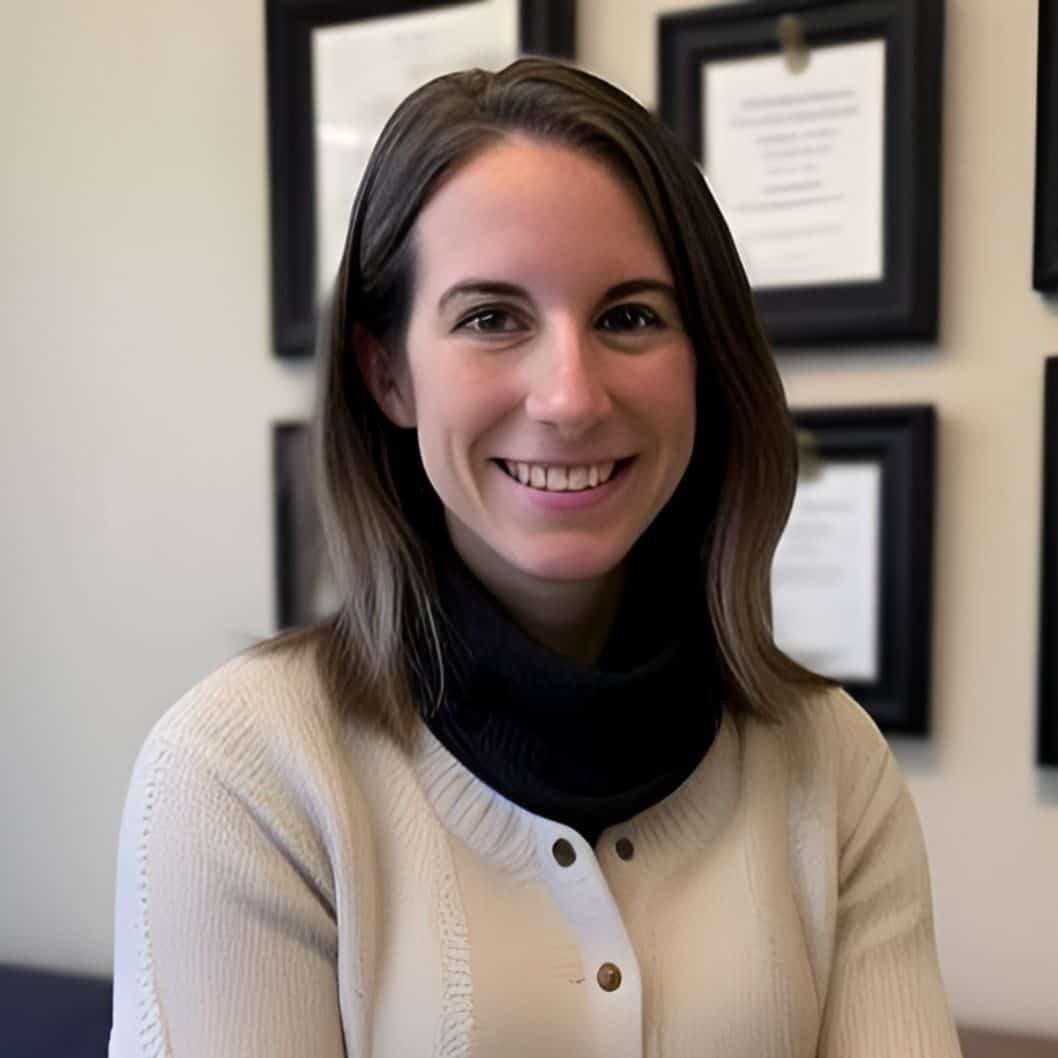
Written by: Carli Simmonds. Carli Simmonds holds a Master of Arts in Community Health Psychology from Northeastern University. From a young age, she witnessed the challenges her community faced with substance abuse, addiction, and mental health challenges, inspiring her dedication to the field.
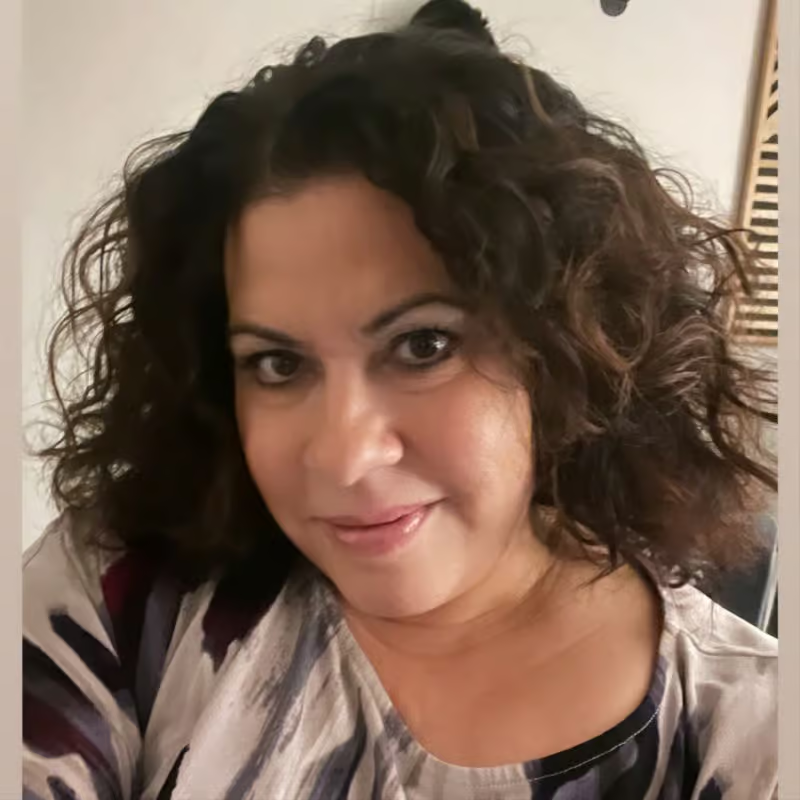
Medically reviewed by: Jodi Tarantino, MSW, LICSW. Jodi Tarantino is an experienced, licensed Independent Clinical Social Worker (LICSW) and Program Director with over 20 years of experience in Behavioral Healthcare. Also reviewed by the RRR Editorial team.
Red Ribbon Recovery in Colorado is committed to delivering transparent, up-to-date, and medically accurate information. All content is carefully written and reviewed by experienced professionals to ensure clarity and reliability. During the editorial and medical review process, our team fact-checks information using reputable sources. Our goal is to create content that is informative, easy to understand and helpful to our visitors.