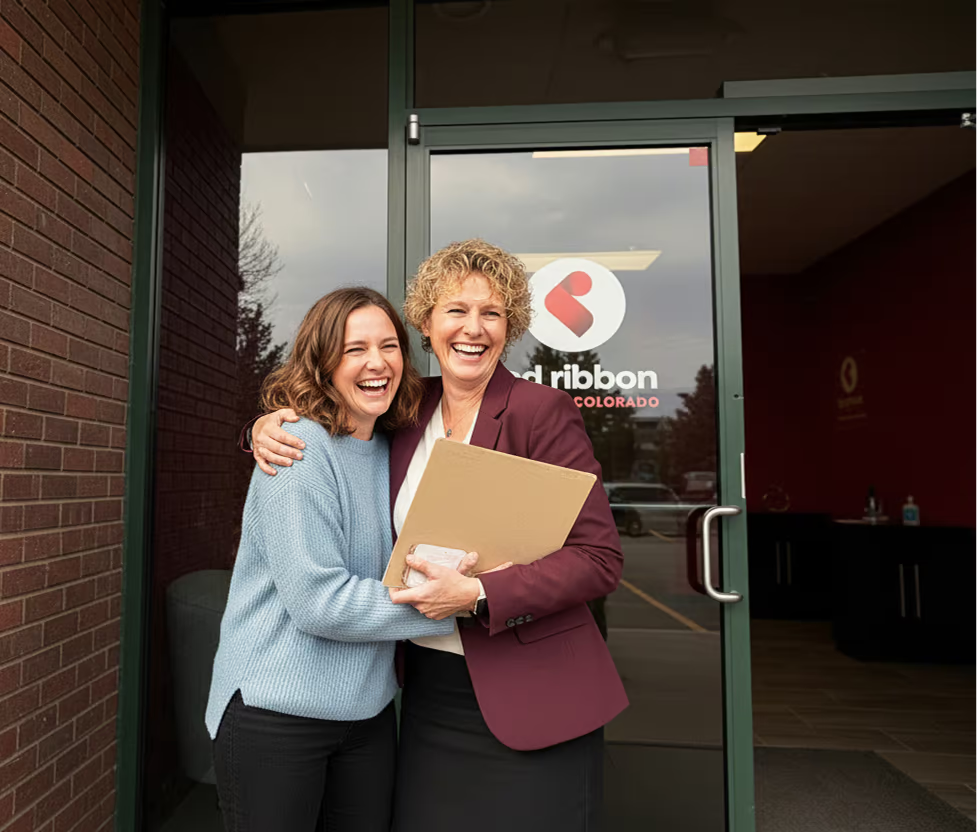
For many seeking help, the first question is what is DBT therapy and how can it support recovery? Dialectical behavior therapy (DBT) Colorado offers a structured, evidence-based path for managing intense emotions. If you are new to this approach, you might wonder what does DBT stand for; it stands for Dialectical Behavior Therapy, a method focused on strengthening relationships and creating healthier coping skills. With its roots in treating borderline personality disorder, DBT is now widely recognized for helping people facing depression, anxiety, trauma, and substance use challenges.
What is dialectical behavioral therapy?
Dialectical behavior therapy (DBT) is a form of behavior therapy originally developed by Dr. Marsha Linehan for treating borderline personality disorder and suicidal borderline patients. Over time, research has shown that learning and improving upon various skills within dialectical therapy provides effective treatment for a wide range of mental health conditions, including major depressive disorder, generalized anxiety disorder, eating disorders such as binge eating disorder, post-traumatic stress disorder, and even substance use disorder.
This approach to dialectical therapy focuses on four core areas: mindfulness, emotion regulation, distress tolerance skills, and interpersonal effectiveness skills. Together, these build a strong foundation for lasting recovery, healthier relationships, and greater self-awareness.
How does dialectical behavior therapy DBT work?
DBT is designed to balance acceptance with change and is often seen paired with other therapies, such as cognitive behavioral treatment, group therapy, and even dual-diagnosis treatment for those suffering from co-occurring disorders. Patients work with licensed mental health professionals who help them explore their struggles while also teaching coping skills to manage intense emotions and challenging situations.
The typical dialectical behavior therapy DBT program involves a structured combination of individual therapy sessions, group therapy, and skills training. Between sessions, patients practice DBT skills in daily life and complete homework assignments to reinforce what they’ve learned. This consistent practice helps them apply various Dialectial behavior therapy (DBT) techniques, handle stress more effectively, and gradually replace destructive behaviors with healthier ones.
How dialectical behavior therapy can be used alongside cognitive behavioral therapy
While CBT and DBT are often discussed separately, many treatment programs find that using both DBT and CBT together creates a powerful, well-rounded approach to healing. Cognitive behavioral treatment helps patients identify and change negative thought patterns, while dialectical behavior therapy DBT involves building practical skills like mindfulness, emotion regulation, and distress tolerance.
When combined, the two therapies support each other; CBT provides the foundation for shifting unhelpful thinking, and DBT strengthens day-to-day coping skills, helping patients create lasting change in both their thoughts and behaviors.

You can overcome addiction. Reach out to discover:
What mental health conditions or addictions does DBT help treat?
Dialectical behavior therapy can be life-changing for people who feel stuck in cycles of overwhelming emotions, destructive behaviors, or difficult mental health challenges. Originally designed as a specialized form of dialectic behavioral therapy to help those struggling with suicidal thoughts, self-injury, or fractured relationships, DBT has since grown into a widely used approach for a variety of conditions.
Today, DBT supports individuals living with depression, anxiety, post-traumatic stress disorder, and eating disorders, while providing specialized dbt for substance use disorders. From teens navigating self-harm to adults seeking dbt for addiction and healthier coping strategies, the therapy offers hope and tools for anyone searching for stability and a more balanced life.
DBT also benefits those struggling with:
- Major depressive disorder and anxiety disorder.
- Borderline personality disorder.
- Eating disorders, including binge eating disorder.
- Post-traumatic stress disorder (PTSD).
- Substance use and abuse, including alcohol addiction, opioid dependency, etc.
- Suicidal behaviors, including self-harm.
- Other mental health conditions where emotion regulation, distress tolerance and similar skills are needed.
WE ARE AVAILABLE 24/7
Request a call for answers and help.
If you or someone you care about is struggling with addiction or mental health problems, request a call to speak with a knowledgeable treatment specialist. Our team is here to help you understand your options for care. There is no cost or obligation to enter treatment by requesting a call.
"*" indicates required fields
What occurs during DBT sessions?
In DBT therapy, patients usually participate in a combination of group and individual therapy. Individual therapy sessions provide a safe space to discuss personal challenges and tailor DBT treatment to a patient’s specific needs. Group settings, on the other hand, focus on DBT skills training, where patients practice skills together and learn from shared experiences.
Each DBT session may include discussions, role-playing exercises, mindfulness techniques, and homework assignments to reinforce lessons. Over time, patients develop skills that help them navigate real-life challenges with more resilience and calm.
Building new skills through DBT
At the heart of DBT is practical skill development designed to be applied in everyday situations. These skills focus on four essential areas: managing emotions, tolerating distress, practicing mindfulness, and strengthening relationships.
Through consistent practice, these strategies become ingrained habits that replace harmful patterns with healthier responses. Patients often find themselves more resilient, more confident, and better equipped to face challenges with clarity and composure.
Free Insurance Check
Our rehab center accepts most insurance plans.
Check if your insurance will cover the cost of treatment by filling out our confidential insurance form. We accept most insurance plans.

What is the outcome of DBT skills training and therapy?
The ultimate goal of DBT is to help individuals build a life they feel is worth living. Through comprehensive DBT programs, patients learn the big four DBT skills, including:
Emotion regulation skills for intense emotions
DBT involves teaching emotional regulation skills to manage overwhelming feelings without resorting to harmful behaviors. Patients learn to recognize triggers, identify patterns, and replace negative thoughts with positive emotions and healthier responses.
Distress tolerance
Instead of reacting impulsively during crises, DBT emphasizes distress tolerance like radical acceptance, breathing exercises, and grounding strategies. These help individuals stay calm and reduce self-destructive urges when facing painful experiences.
Mindfulness skills training
Mindfulness skills are at the heart of DBT. Patients learn to stay present in the moment, letting go of judgment and focusing on awareness. These techniques foster balance and clarity while improving emotional regulation, making it easier to handle stress and build interpersonal relationships.
Interpersonal skills
DBT highlights the importance of interpersonal effectiveness, teaching patients how to set boundaries, communicate clearly, and nurture healthy relationships. These new skills are essential for repairing damaged connections and building new, supportive ones.
Rehab might feel like a big step, but remember why you're here—you’re looking for a way forward. We can help.
Frequently asked questions
Is DBT done as a part of one-on-one or group therapy?
DBT is designed to give patients the best of both worlds. In one-on-one therapy sessions, DBT therapists work closely with you to address your unique challenges, provide personalized feedback, and help you stay motivated throughout treatment.
At the same time, group therapy offers a supportive environment where patients come together to practice DBT skills, share experiences, and encourage one another. This combination allows people to benefit from private, focused care while also building strength through community support.
Have there been clinical trials done for DBT therapy?
Yes, dialectical behaviour therapy has been carefully studied for decades, and its effectiveness is backed by science. Multiple trials, including research conducted by the Linehan Institute Behavioral Tech and other respected clinical settings, have shown that dialectical behavior therapy is one of the most effective treatments available for conditions like borderline personality disorder, self harm, and substance use disorder. These studies confirm what many DBT patients already know from experience: DBT offers real, lasting change.
Can DBT really help improve self destructive behaviors?
Yes; this is at the very heart of DBT. The therapy was originally developed to support chronically suicidal borderline patients who were struggling with self destructive behaviors. Decades of research and randomized studies now show that DBT reduces suicidal ideation, self harm, and relapse rates in people facing conditions such as substance use disorder.
With the right support and a commitment to practice DBT skills, many patients find that their destructive patterns give way to healthier habits, renewed hope, and a stronger sense of self-worth.
How long does DBT therapy take to show results?
Dialectical behavior therapy DBT is not a quick fix; it’s a process of learning, practicing, and applying new skills over time. Many patients begin to notice improvements in their ability to manage their emotions and handle stress after just a few weeks of dialectical behavior therapy sessions, especially when they actively practice DBT skills between appointments.
For long-term results, most DBT programs last several months to a year, allowing patients to fully develop and integrate the four DBT skills into everyday life. With patience, consistency, and the guidance of a licensed mental health professional, DBT can lead to lasting change and greater emotional stability.
Start your journey with Red Ribbon Recovery in Colorado
At Red Ribbon Recovery in Colorado, DBT therapists combine compassion with expertise to help patients find healing and stability. Through DBT treatment, including individual therapy, group sessions, and guided skills training, we help guide people to resources that will help build stronger coping strategies, healthier relationships, and lasting recovery.
Whether you’re facing borderline personality disorder, struggling with substance use disorder, or coping with other mental health conditions, DBT can provide the tools you need to reclaim your life. Let our mental health professionals walk beside you as you learn to manage intense emotions, strengthen interpersonal skills, and embrace positive emotions for a more fulfilling future.
Contact us and take the first step toward healing with a trusted DBT program in Colorado.
We are here to help you or a loved one find addiction treatment near you.
Admitting you have a substance abuse problem and asking for help is not always easy. If you or a loved one are struggling with drug addiction, alcohol addiction or another substance use disorder, help is available. Call SAMHSA’s National Helpline at (303) 219-3980 to learn about resources in your area or reach out to our team for personalized treatment.
Treatment Center Reviews
Bridget LaRocco
I have been to this facility twice now, for Laser Hair removal and Botox. I saw Kim 2 times now for laser and she has been great, she made me feel really comfortable and…
Bridget LaRocco
I have been to this facility twice now, for Laser Hair removal and Botox. I saw Kim 2 times now for laser and she has been great, she made me feel really comfortable and…
Bridget LaRocco
I have been to this facility twice now, for Laser Hair removal and Botox. I saw Kim 2 times now for laser and she has been great, she made me feel really comfortable and…
Sources
- Professional, C. C. M. (2025c, August 4). Dialectical Behavior Therapy (DBT). Cleveland Clinic. https://my.clevelandclinic.org/health/treatments/22838-dialectical-behavior-therapy-dbt
- Marsha Linehan | Behavioral Research & Therapy Clinics. (n.d.). https://depts.washington.edu/uwbrtc/our-team/marsha-linehan/
- Borderline personality disorder – Symptoms and causes. (n.d.). Mayo Clinic. https://www.mayoclinic.org/diseases-conditions/borderline-personality-disorder/symptoms-causes/syc-20370237
About the content

Written by: Carli Simmonds. Carli Simmonds holds a Master of Arts in Community Health Psychology from Northeastern University. From a young age, she witnessed the challenges her community faced with substance abuse, addiction, and mental health challenges, inspiring her dedication to the field.
Medical reviewed by: Jodi Tarantino, LICSW. Jodi Tarantino is an experienced, licensed Independent Clinical Social Worker (LICSW) and Program Director with over 20 years of experience in Behavioral Healthcare. Also reviewed by the RRR Editorial team.
Red Ribbon Recovery is committed to delivering transparent, up-to-date, and medically accurate information. All content is carefully written and reviewed by experienced professionals to ensure clarity and reliability. During the editorial and medical review process, our team fact-checks information using reputable sources. Our goal is to create content that is informative, easy to understand and helpful to our visitors.