
Gabapentin is sometimes used during addiction treatment to help manage symptoms such as alcohol withdrawal discomfort, anxiety, sleep disruption, and certain forms of nerve pain. Although it is not a cure for addiction and is not FDA-approved specifically for alcohol or opioid use disorders, it may have a supportive role in treatment when a healthcare professional determines that its benefits outweigh its risks. Gabapentin is an FDA-approved prescription medication that affects nerve signaling and is commonly prescribed to treat certain seizure disorders and forms of nerve pain. It is also used off-label in some addiction-related situations. Understanding its approved uses, off-label applications, side effects, dependence potential, and safety considerations can help clarify where it may fit within a broader treatment plan.
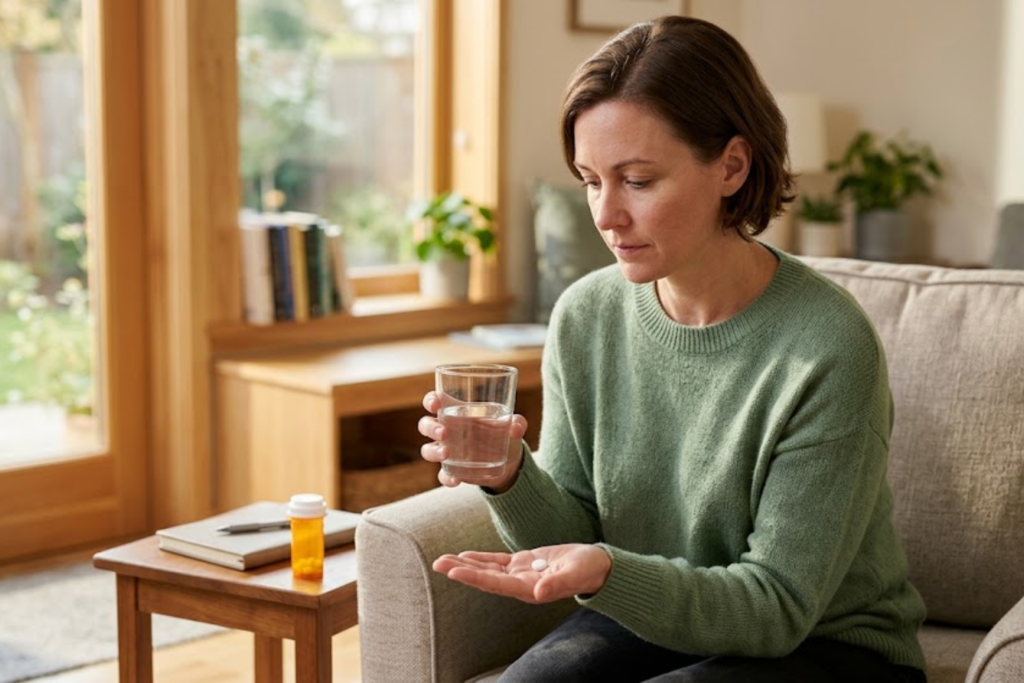
What is gabapentin and what is it prescribed for?
Gabapentin is an FDA-approved prescription medication commonly used to control partial seizures and relieve certain types of nerve pain. It is also prescribed off-label in some situations that may come up during addiction recovery, including alcohol withdrawal symptoms, anxiety, sleep disruption, and other forms of discomfort that can make early recovery more difficult.
Gabapentin may sometimes be considered alongside medication-assisted treatment when a healthcare professional determines that it may help with specific symptoms. It is not FDA-approved to treat substance use disorders themselves and does not replace medications specifically approved for alcohol or opioid use disorders.
Its approved uses include postherpetic neuralgia, a type of nerve pain that can remain after shingles, and partial seizures. Gabapentin enacarbil, an extended-release form, is also approved for restless legs syndrome. In addiction treatment, however, the focus is usually on whether gabapentin may help manage symptoms that could otherwise interfere with stabilization, sleep, or participation in care.
How does gabapentin work during addiction recovery?
Gabapentin changes the way certain brain cells and nerves send signals. Although its name resembles gamma-aminobutyric acid, or GABA, it does not bind directly to GABA receptors. Instead, it interacts with calcium channels involved in nerve signaling and abnormal electrical activity.
That mechanism is relevant to addiction recovery because withdrawal, anxiety, disrupted sleep, and nervous-system overactivity can make the early stages of treatment more difficult for some people. Gabapentin may help reduce certain symptoms in selected situations, which can make it easier to focus on the broader behavioral and psychological work involved in recovery.
Its effects vary based on dose, kidney function, other medications, and whether alcohol, opioids, or other substances are being used at the same time. For that reason, gabapentin is generally considered one possible supportive tool within a larger treatment plan rather than a stand-alone treatment for addiction.
Gabapentin brand names and formulations
Gabapentin is available as a generic product and under several brand names. Different formulations may have different instructions, so follow the prescription label carefully.
Common formulations include.
- Neurontin. A commonly used immediate-release form of gabapentin.
- Gralise. An extended-release formulation used for postherpetic nerve pain.
- Horizant. A brand of gabapentin enacarbil used for restless legs syndrome and certain nerve-pain conditions.
Some extended-release products may need to be taken with an evening meal. Do not split tablets unless the prescribing instructions specifically allow it.

You can overcome addiction. Reach out to discover:
Off-label gabapentin uses in addiction treatment
Healthcare professionals may prescribe gabapentin off-label when clinical evidence and individual circumstances support its use. In addiction treatment, it has been studied most often for symptoms associated with alcohol withdrawal, alcohol use disorder, sleep disruption, anxiety, and some forms of opioid withdrawal discomfort.
Gabapentin may sometimes be considered as one part of broader addiction treatment programs when symptom management is clinically appropriate. Possible reasons a healthcare professional might consider gabapentin include:
- Sleep problems. Gabapentin may reduce certain sleep disturbances for some people.
- Anxiety or nervous-system symptoms. It has been studied off-label for anxiety-related symptoms.
- Alcohol withdrawal symptoms. It may help with some mild or moderate symptoms in selected cases but does not replace appropriate medical management when severe withdrawal is possible.
- Opioid withdrawal discomfort. It has been studied as an adjunct for symptoms such as restlessness, aches, or sleep problems.
Its role depends on the condition being treated, other medications, kidney function, risk of misuse, and whether a person is physically dependent on other substances.
Is gabapentin a controlled substance?
Gabapentin is not federally classified as a controlled substance, although some states regulate it more closely because gabapentin misuse has been reported.
Risk is particularly important when gabapentin is taken with opioids, narcotic pain medicines, muscle relaxants, alcohol, or other sedating drugs. Combining these substances can increase severe sleepiness, decreased awareness, respiratory depression, and serious breathing problems. The FDA warns that gabapentin can cause serious breathing problems, particularly when certain respiratory risk factors or other central nervous system depressants are present.
A history of drug abuse or use of other addictive drugs may also affect how gabapentin is prescribed and monitored.
Free Insurance Check
Our rehab center accepts most insurance plans.
Check if your insurance will cover the cost of treatment by filling out our confidential insurance form. We accept most insurance plans.

Side effects of gabapentin
Common effects of gabapentin can include.
- Drowsiness
- Dizziness
- Fatigue
- Problems with coordination
- Double vision
- Increased appetite or weight gain
- Memory or concentration problems
- Jerky movements in some people
Because gabapentin can affect alertness and coordination, driving or operating machinery may be unsafe until its effects are known.
More serious symptoms require medical attention. These may include trouble breathing, severe sleepiness, a painful rash, swelling, signs of an allergic reaction, or unusual changes in mood or behavior.
Gabapentin and other seizure medicines have also been associated with an increased risk of suicidal thoughts or behaviors. Report new or worsening mood symptoms promptly to a healthcare professional.
Is gabapentin addictive? Understanding dependence and misuse
Gabapentin misuse and physical dependence can occur, particularly with higher doses, longer-term use, or when the medication is combined with other substances. Physical dependence and gabapentin addiction are not the same thing. A person can become physically dependent on gabapentin after regular use without developing compulsive drug-seeking behavior. Dependence means the body has adapted to the medication and may react when the dose is reduced or stopped.
Risk may be higher among people with a history of substance misuse, particularly when gabapentin is taken with opioids, alcohol, or other sedating medicines. Taking gabapentin only as prescribed and discussing changes with a healthcare professional can help reduce these risks.
Gabapentin addiction and misuse risk
Gabapentin misuse has been reported, especially among people who use opioids or multiple substances. Some people take higher doses than prescribed or combine gabapentin with other drugs to intensify sedation.
Signs that may warrant closer medical review include.
- Taking more gabapentin than prescribed
- Using the medication for effects other than its prescribed purpose
- Combining it with alcohol, opioids, or other sedatives
- Running out of medication early
- Continuing use despite unwanted effects
A healthcare professional may review other medications, kidney problems, substance use history, and the reason gabapentin was prescribed when assessing risk.
OUR PROCESS
1
Get in touch
with us2
Do a free
assessment3
Review your
insurance4
Start your
addiction treatment
Gabapentin withdrawal and stopping safely
Gabapentin withdrawal can occur when the body has adapted to regular use and the medication is reduced too quickly. Stopping gabapentin suddenly may produce significant withdrawal symptoms and, in some cases, increase the risk of seizures.
Reported symptoms can include.
- Anxiety or agitation
- Sweating
- Trembling
- Headache
- Sleep problems
- Heart palpitations
- Confusion or disorientation
- Nausea
More severe withdrawal symptoms may include hallucinations, fever, marked agitation, or seizures. Withdrawal symptoms have been reported within roughly 12 to 48 hours after the last dose, although timing and severity vary.
Because of these risks, a healthcare professional may gradually reduce the dose rather than recommend stopping gabapentin suddenly. The pace depends on the dose, length of treatment, medical history, and the reason the medication was prescribed.
Gabapentin overdose and serious reactions
A gabapentin overdose can affect the central nervous system and may become more dangerous when the medication is combined with opioids, alcohol, or other sedating drugs.
Possible overdose symptoms include.
- Severe drowsiness
- Slurred speech
- Double vision
- Decreased awareness
- Poor coordination
- Diarrhea
- Sluggishness
There is no specific antidote that directly reverses gabapentin overdose. Suspected overdose, loss of consciousness, or serious breathing problems require immediate medical attention and supportive medical care.
Older adults and people with chronic obstructive pulmonary disease or other respiratory conditions may have an increased risk of breathing problems while taking gabapentin, particularly when other central nervous system depressants are involved.
Other serious side effects while taking gabapentin
Certain symptoms may require prompt medical attention. These can include severe sleepiness, difficulty breathing, swelling, unusual bleeding, a painful rash, dark urine, or signs of an allergic reaction.
Gabapentin and other seizure medicines have also been associated with mood changes, including suicidal thoughts in some people. Report new or worsening behavioral or emotional symptoms promptly to a healthcare professional.
WE ARE AVAILABLE 24/7
Request a call for answers and help.
If you or someone you care about is struggling with addiction or mental health problems, request a call to speak with a knowledgeable treatment specialist. Our team is here to help you understand your options for care. There is no cost or obligation to enter treatment by requesting a call.
"*" indicates required fields
How gabapentin may fit into addiction treatment
Gabapentin may be considered as a supportive medication in certain addiction-treatment situations, but it is not the only treatment for substance use disorders. Its role depends on the symptoms being treated, co-occurring medical conditions, other medicines, and the risk of misuse or dependence.
A broader treatment plan may include addiction treatment programs that address substance use through behavioral care, medication when clinically appropriate, and ongoing support.
When mental health concerns occur alongside substance use, dual diagnosis treatment centers Colorado may address both conditions within the same overall treatment plan.
Behavioral treatment alongside medication
Medication may help relieve some physical symptoms, but behavioral therapy can address patterns, triggers, coping strategies, and the emotional factors connected to substance use.
Cognitive behavioral therapy may help identify thoughts and behaviors that contribute to substance use and develop healthier responses.
Group therapy Colorado may provide a structured setting for practicing coping skills, discussing challenges, and building peer support.
Gabapentin may sometimes support symptom management while these other treatment options address the broader behavioral and psychological aspects of addiction.
Gabapentin, nerve pain, and other medical needs during recovery
Some people taking gabapentin for addiction-related symptoms may also use it to treat nerve pain or relieve pain caused by nerve damage. Others may have chronic medical conditions that affect how the medication is prescribed.
Kidney problems are particularly important because gabapentin is cleared through the kidneys, and dose adjustments may be needed. Other medicines should also be reviewed because certain combinations can increase sedation or breathing problems.
Treatment decisions should consider both the condition gabapentin is intended to treat and the risks that may come with long-term or higher-dose use.
Rehab might feel like a big step, but remember why you're here—you’re looking for a way forward. We can help.
Key Takeaways
- Gabapentin is used off-label in addiction treatment to ease withdrawal symptoms, anxiety, and sleep disruption, particularly for alcohol or benzodiazepine dependence.
- The medication carries its own risks, including the potential for misuse, physical dependence, withdrawal symptoms, and overdose.
- Due to its risks, gabapentin is prescribed and monitored closely by medical professionals as part of a broader, comprehensive addiction treatment plan.
Frequently asked questions
Can gabapentin relieve nerve pain?
Gabapentin is commonly prescribed to relieve nerve pain by changing how certain nerve cells send pain signals. It is FDA-approved for postherpetic neuralgia and is also prescribed off-label for some other pain and neurologic conditions. It does not work like a standard painkiller, and response varies from person to person.
What happens if you stop taking gabapentin suddenly?
People should not stop taking gabapentin suddenly without medical guidance. Physical dependence can develop with regular use, and withdrawal has been reported even after several weeks of treatment. Symptoms may include anxiety, sweating, sleep problems, agitation, tremors, or, in more serious cases, seizures. A healthcare professional may gradually reduce the dose instead.
Can gabapentin help with panic attacks or other off-label conditions?
Gabapentin is sometimes prescribed off-label for conditions such as sleep disorders, diabetic neuropathy, hot flashes, anxiety-related symptoms, or panic attacks. Off-label prescribing means using a medication for a purpose not specifically approved by the FDA. Whether gabapentin is appropriate depends on medical history, symptoms, other medications, and available treatment options.
What should someone do after taking too much gabapentin?
A suspected gabapentin overdose requires immediate medical attention. There is no specific antidote that reverses the medication. Symptoms may include severe drowsiness, sluggishness, slurred speech, double vision, or decreased awareness. Emergency supportive care may be needed, especially when gabapentin is combined with opioids, alcohol, or certain medicines that increase sedation.
What should someone know when taking gabapentin as prescribed?
Common side effects include dizziness, drowsiness, fatigue, increased appetite, and weight gain. Follow the prescription label carefully, including instructions on whether to take a whole tablet, split a dose, or what to do after a missed dose before the next dose. Behavioral treatment such as group counseling may also be part of a broader addiction treatment plan when substance use concerns are present.
Gabapentin as part of a broader addiction treatment plan
Gabapentin may have a role in managing selected symptoms during addiction treatment, but its benefits and risks need to be considered individually. Physical dependence, gabapentin withdrawal, misuse, overdose risk, kidney function, and interactions with other substances can all affect whether the medication is appropriate. Contact us by calling (303) 219-3980 with questions about gabapentin, addiction treatment, and treatment options at Red Ribbon Recovery Colorado.
We are here to help you or a loved one find addiction treatment near you.
Admitting you have a substance abuse problem and asking for help is not always easy. If you or a loved one are struggling with drug addiction, alcohol addiction or another substance use disorder, help is available. You can visit SAMHSA’s National Helpline to learn about resources in your area or reach out to our team by calling (303) 219-3980 to explore personalized treatment.
Treatment center reviews
Read what treatment patients and their families have to say about their experiences at Red Ribbon Recovery Colorado.
Sources
- National Center for Biotechnology Information. (February 21, 2024). Gabapentin – StatPearls. NCBI Bookshelf.
- U.S. Food and Drug Administration. (December 19, 2019). Gabapentin and Pregabalin: Drug Safety Communication. FDA.
About the content

Written by: Carli Simmonds. Carli Simmonds holds a Master of Arts in Community Health Psychology from Northeastern University. From a young age, she witnessed the challenges her community faced with substance abuse, addiction, and mental health challenges, inspiring her dedication to the field.

Medically reviewed by: Jodi Tarantino, MSW, LICSW. Jodi Tarantino is an experienced, licensed Independent Clinical Social Worker (LICSW) and Program Director with over 20 years of experience in Behavioral Healthcare. Also reviewed by the RRR Editorial team.
Red Ribbon Recovery is committed to delivering transparent, up-to-date, and medically accurate information. All content is carefully written and reviewed by experienced professionals to ensure clarity and reliability. During the editorial and medical review process, our team fact-checks information using reputable sources. Our goal is to create content that is informative, easy to understand and helpful to our visitors.