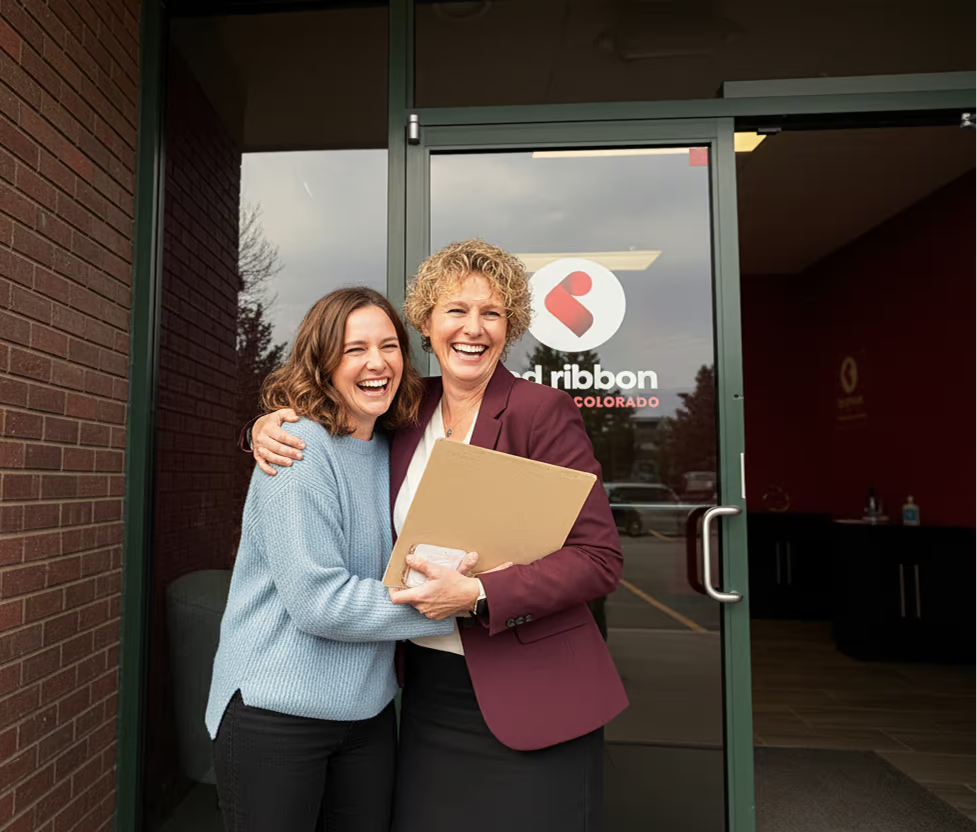
Sex addiction rehabs Colorado residents can trust work to help individuals explore healthier ways of managing sexual behaviors that feel difficult to control. When compulsive sexual behavior affects relationships, emotional well-being, or everyday responsibilities, reaching out for support may feel overwhelming, especially when shame or isolation makes conversations difficult. These experiences deserve understanding, not judgment. Red Ribbon Recovery Colorado provides educational information about sexual addiction treatment, evidence-based therapies, and recovery resources. Understanding the available approaches, including support for co-occurring mental health and substance use concerns, can help individuals make informed decisions about their health and relationships.

Understanding sex addiction treatment and available options
Sex addiction treatment focuses on helping individuals understand recurring sexual behaviors that feel difficult to control and cause significant problems in daily life. The clinical term compulsive sexual behavior disorder (CSBD) describes a persistent pattern of difficulty controlling sexual urges or behaviors despite negative consequences. Understanding addiction treatment programs can offer broader context for recovery approaches, although CSBD is clinically classified as an impulse control disorder rather than a substance use disorder.
Not everyone who experiences frequent sexual urges or distress about sexual activity has CSBD. Assessment considers whether behaviors interfere with relationships, responsibilities, health, or emotional well-being. Sex addiction treatment may involve psychotherapy, coping strategies, peer support, and evaluation of any co-occurring mental health concerns. The goal is healthier behavioral control and well-being, not automatically eliminating all sexual activity.
When exploring treatment options, these practical steps can help you find care that reflects your needs and goals.
- Identify your needs. Take a moment to write down how these behaviors impact your daily life, relationships, and work.
- Find a specialized mental health provider. Look for professionals in Colorado who specifically treat behavioral addictions and hypersexuality.
- Consider co-occurring conditions. If sexual behaviors occur alongside depression, anxiety, or drug or alcohol use, explore how dual diagnosis treatment centers Colorado may help explain integrated approaches to recovery.
- Prepare for your first visit. Write down a brief history of your symptoms and any questions you have about the treatment process.
A systematic review of treatment for compulsive sexual behavior disorder found encouraging evidence for cognitive behavioral approaches, although further research is needed to understand long-term outcomes. A qualified mental health professional can help distinguish compulsive behaviors from other concerns and develop treatment goals that respect a person’s circumstances, relationships, and values.
Treatment goals for sex addiction recovery
Sex addiction treatment generally focuses on improving behavioral control, reducing distress, and supporting healthier relationships. Rather than treating sexual desire itself as a problem, therapy may help individuals identify behaviors that interfere with their health, responsibilities, or personal values.
Recovery goals vary according to individual circumstances. For some adults, treatment focuses on managing compulsive behaviors or cravings. Others may need support rebuilding self-worth, improving communication, or addressing anxiety, depression, and other underlying emotional challenges.
Healing, trauma, and intimate relationships
Some individuals experiencing compulsive sexual behavior also have histories of trauma, relationship difficulties, or emotional distress. Trauma-informed therapy can provide a supportive environment for exploring these experiences without assuming that trauma is the cause of every person’s symptoms.
Healing may also involve establishing healthier boundaries, strengthening emotional intimacy, and repairing trust with a partner or loved one. Family counseling or relationship-focused therapy may be helpful when appropriate, while respecting the privacy, autonomy, and unique needs of everyone involved.

You can overcome addiction. Reach out to discover:
Recognizing when compulsive sexual behavior becomes harmful
Compulsive sexual behavior can affect emotional well-being, intimate relationships, and everyday responsibilities when sexual urges or activities become difficult to control. Some individuals continue engaging in behaviors despite negative consequences, including relationship conflict, financial strain, or potential sexual health risks. However, having a high sex drive or experiencing distress about consensual sexual activity does not automatically indicate a disorder.
Understanding impulse control and emotional triggers
Compulsive sexual behavior disorder is classified as an impulse control disorder in the ICD-11. Individuals may repeatedly attempt to reduce certain behaviors without success or find that sexual activities interfere with work, relationships, and personal responsibilities. Anxiety, depression, and substance use may also occur alongside these difficulties, making a comprehensive mental health assessment important.
Sexual behavior can become associated with temporary emotional relief, particularly during periods of stress or isolation. Understanding these patterns can help individuals identify triggers and develop healthier coping strategies without assuming that every behavior stems from trauma or unmet emotional needs.
How compulsive sexual behavior can affect relationships and personal health
When sexual behavior becomes difficult to manage, individuals and families may experience secrecy, communication difficulties, emotional distress, or disruptions in trust. Some behaviors may also increase the risk of sexually transmitted infections or other health concerns.
Trauma-informed care, individual psychotherapy, and relationship-focused counseling may help people explore these challenges while respecting personal boundaries and emotional safety. Partners may also benefit from independent support when trust in the relationship has been affected. The goal is not to assign blame, but to encourage healthier decisions, stronger communication, and recovery that reflects each person’s needs.
OUR PROCESS
1
Get in touch
with us2
Do a free
assessment3
Review your
insurance4
Start your
addiction treatment
Specialized care options and support groups for sex addiction treatment
Sex addiction treatment may involve individual therapy, group therapy, outpatient treatment, or more intensive mental health care when clinically appropriate. The right approach depends on symptom severity, safety concerns, co-occurring conditions, personal responsibilities, and the individual’s treatment goals.
Not everyone needs residential care. A qualified professional can help determine whether regular psychotherapy, structured outpatient support, or a more closely monitored setting is appropriate.
| Treatment option | How it may help | Important considerations |
|---|---|---|
| Individual psychotherapy | Addresses compulsive behaviors, emotional regulation, and personal triggers | A clinician with relevant CSBD experience is important |
| Group therapy | Offers peer connection, shared learning, and accountability | Confidentiality and group suitability matter |
| Intensive outpatient treatment | Provides structured therapy without an overnight stay | Availability and suitability vary by provider |
| Residential treatment | Provides a more structured setting when clinically indicated | Not routinely necessary or proven superior for CSBD |
| Peer support groups | Encourage connection and ongoing recovery support | Complement rather than replace clinical treatment |
Choosing a supportive treatment setting
For someone balancing work, school, or family responsibilities, outpatient treatment may provide access to psychotherapy while allowing them to remain at home. More structured programs may be considered when symptoms, safety concerns, or co-occurring mental health conditions require additional support.
Peer support groups can reduce isolation and create opportunities to connect with others facing similar challenges. Some people find 12-step approaches helpful, although these groups do not replace professional assessment or evidence-based mental health care.
When comparing sex addiction rehabs Colorado residents may encounter, look beyond the program name. Clinician qualifications, therapeutic approaches, confidentiality, insurance coverage, and experience treating compulsive sexual behavior are more meaningful considerations than promises of a particular recovery outcome.
Free Insurance Check
Our rehab center accepts most insurance plans.
Check if your insurance will cover the cost of treatment by filling out our confidential insurance form. We accept most insurance plans.

Evidence-based therapies for compulsive sexual behavior
Psychotherapy is a central component of treatment for compulsive sexual behavior. Cognitive behavioral therapy may help individuals identify triggering situations, challenge unhelpful thinking patterns, and develop strategies to respond to urges without repeating harmful behaviors.
Other approaches may include DBT therapy to support emotional regulation, distress tolerance, and interpersonal skills. Trauma therapy may be appropriate when unresolved traumatic experiences contribute to current distress, while group therapy can provide additional social support.
Can medication help with compulsive sexual behavior?
There is no medication specifically approved for compulsive sexual behavior disorder. However, clinicians may consider certain medications in selected situations, especially when co-occurring depression, anxiety, or other psychiatric conditions require treatment.
Research has explored selective serotonin reuptake inhibitors and naltrexone, although evidence remains limited. Medication decisions should reflect an individualized assessment of potential benefits, risks, co-occurring conditions, and overall health. Clinical guidance on CSBD treatment emphasizes psychotherapy and psychoeducation as important components of care.
Sex addiction and co-occurring mental health conditions
Compulsive sexual behavior may occur alongside depression, anxiety, trauma-related symptoms, impulse control difficulties, or substance use disorders. Some individuals notice that sexual urges become harder to manage during periods of emotional distress or drug or alcohol use. However, the relationship between these conditions varies, and one should not automatically be assumed to cause another.
When mental health symptoms and substance use occur together, integrated care may help address both concerns. A comprehensive assessment can explore whether compulsive sexual behaviors are related to an underlying psychiatric condition, substance use, medication effects, or a separate pattern requiring attention.
Why integrated treatment matters
Focusing only on sexual behavior may leave significant emotional or substance-related concerns unresolved. Coordinated treatment can bring together psychotherapy, substance use counseling, appropriate medication management, and healthy coping strategies when needed.
For individuals experiencing multiple challenges, the recovery journey may involve learning to recognize triggers, manage cravings, rebuild supportive relationships, and develop healthier responses to distress. For individuals experiencing multiple challenges, recovery may involve recognizing triggers, managing cravings, rebuilding supportive relationships, and developing healthier responses to distress. Treatment goals should reflect each person’s circumstances, emotional needs, and long-term well-being.
WE ARE AVAILABLE 24/7
Request a call for answers and help.
If you or someone you care about is struggling with addiction or mental health problems, request a call to speak with a knowledgeable treatment specialist. Our team is here to help you understand your options for care. There is no cost or obligation to enter treatment by requesting a call.
"*" indicates required fields
How to choose sex addiction treatment in Colorado
Finding appropriate mental health care begins with understanding a provider’s qualifications and experience. Adults seeking support for compulsive sexual behavior may benefit from working with a therapist familiar with sexual health, impulse control difficulties, trauma-informed care, and co-occurring mental health conditions.
Some professionals hold specialized credentials, such as Certified Sex Addiction Therapist (CSAT), although licensure, clinical experience, evidence-based methods, and a nonjudgmental approach are equally important considerations. Before beginning treatment, ask how progress is evaluated, whether the approach can be tailored to your needs, and how additional concerns such as anxiety, depression, or substance use are addressed.
Insurance coverage and ongoing recovery support
Insurance coverage varies by plan, provider, diagnosis, and treatment setting. A behavioral health service may be covered under an eligible mental health diagnosis even when a particular program markets itself as sex addiction treatment. Checking in-network status and asking about out-of-pocket costs can help avoid unexpected expenses.
Ongoing support may include continued psychotherapy, relationship counseling, peer connection, and strategies for managing emotional triggers. Recovery can involve behavioral changes, improved communication, and stronger relationships rather than a single endpoint or guaranteed outcome.
There is no universally accepted success rate for sex addiction rehabilitation. Instead, progress may be evaluated by changes in compulsive behaviors, emotional well-being, relationship functioning, and the ability to maintain personally meaningful recovery goals over time.
Rehab might feel like a big step, but remember why you're here—you’re looking for a way forward. We can help.
Understanding sex addiction treatment with Red Ribbon Recovery Colorado
Sex addiction treatment can help individuals better understand compulsive sexual behaviors, explore healthier coping strategies, and work toward improved emotional well-being. Whether someone is experiencing relationship difficulties, anxiety, depression, or co-occurring substance use concerns, appropriate care should reflect their individual needs without judgment or shame.
Red Ribbon Recovery Colorado provides educational information about addiction, mental health, treatment approaches, and recovery resources. Understanding available options can help individuals and families take informed steps toward support. To ask questions or learn more about recovery resources, contact us by calling (303) 219-3980.
We are here to help you or a loved one find addiction treatment near you.
Admitting you have a substance abuse problem and asking for help is not always easy. If you or a loved one are struggling with drug addiction, alcohol addiction or another substance use disorder, help is available. You can visit SAMHSA’s National Helpline to learn about resources in your area or reach out to our team by calling (303) 219-3980 to explore personalized treatment.
Key Takeaways
- Sex addiction involves compulsive sexual thoughts or behaviors that are difficult to control and persist despite negative consequences on relationships, work, and emotional well-being.
- Treatment focuses on uncovering the root causes of the behavior, such as stress or shame, and provides practical tools to manage urges and develop healthier coping mechanisms.
- For those seeking help in Colorado, specialized centers like Red Ribbon Recovery offer evidence-based care and can help map out a concrete plan for entering a treatment program.
Frequently asked questions
What should you look for in sex addiction rehab in Colorado?
When comparing sex addiction rehab Colorado options, look for qualified mental health professionals experienced in treating compulsive sexual behavior. Effective programs may include individual psychotherapy, group support, and personalized care that addresses emotional distress, relationship challenges, and co-occurring conditions. An outpatient setting may suit some patients, while a residential facility or inpatient treatment may be considered when more intensive mental health care is necessary. The appropriate level of care depends on individual needs rather than a universal treatment model.
Is sexual addiction connected to childhood trauma or emotional pain?
Some individuals experiencing sexual addiction report childhood trauma, emotional pain, or difficulties with intimacy. However, not everyone with compulsive sexual behavior has experienced abuse, and trauma is not an established cause in every case. Although research has identified associations between childhood adversity and compulsive sexual behavior in some populations, these findings do not mean that trauma is present in every case. Trauma-informed therapy can help clients explore underlying causes without reinforcing stigma or assuming their experiences fit a particular pattern.
What therapies are commonly used in sexual addiction treatment?
Sexual addiction treatment often involves cognitive behavioral therapy, emotional regulation strategies, and approaches such as dialectical behavior therapy. These methods may help individuals recognize triggers, manage distress, and develop healthier responses to compulsive urges. Group support, including 12-step approaches such as Sex Addicts Anonymous, may provide community and accountability. While sexual activity activates the brain’s reward pathways, dopamine release alone does not establish a hypersexual disorder or indicate addiction.
How does substance use affect compulsive sexual behavior?
Substance use may complicate compulsive sexual behavior, particularly when alcohol or drugs affect judgment, emotional regulation, or decision-making. Some individuals with both concerns struggle to manage certain behaviors despite negative consequences. A comprehensive assessment can help distinguish substance-related symptoms from a separate compulsive sexual behavior disorder. When conditions co-occur, integrated treatment can address both concerns while supporting healthier coping strategies and relationships.
What helps people overcome sex addiction and maintain long-term recovery?
Long-term recovery often involves ongoing psychotherapy, supportive relationships, and strategies for managing emotional triggers. Making recovery sustainable means setting realistic goals, reviewing progress, and adapting treatment as circumstances change. Clinicians may use patient self-reporting alongside assessments of emotional well-being, behavior, and relationship functioning. Although continuity of care can support progress, there is no universally accepted recovery success rate, and residential treatment has not been established as consistently more effective than outpatient care for compulsive sexual behavior.
Treatment center reviews
Sources
- National Institute on Drug Abuse. (June 1, 2014). Substance Abuse Intensive Outpatient Programs: Assessing the Evidence. National Institutes of Health.
- Substance Abuse and Mental Health Services Administration. (June 9, 2023). National Helpline for Mental Health, Drug, Alcohol Issues. SAMHSA.
- Centers for Medicare & Medicaid Services. (February 7, 2025). Prepare for a Behavioral Health Appointment. CMS.
About the content

Written by: Carli Simmonds. Carli Simmonds holds a Master of Arts in Community Health Psychology from Northeastern University. From a young age, she witnessed the challenges her community faced with substance abuse, addiction, and mental health challenges, inspiring her dedication to the field.

Medically reviewed by: Jodi Tarantino, MSW, LICSW. Jodi Tarantino is an experienced, licensed Independent Clinical Social Worker (LICSW) and Program Director with over 20 years of experience in Behavioral Healthcare. Also reviewed by the RRR Editorial team.
Red Ribbon Recovery is committed to delivering transparent, up-to-date, and medically accurate information. All content is carefully written and reviewed by experienced professionals to ensure clarity and reliability. During the editorial and medical review process, our team fact-checks information using reputable sources. Our goal is to create content that is informative, easy to understand and helpful to our visitors.