If you’re exploring paths to recovery from a substance use disorder, you’ve likely come across the term medication assisted treatment, or MAT. It’s a term that can bring up a lot of questions, and maybe even some uncertainty. We want you to know that’s completely normal. Taking the first step to understand your options in a MAT program is a sign of incredible strength. MAT is more than just medication; it’s a comprehensive, evidence-based approach that gives you a steady foundation to build a lasting recovery. It’s about using every tool available to help you heal, find stability, and reclaim your life from addiction.
What are the components of MAT treatment for opioid use disorder?
It’s a common misunderstanding that medication assisted treatment is just about prescribing medication. In reality, MAT is a “whole-patient” approach that recognizes that true healing involves more than just managing physical symptoms. It’s designed to support you mentally, emotionally, and physically on your journey. The treatment is built on three core components that work together to create a strong framework for recovery.
These include FDA-approved medications used in a MAT program to manage withdrawal and cravings, counseling and behavioral therapies to address the root causes of addiction, and robust patient support systems. Here at Red Ribbon Recovery Colorado, we integrate MAT with dual diagnosis treatment to ensure we’re also caring for any co-occurring mental health conditions, like anxiety or depression. Every plan is tailored specifically to you, because your path to recovery is unique.

You can overcome addiction. Reach out to discover:
What are the medications used in MAT?
The medications used in a MAT program are approved by the FDA and have been proven safe and effective for treating substance use disorders. They work by normalizing brain chemistry, blocking the euphoric effects of alcohol and opioids, relieving cravings, and normalizing body functions without the negative effects of the abused substance.
Different medications work in different ways, which allows our clinical team to create a personalized treatment plan that fits your specific needs. Whether you’re dealing with an opioid use disorder or an alcohol use disorder, there are specific medications designed to help you manage your recovery safely and effectively.
Medications used in opioid treatment programs
For those facing an opioid use disorder (OUD), certain medications can be a lifeline, helping to manage the intense physical challenges of recovery. These medications are designed to reduce cravings and ease withdrawal symptoms, giving you the stability needed to fully engage in therapy. The primary medications used for OUD in Medication Assisted therapy include:
- Buprenorphine. Often known by the brand name Suboxone, buprenorphine is a partial opioid agonist. This means it produces a weaker euphoric effect than full agonists like heroin or methadone, which helps to reduce cravings and withdrawal symptoms without providing a “high.”
- Naltrexone. Known as Vivitrol, naltrexone is an opioid antagonist. It works by blocking the euphoric and sedative effects of opioids. It is not addictive and does not produce physical dependence. naltrexone is best for individuals who have already completed detox.
- Methadone. A full opioid agonist, methadone helps to reduce opioid cravings and withdrawal. It is dispensed through highly structured, federally regulated clinics. While we don’t dispense methadone at Red Ribbon Recovery, we can provide referrals to trusted clinics that do.
Medications used for alcohol addiction
Medication-assisted treatment is also a highly effective approach for those with an alcohol use disorder (AUD). Similar to its use in OUD, MAT therapy for alcohol use helps to reduce cravings and manage the difficult symptoms that can arise during early recovery. Medications such as naltrexone can reduce the rewarding effects of alcohol, making it easier to abstain. Other medications like acamprosate and disulfiram can also be used to support recovery from AUD. These medications are part of a comprehensive treatment plan that can be delivered through our outpatient programs, providing flexibility and support as you navigate your recovery journey.
What Are The Benefits Of MAT?
A MAT program can make a real difference in people’s lives. This evidence-based approach provides a stable platform from which you can build a sustainable recovery. One of the most significant advantages to a MAT program is its ability to keep people engaged in their treatment, which is crucial for long-term success. By stabilizing your body and mind, a MAT program allows you to focus on the deeper work of healing. Many people beginning recovery often ask, “what is MAT?” and how it functions as a long-term solution. According to research, MAT has been shown to reduce the risk of death from opioid overdose by as much as 59 percent. Ultimately, understanding what is MAT helps patients and families recognize it as a life-saving clinical tool rather than just a temporary fix. Some of the key benefits include:
- Increases treatment retention
- Decreases illicit opioid use and criminal activity
- Improves patient survival and overall health outcomes
- Allows you to focus on rebuilding your life and relationships
Knowing that treatment is effective and accessible can make all the difference. You can verify your insurance to see how affordable your path to recovery can be.
Free Insurance Check
Our rehab center accepts most insurance plans.
Check if your insurance will cover the cost of treatment by filling out our confidential insurance form. We accept most insurance plans.

How medication assisted treatment supports long-term recovery
Medication assisted treatment (MAT) is widely recognized by health and human services and addiction medicine experts as one of the most effective treatments for opioid use disorder. If you are searching for medication assisted treatment near me, it is important to understand that this therapy is designed to treat OUD as a chronic medical condition, much like diabetes or heart disease, rather than a moral failure. By combining FDA approved medications with behavioral therapy and ongoing support, a MAT program addresses both the physical dependence and the behavioral patterns that sustain addiction, making it easier to find reliable medication assisted treatment near me that offers long-term stability.
MAT and opioid use disorder: why this approach works
Opioid use disorder (OUD) changes brain chemistry over time, making withdrawal symptoms and cravings incredibly difficult to manage without medical support. Medically assisted treatment works by stabilizing those brain systems so patients can engage in treatment without being overwhelmed by physical distress. By utilizing medically assisted treatment, individuals can manage withdrawal symptoms and cravings more effectively, allowing them to focus fully on their long-term recovery goals. Research from disease control and addiction medicine studies shows that people receiving medication-assisted treatment have significantly lower rates of opioid overdose, reduced criminal activity, and better long-term recovery outcomes compared to those who receive therapy alone. This comparative effectiveness is why MAT therapy is now a cornerstone of opioid treatment programs nationwide.
Addressing barriers to treatment access
Despite its proven efficacy, significant barriers still prevent people from accessing medication assisted treatment. These can include stigma, lack of MAT providers, misinformation about taking medication, and limited access in certain communities. Mental health services administration and public health efforts continue to focus on expanding access, training providers to prescribe buprenorphine, and integrating MAT therapy into more primary care and outpatient settings. Removing these barriers is critical to reducing opioid misuse, overdose risk, and mortality.
MAT, behavioral therapy, and whole-person care
Medication assisted treatment is most effective when delivered in conjunction with counseling and behavioral therapy. Therapy helps patients address substance abuse patterns, mental health conditions, trauma, and behavioral triggers that contribute to opioid use. Many individuals entering MAT also face co-occurring health concerns such as hepatitis C or other complications related to opioid use. A comprehensive MAT program supports both physical health and emotional recovery, improving outcomes and helping patients stay engaged in treatment.
A Proven, life-saving approach
For many people, medication assisted treatment is not a temporary solution but a vital part of long-term recovery. By reducing withdrawal, stabilizing brain function, and supporting behavioral change, MAT gives individuals the opportunity to rebuild their lives with dignity, safety, and support.
Rehab might feel like a big step, but remember why you're here—you’re looking for a way forward. We can help.
Medication-assisted treatment FAQs
What medications are used in MAT for opioid use disorder?
There are three FDA approved medications used in MAT for opioid use disorder: methadone, buprenorphine, and naltrexone. These medications work differently but are all proven to reduce opioid use, prevent overdose, and support recovery when taken as prescribed and combined with counseling.
What is the difference between methadone, buprenorphine, and naltrexone?
Methadone and buprenorphine reduce withdrawal symptoms and cravings by acting on opioid receptors, while naltrexone blocks the effects of opioids entirely. Buprenorphine is often prescribed as Suboxone and may be offered in primary care settings, while methadone is typically administered through opioid treatment programs. Extended release injectable suspension naltrexone is used after detoxification.
Can MAT reduce the risk of opioid overdose and death?
MAT significantly reduces the risk of opioid overdose and mortality. Research shows that medications like methadone and buprenorphine lower overdose deaths and protect patients during periods of high risk, such as early recovery or after relapse.
Is counseling required with medication assisted treatment?
Yes, MAT is most effective when used in conjunction with counseling and behavioral therapy. Therapy helps patients address psychological factors, develop coping skills, and build recovery support alongside medication. This combined approach improves long-term outcomes.
Begin your path to medication assisted treatment
Beginning your path to recovery is a courageous step, and you don’t have to walk it alone. MAT is a proven, life-saving treatment that offers a stable foundation for building a future free from addiction. At Red Ribbon Recovery Colorado, we provide compassionate, expert outpatient and telehealth services available to individuals in Colorado and nationwide. We understand that your privacy is paramount. All personally identifiable health information related to your treatment is handled with the highest degree of confidentiality. Your recovery journey is safe with us.
Taking that first step can feel overwhelming, but we are here to make it as simple and supportive as possible. You have the strength to heal, and we have the tools to help. To start your confidential, virtual assessment, please call us today at (303) 219-3980. Let us at Red Ribbon Recovery Colorado help you find the right path forward. If you have any questions or need to get in touch, please don’t hesitate to contact us. A brighter future is within reach.
We are here to help you or a loved one find addiction treatment near you.
Admitting you have a substance abuse problem and asking for help is not always easy. If you or a loved one are struggling with drug addiction, alcohol addiction or another substance use disorder, help is available. Call SAMHSA’s National Helpline at (303) 219-3980 to learn about resources in your area or reach out to our team for personalized treatment.
Treatment Center Reviews
Bridget LaRocco
I have been to this facility twice now, for Laser Hair removal and Botox. I saw Kim 2 times now for laser and she has been great, she made me feel really comfortable and…
Bridget LaRocco
I have been to this facility twice now, for Laser Hair removal and Botox. I saw Kim 2 times now for laser and she has been great, she made me feel really comfortable and…
Bridget LaRocco
I have been to this facility twice now, for Laser Hair removal and Botox. I saw Kim 2 times now for laser and she has been great, she made me feel really comfortable and…
Sources
- Illinois Department of Public Health. (January 28, 2022). Medication-Assisted Treatment FAQ. Illinois Department of Public Health.
- National Institutes of Health. (June 19, 2018). Methadone and buprenorphine reduce risk of death after opioid overdose. National Institutes of Health.
- Centers for Disease Control and Prevention. (January 31, 2025). Hepatitis C Prevention and Control. Centers for Disease Control and Prevention.
- Substance Abuse and Mental Health Services Administration. (September 24, 2025). Home | SAMHSA – Substance Abuse and Mental Health Services Administration. SAMHSA.
- National Academy of Medicine. (April 27, 2020). Improving Access to Evidence-Based Medical Treatment for Opioid Use Disorder. National Academy of Medicine.
- Centers for Disease Control and Prevention. Medication-Assisted Treatment for Opioid Use Disorder. Centers for Disease Control and Prevention.
About the content
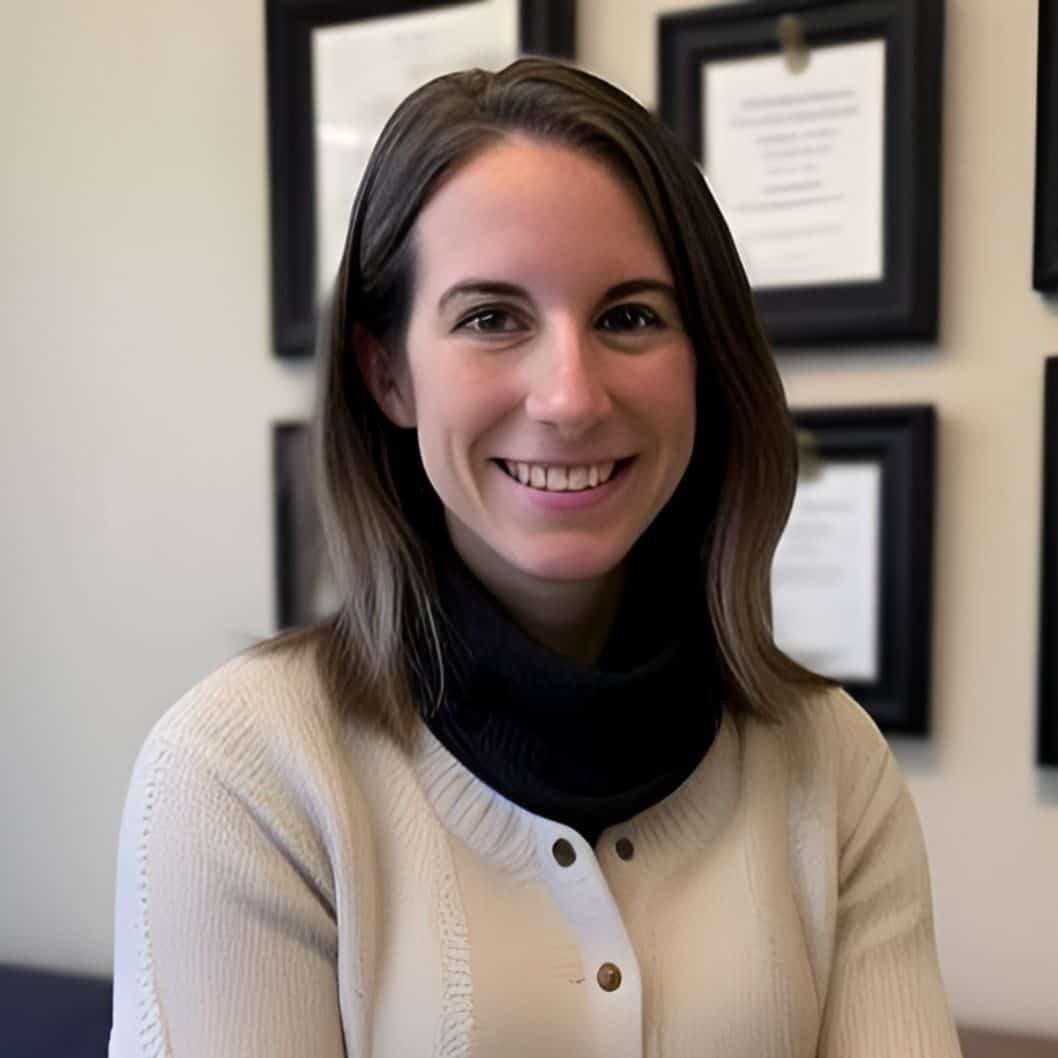
Written by: Carli Simmonds. Carli Simmonds holds a Master of Arts in Community Health Psychology from Northeastern University. From a young age, she witnessed the challenges her community faced with substance abuse, addiction, and mental health challenges, inspiring her dedication to the field.

Medical reviewed by: Jodi Tarantino, LICSW. Jodi Tarantino is an experienced, licensed Independent Clinical Social Worker (LICSW) and Program Director with over 20 years of experience in Behavioral Healthcare. Also reviewed by the RRR Editorial team.
Red Ribbon Recovery is committed to delivering transparent, up-to-date, and medically accurate information. All content is carefully written and reviewed by experienced professionals to ensure clarity and reliability. During the editorial and medical review process, our team fact-checks information using reputable sources. Our goal is to create content that is informative, easy to understand and helpful to our visitors.