At Red Ribbon Recovery Colorado, our intensive outpatient program Colorado offers a flexible yet structured path to healing for those ready to take the next step in their recovery journey. Designed for individuals who require comprehensive support without the need for 24/7 inpatient care, our IOP combines evidence-based therapies, group sessions, and personalized care plans to help you develop lasting skills for sobriety while maintaining your daily responsibilities.
What is an IOP Program Colorado?
An iop program Colorado is a form of intensive treatment designed for individuals who need a high level of support but do not require 24/7 residential care. In an IOP, clients attend scheduled therapy sessions, often several days a week, while still living at home and maintaining their work, school, or family responsibilities.
This level of care blends the structure and accountability of a more immersive program with the flexibility of outpatient services. Through individual therapy, group sessions, and specialized interventions, an IOP provides the tools, guidance, and community needed to continue progress in recovery while managing everyday life.
Who benefits from an IOP?
Determining whether an intensive outpatient program Colorado is the right level of care depends on your unique symptoms, history, and recovery goals. A Colorado intensive outpatient program (IOP) is particularly effective for those who have a stable living environment but require more oversight than standard outpatient services to prevent relapse. This level of care works well for those managing mild to moderate addiction challenges and co‑occurring mental health disorders while maintaining daily responsibilities like work, school, or family life.
You may benefit from an IOP if you:
- Have recently completed a residential treatment program and are ready for a step‑down level of care.
- Do not require inpatient detox but still need intensive treatment and structured support.
- Are coping with symptoms of mental health disorders that are stable enough for outpatient care.
- Need a treatment program that accommodates your personal, professional, or academic obligations.
- Live in a safe and stable environment that does not trigger substance use.
- Are motivated to make lasting changes and build a strong foundation for recovery.
- Would appreciate flexibility, including options for virtual participation.
If you are just beginning your recovery journey, experiencing severe symptoms, or have untreated mental health conditions, your provider may recommend a different treatment program to ensure you receive the right level of care for your needs.

You can overcome addiction. Reach out to discover:
Your journey through IOP addiction treatment
An intensive outpatient program Colorado typically lasts up to 12 weeks, with about three sessions each week. Each session, usually three hours long, blends group therapy with individual counseling to help you stay on track in recovery and maintain focus on your goals.
Compared to day treatment or a partial hospitalization program (PHP), an IOP offers more flexibility while still providing a high level of support. Sessions can often be scheduled in the morning or evening so you can continue managing work, school, family, and other daily life commitments without putting your recovery on hold.
For even greater accessibility, many treatment centers now offer a virtual intensive outpatient program. This option allows you to attend some or all sessions from home, making it easier to stay consistent if transportation is difficult or you live far from the facility. With these options, an IOP provides the structure you need while fitting into the rhythm of your life.
Types of care in an IOP
Our IOP Colorado provides a range of outpatient therapies designed to offer personalized care tailored to your individual needs. By combining group support with individual counseling, we ensure that every participant receives the specific tools necessary for a successful recovery.
- Group therapy allows you to discuss your experiences with others and hear their stories. Not only does group treatment help educate everyone in the program about new ways of thinking and acting, but it also ensures you don’t feel alone in your growth process. Overcoming substance use challenges is not something you can do alone, and group counseling helps you get support and accountability from others in a similar situation.
- Individual therapy provides you with one-on-one therapeutic support tailored to your specific needs. This might include addressing mental health concerns, such as depression, working through traumatic experiences, and exploring the root causes of substance abuse in your own life.
- Family counseling is a vital component of the program, recognizing that addiction impacts not just the individual but the entire family unit. Through guided sessions, loved ones can begin to heal from the effects of addiction, rebuild trust, and strengthen communication. This process helps restore meaningful relationships and creates a supportive network that plays an essential role in sustaining long‑term sobriety.
- Medication‑assisted treatment may be included in your program if you’re working to overcome opioid or alcohol misuse. In some cases, medications are also prescribed to help manage mental health conditions that occur alongside addiction. Throughout your intensive outpatient program, experienced professionals will closely monitor any medications, adjust them as needed, and ensure they’re effectively supporting your recovery and overall well‑being.
Evidence-based treatment approaches
Throughout your intensive outpatient program Colorado experience, services like case management ensure that all aspects of your care are coordinated—helping you access resources, stay on track with goals, and ultimately learn how to live life with confidence, stability, and hope.
One of the most trusted methods is cognitive behavioral therapy (CBT). CBT teaches you to examine your thoughts, challenge those that are inaccurate or harmful, and replace them with healthier patterns. Within addiction treatment, CBT can boost motivation to change, help you manage triggers, and support relapse prevention strategies that make long‑term recovery possible.
Equally important is trauma‑informed care, which recognizes that many individuals struggling with addiction have also experienced trauma. For example, veterans and others may carry the weight of post traumatic stress disorder (PTSD) or difficult life events that contribute to substance use and other mental health issues. Trauma‑informed care creates a safe environment for healing, building healthy coping mechanisms, and strengthening emotional resilience.
Throughout your intensive outpatient experience, services like case management ensure that all aspects of your care are coordinated helping you access resources, stay on track with goals, and ultimately learn how to live life with confidence, stability, and hope.
Holistic treatment options
Therapists at Red Ribbon Recovery Colorado may incorporate art or music therapy to give clients new ways to express emotions within our intensive outpatient program Colorado, while yoga and mindfulness practices reduce stress and build self-care routines.
Our IOP program also includes life skills classes covering nutrition, healthy habits, communication, and practical tools that benefit both patients and their family members. Even in an IOP setting, therapeutic activities are woven into treatment to help you manage stress, build resilience, and move toward a healthier, more balanced life.
Aftercare services
Even after you complete your intensive outpatient program Colorado, we offer aftercare services to support your everyday life needs, helping you connect with alumni groups and access community resources for safe housing or sober living options. That’s why we offer aftercare services to support your everyday life needs as you transition forward. Depending on your situation, we can help you connect with alumni groups, access community resources for safe housing, sober living options, or childcare, and reinforce relapse prevention strategies. For those seeking employment, aftercare may include job training, resume building, and interview preparation, helping you step confidently into a healthier, more stable future.
Addressing co-occurring mental health diagnoses in IOP
Our intensive outpatient program Colorado is equipped to treat a dual diagnosis, addressing both mental health and addiction simultaneously. This often includes psychological counseling, psychiatric medication management, and therapeutic strategies that build coping skills and self‑awareness.
If a person’s symptoms, such as severe depression or untreated substance use, require more support, our team of medical professionals may recommend comprehensive care, such as a residential program, prior to starting an IOP.
At Red Ribbon Recovery Colorado, our focus is on matching each person with the right level of care. We offer multiple pathways so patients can access the treatment that best fits their needs and receive the guidance, tools, and ongoing support to build a healthier future.
Insurance and payment options for an intensive outpatient program Colorado
At Red Ribbon Recovery Colorado, our team can quickly verify your insurance coverage to determine your eligibility for our IOP Colorado. We are dedicated to making the admissions process as seamless and stress-free as possible, so you can focus entirely on your healing.
To make the most of your benefits, be sure the program you choose is within your insurance plan’s network. You can confirm this by contacting your insurer or reaching out directly to the treatment center.
At Red Ribbon Recovery Colorado, our team can quickly verify your insurance coverage and answer any questions about our programs. We’re here to help you access the right care, and we can work with you on payment arrangements to make treatment as seamless and stress‑free as possible.
Rehab might feel like a big step, but remember why you're here—you’re looking for a way forward. We can help.
Get started with an intensive outpatient program in Colorado
Recovery from alcohol or drug use is a lifelong journey with many steps. An IOP may be the right option for you, especially if you’ve just finished an inpatient program. At Red Ribbon Recovery Colorado, we aim to help you find a treatment that suits your specific needs. Whether you’re currently in Fort Collins or Denver or anywhere else in Colorado, we’re here to help.
You deserve to live a life you love, free from substance use. If you’re ready to take the next step in that direction, contact us today.
We are here to help you or a loved one find addiction treatment near you.
Admitting you have a substance abuse problem and asking for help is not always easy. If you or a loved one are struggling with drug addiction, alcohol addiction or another substance use disorder, help is available. Call SAMHSA’s National Helpline at (303) 219-3980 to learn about resources in your area or reach out to our team for personalized treatment.
Treatment Center Reviews
Bridget LaRocco
I have been to this facility twice now, for Laser Hair removal and Botox. I saw Kim 2 times now for laser and she has been great, she made me feel really comfortable and…
Bridget LaRocco
I have been to this facility twice now, for Laser Hair removal and Botox. I saw Kim 2 times now for laser and she has been great, she made me feel really comfortable and…
Bridget LaRocco
I have been to this facility twice now, for Laser Hair removal and Botox. I saw Kim 2 times now for laser and she has been great, she made me feel really comfortable and…
About the content
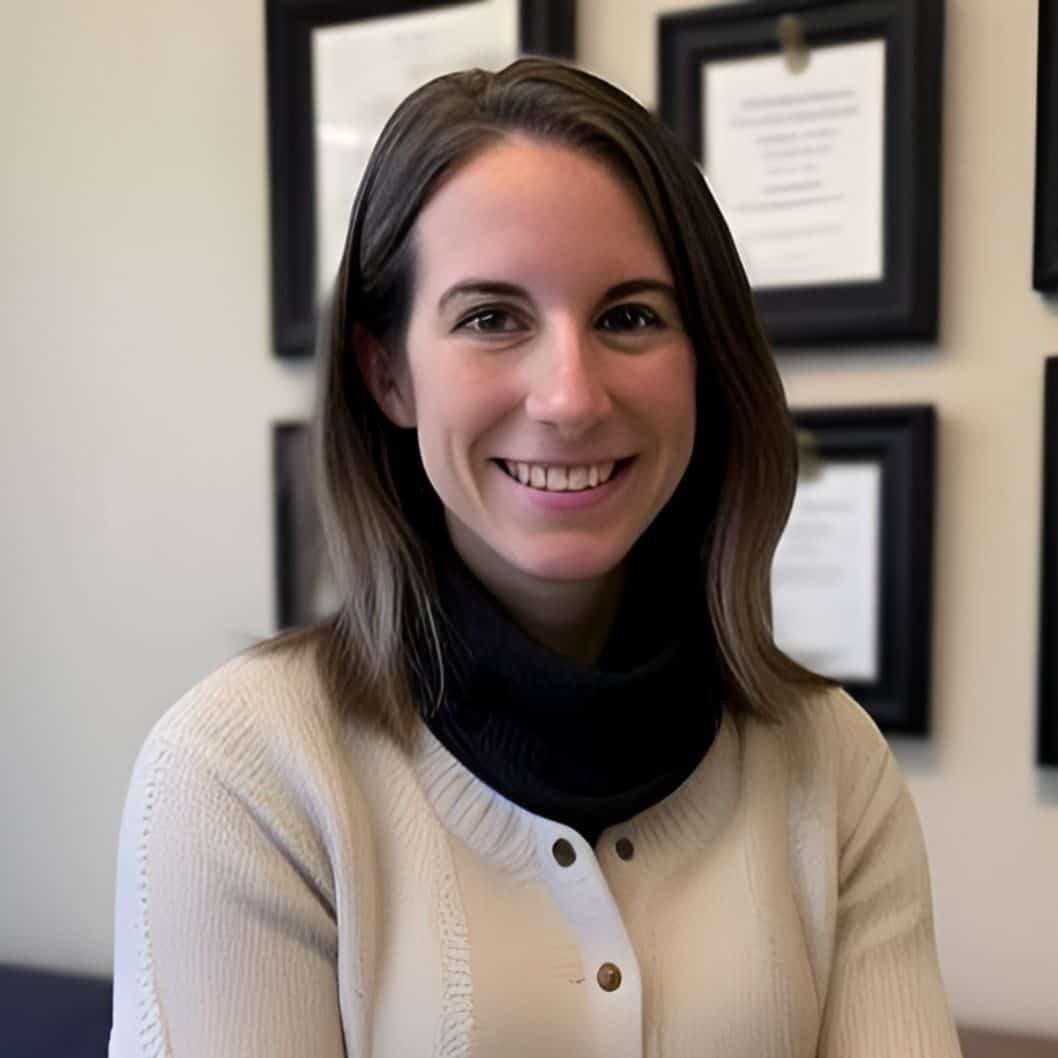
Written by: Carli Simmonds. Carli Simmonds holds a Master of Arts in Community Health Psychology from Northeastern University. From a young age, she witnessed the challenges her community faced with substance abuse, addiction, and mental health challenges, inspiring her dedication to the field.
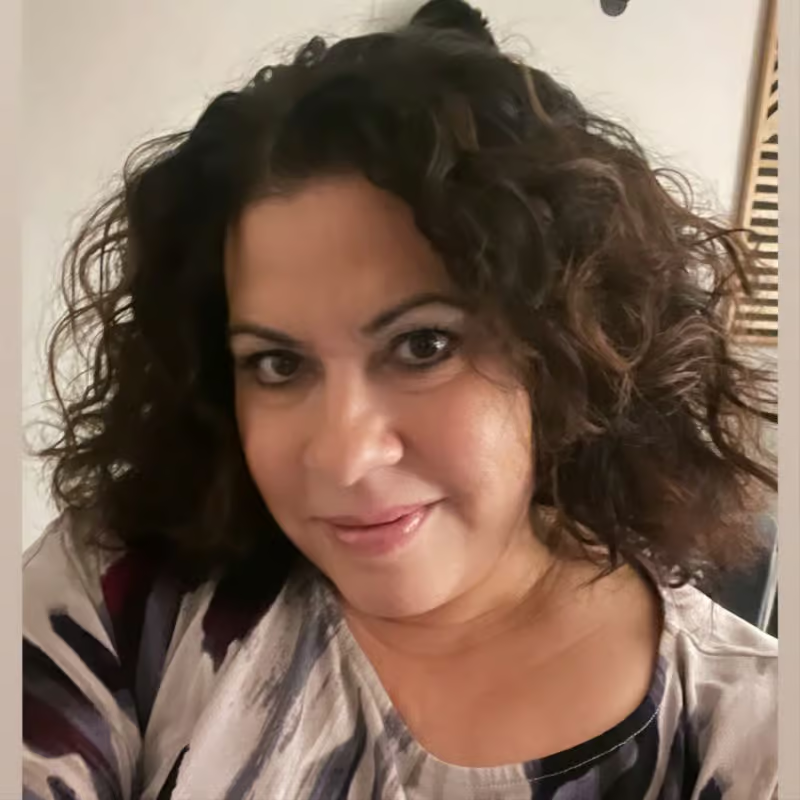
Medical reviewed by: Jodi Tarantino, LICSW. Jodi Tarantino is an experienced, licensed Independent Clinical Social Worker (LICSW) and Program Director with over 20 years of experience in Behavioral Healthcare. Also reviewed by the RRR Editorial team.
Red Ribbon Recovery is committed to delivering transparent, up-to-date, and medically accurate information. All content is carefully written and reviewed by experienced professionals to ensure clarity and reliability. During the editorial and medical review process, our team fact-checks information using reputable sources. Our goal is to create content that is informative, easy to understand and helpful to our visitors.