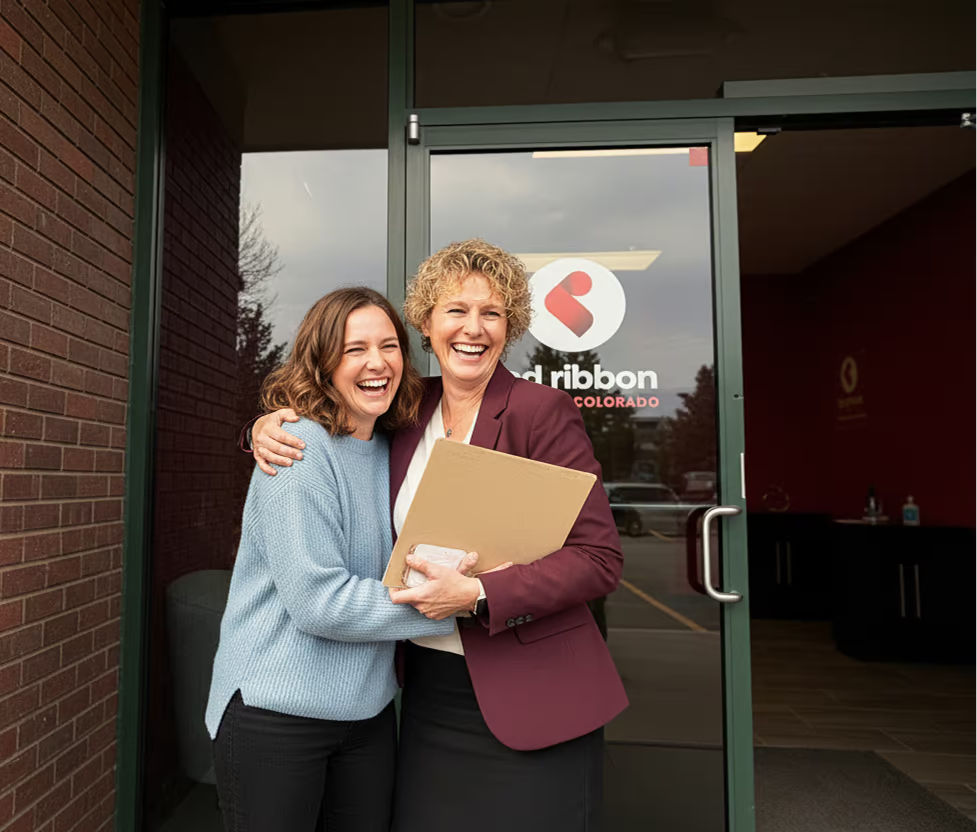
A dual diagnosis, also called a co-occurring disorder, means you are living with both a mental health condition and a substance use disorder at the same time. For example, someone with opioid use disorder and depression or anxiety would be considered dual diagnosis. Effective treatment requires an integrated approach that addresses both conditions together. At Red Ribbon Recovery Colorado, our programs are built on evidence-based methods that support long-term recovery and real, lasting change. Many families seeking help often start their journey by researching dual diagnosis treatment centers Colorado to find a facility that understands the complexity of these overlapping conditions.
The connection between mental health and dual diagnosis treatment colorado
More than 21 million adults in the U.S. are living with both a mental illness and a substance use disorder. Research shows that people with mental health disorders are more likely to develop an addiction, and those with addiction are at higher risk of developing mental health issues. One often feeds the other, and both can be made worse when left untreated. This cycle is why Colorado dual diagnosis treatment centers emphasize simultaneous care, ensuring that mental health support is provided alongside addiction services.
How mental health affects substance use
While this kind of self-medicating may bring short-term relief, it often makes the situation worse over time. Many people find themselves stuck in a cycle of relapse, unable to break free from substance use while their mental health continues to decline. This is why many families trust specialized dual diagnosis treatment centers in Colorado to provide the clinical oversight necessary to break that cycle.
While this kind of self-medicating may bring short-term relief, it often makes the situation worse over time. Symptoms can intensify, new ones may develop, and psychiatric medications may become less effective. Many people find themselves stuck in a cycle of relapse, unable to break free from substance use while their mental health continues to decline.
Mental health conditions can also affect judgment, making it harder to think clearly, weigh risks, or make healthy decisions. This can lead to dangerous behavior and increase the chances of addiction taking hold. That’s why it’s so important to seek professional treatment that addresses both disorders together.
How substance use affects mental health
Regular use of drugs or alcohol can alter brain chemistry in ways that contribute to serious psychological symptoms. For example, when substance use reduces dopamine production, a person may begin to feel emotionally flat or depressed and need increasing amounts just to feel normal.
For those taking psychiatric medication, alcohol or drug use can interfere with how well those medications work. It may also cover up underlying issues, making it harder to understand what’s really going on or to get an accurate diagnosis.
In some cases, alcohol addiction or other forms of substance use disorder can directly cause symptoms like anxiety, paranoia, or personality changes. Long-term use affects how the brain functions and can lead to problems that didn’t exist before the addiction began. Seeking specialized dual diagnosis treatment in Colorado ensures that these neurological and psychological changes are addressed by experts who understand the intersection of addiction and mental health.
Common mental disorders that co-occur with addiction
While any mental illness can occur alongside addiction, certain conditions are seen more frequently in individuals with a dual diagnosis. Some of the most common include:
- Generalized anxiety disorder
- Bipolar disorder
- Borderline personality disorder
- PTSD
- ADHD
- Depression
- Eating disorders
Substances commonly involved in co-occurring disorders include alcohol, tobacco, opioids, stimulants, marijuana, and prescription medications.

You can overcome addiction. Reach out to discover:
Common causes of addiction and mental health
Many individuals who experience addiction are also living with underlying mental health disorders. These conditions often share similar risk factors, and when certain genetic or environmental influences are present, the likelihood of developing both increases.
Some of the most common shared risk factors include:
- Family history. Having a family history of substance use disorder or emotional instability can increase your chances of facing similar challenges. This may stem from inherited traits, learned behaviors, or both.
- Learned coping mechanisms. If you grew up in an environment where self-medicating was normalized or seeking support for mental or emotional struggles was discouraged, those patterns often carry into adulthood.
- Chronic stress. Long-term stress from work, finances, or personal circumstances can make it harder to manage emotions in a healthy way. Without proper support, some turn to substances as a coping mechanism, which may worsen or contribute to mental health symptoms over time.
- Trauma. Experiencing trauma—whether in childhood or adulthood—is strongly linked to both addiction and mental health issues. Post-traumatic stress can often exist alongside a mental health diagnosis, and many individuals use substances to numb emotional pain or avoid difficult memories.
These overlapping factors are why dual diagnosis treatment is so important. Addressing both substance use and mental health disorders together (a dual diagnosis) gives people the best chance at meaningful, lasting recovery. Our mission is to rank among the top dual diagnosis treatment centers Colorado offers by providing specialized care that honors each individual’s unique history.
Dual diagnosis treatment in colorado
At Red Ribbon Recovery Colorado, we have a comprehensive treatment process that can help clients with co-occurring disorders. It starts with assessments and then moves into residential treatment, outpatient programs, and aftercare support, depending on what you need.
Assessments and diagnosis
The first step in dual diagnosis treatment is a comprehensive assessment. This helps us understand what you’re dealing with, including any mental health symptoms and patterns of substance use. From there, we can build a plan that addresses both at the same time. As one of the premier dual diagnosis treatment centers Colorado trusts, our team looks for conditions like bipolar disorder, post-traumatic stress disorder, depression, and other issues that often occur with substance use.
Our team looks for conditions like bipolar disorder, post-traumatic stress disorder, depression, and other issues that often occur with substance use. Based on what we find, we’ll recommend the appropriate treatment, which may include a mental health treatment program, addiction services, or both.
Getting the right mental health treatment early on can make a big difference in how stable and effective the rest of your care is. The goal is to get you the support you actually need—not just for short-term relief, but for long-term progress.
Medical detox treatment
For some individuals, treatment begins with a medically supervised detox. This is often necessary when withdrawal symptoms are expected to be severe or potentially risky. In a detox setting, you’ll receive 24/7 care from medical professionals who monitor your symptoms and help keep you safe and stable.
When someone is living with co-occurring disorders, detox can be more challenging. Symptoms related to both conditions may overlap or intensify during this time. Our team is equipped to manage these situations, providing medication, counseling, and the specialized dual diagnosis treatment Colorado patients need to prepare for the next phase of care.
Residential treatment centers in Colorado
Many people with a dual diagnosis benefit from spending time in a residential setting. When someone is managing a substance use disorder and co-occurring mental health challenges, they often need an integrated treatment plan that ensures both conditions are treated simultaneously. Because the state has a high demand for specialized care, dual diagnosis treatment centers Colorado residents rely on must provide 24/7 support in a clinical environment.
A typical treatment program is built around what’s found in the initial assessment. It’s designed to treat both substance use disorders and the mental health concerns that may be contributing to the problem. Because finding a safe, structured environment is vital, the best dual diagnosis residential treatment centers Colorado has to offer prioritize a balance of clinical therapy and 24/7 medical supervision.
Dual diagnosis treatment often includes individual therapy, group therapy, and family therapy, along with evidence-based approaches like dialectical behavior therapy. These therapies help uncover the root causes of addiction and emotional struggles, rather than just focusing on symptoms.
Many residential programs also include holistic treatments like yoga, mindfulness, outdoor activities, and animal-assisted therapy. These experiences promote holistic healing, reduce stress, and support lasting coping skills. This comprehensive approach is what distinguishes the leading dual diagnosis treatment centers Colorado from standard rehab facilities.
Living in a supportive environment gives people a chance to reset, stabilize, and focus on healing. Recreational outings, peer connection, and structured days also play a role. Whether someone is dealing with substance abuse, alcohol abuse, or broader behavioral health issues, this type of care supports the whole person—not just the diagnosis.
Outpatient treatment for co-occurring conditions
Outpatient care at dual diagnosis treatment centers Colorado provides people different ways to stay engaged in treatment while living at home. For those dealing with co-occurring disorders, programs with more structure tend to be the most helpful.
A partial hospitalization program (PHP) is the most intensive option outside of full-time care. It can feel a lot like inpatient treatment, but you head home in the evenings. Most PHPs run five days a week and are designed to treat both mental health problems and drug addiction at the same time.
An intensive outpatient program (IOP) is more flexible than PHP. It usually includes three sessions a week, each lasting a few hours. This setup lets you keep up with work, school, or other responsibilities while still getting consistent support. Family involvement is encouraged during this time, since repairing relationships and building trust can help keep things steady outside of treatment.
Outpatient dual diagnosis treatment centers Colorado use proven behavioral therapies to treat co-occurring disorders. These therapies help you learn how to manage emotions, reduce stress, and deal with cravings in real time..
You’ll also work on everyday life skills, things like communication, budgeting, and creating routines that help you feel more in control. This part of the recovery process matters just as much as therapy and helps set the foundation for long-term success.
Some diagnosis treatment centers focus only on mental health or addiction, but specialized dual diagnosis treatment centers Colorado are built to handle both. Getting help in a place that understands how these issues connect can make a big difference in the quality of your long-term sobriety.
Rehab might feel like a big step, but remember why you're here—you’re looking for a way forward. We can help.
Get dual diagnosis treatment in Colorado today
When you’re living with a dual diagnosis, it’s easy to feel isolated or misunderstood. But you’re not alone. The team at our dual diagnosis treatment centers understands how complex this struggle can be. Our dual diagnosis treatment program is designed to treat both mental health and substance use together, helping you regain stability and build a strong foundation for long-term healing.
We also connect individuals with ongoing resources like support groups, peer networks, and step-down care that can make all the difference after formal treatment ends. Treating both conditions together leads to stronger recovery outcomes—and a more sustainable path forward. If you’re ready to take that step, we’re here to help. Contact us today.
We are here to help you or a loved one find addiction treatment near you.
Admitting you have a substance abuse problem and asking for help is not always easy. If you or a loved one are struggling with drug addiction, alcohol addiction or another substance use disorder, help is available. Call SAMHSA’s National Helpline at (303) 219-3980 to learn about resources in your area or reach out to our team for personalized treatment.
Treatment Center Reviews
Bridget LaRocco
I have been to this facility twice now, for Laser Hair removal and Botox. I saw Kim 2 times now for laser and she has been great, she made me feel really comfortable and…
Bridget LaRocco
I have been to this facility twice now, for Laser Hair removal and Botox. I saw Kim 2 times now for laser and she has been great, she made me feel really comfortable and…
Bridget LaRocco
I have been to this facility twice now, for Laser Hair removal and Botox. I saw Kim 2 times now for laser and she has been great, she made me feel really comfortable and…
About the content

Written by: Carli Simmonds. Carli Simmonds holds a Master of Arts in Community Health Psychology from Northeastern University. From a young age, she witnessed the challenges her community faced with substance abuse, addiction, and mental health challenges, inspiring her dedication to the field.

Medical reviewed by: Jodi Tarantino, LICSW. Jodi Tarantino is an experienced, licensed Independent Clinical Social Worker (LICSW) and Program Director with over 20 years of experience in Behavioral Healthcare. Also reviewed by the RRR Editorial team.
Red Ribbon Recovery is committed to delivering transparent, up-to-date, and medically accurate information. All content is carefully written and reviewed by experienced professionals to ensure clarity and reliability. During the editorial and medical review process, our team fact-checks information using reputable sources. Our goal is to create content that is informative, easy to understand and helpful to our visitors.