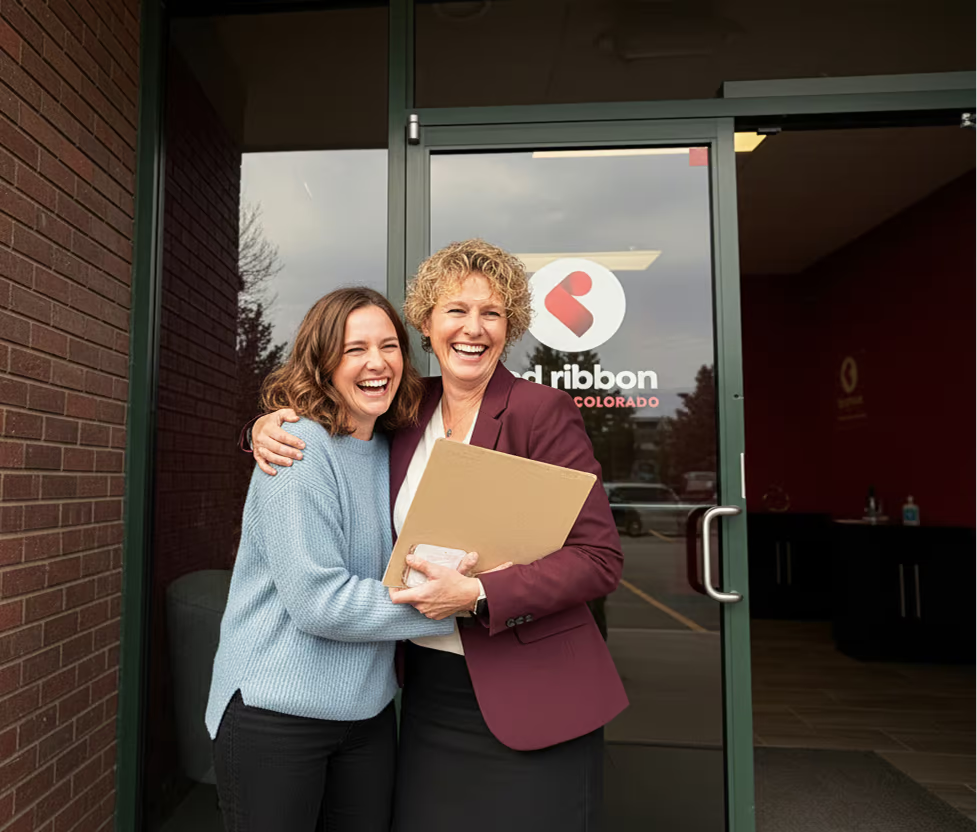


An opiate addiction hotline is a free, confidential phone line you can call any time to talk through opioid use and find out what help is available. You do not need insurance, a diagnosis, or a plan before you call. You just need to pick up the phone. Whether you are worried about your own use or about someone you love, a trained advisor can answer your questions, explain your options, and help you decide on a next step. Making that first call is a practical, powerful move toward recovery, and it is one you do not have to make alone.
What is an opioid helpline?
Think of an opioid helpline as your first conversation on the road to recovery. It is a free, completely confidential phone service you can call at any hour to talk about opioid use, ask questions, and get pointed toward real help. Trained, compassionate advisors answer these lines, listen, offer guidance, and connect you with treatment that fits your situation. They understand how opioid dependence takes hold, including how prescription drugs can lead to addiction, and they give you a safe space to talk without any pressure or commitment. If you are ready to look at care in Colorado, you can also explore Red Ribbon Recovery’s opioid addiction program directly.
What can I expect from an opioid hotline?
Making the call can be the hardest part, so knowing what to expect helps ease the anxiety. When you dial an opioid helpline, a caring representative answers, and the conversation is a judgment-free zone where you stay in control. You share only what you feel comfortable sharing. To understand your situation and give the best guidance, the advisor may ask a few gentle questions, such as:
- Are you, or the person you are calling about, in any immediate danger?
- Can you tell me a little about the situation and the substances being used?
- Are you calling for yourself or for a friend or family member?
- What kind of support or treatment are you looking for?
Their goal is simply to listen and guide you toward the right resources. For many people, this call starts the admissions process for treatment, and it can bring real clarity and hope in a moment that felt confusing.
How long does a hotline call take?
There is no set length. Some calls last only a few minutes, just long enough to get a question answered or a number to call back. Others run longer when someone wants to talk through a loved one’s situation, review insurance, or set up an assessment. You control the pace, and you can call back as many times as you need.
How opioid dependence develops
Opioid addiction is not a failure of willpower. Opioids change the way the brain’s reward and pain systems work, and with repeated use the brain adapts. Tolerance builds, so it takes more of the drug to feel the same effect, and physical dependence sets in, so stopping brings on withdrawal. That cycle is what makes opioid use so hard to escape without help, whether the opioid is heroin, fentanyl, or a prescription painkiller. Understanding this shows why reaching out to an opiate addiction hotline is a practical, medical step rather than an admission of weakness.
Why quitting alone is so hard
Many people try to stop on their own long before they ever call for help, and relapse is common. It is not a sign of weak resolve. Withdrawal is genuinely hard, and cravings can last well after the drug is gone. Structured treatment addresses both the physical and the psychological sides of dependence, which is why people who get support tend to do far better than those who try to go it alone.
Common opioids people call about
Hotline advisors hear about the full range of opioids. Some callers worry about heroin or fentanyl bought on the street, while many others started with a legitimate prescription for painkillers like oxycodone, hydrocodone, Percocet, or Vicodin after an injury or surgery. Prescription and illicit opioids act on the brain in similar ways, so dependence on pills can be every bit as serious as dependence on street drugs. Wherever the use began, an opiate addiction hotline can help you sort out what to do next.
When should I call an opiate addiction hotline?
There is no wrong time to call for help. If you are worried about your own opioid use or a loved one’s, that worry is reason enough. You can absolutely call an opiate addiction hotline for a family member, and it is one of the most common reasons people reach out. Advisors can explain how to support someone who is struggling and what treatment might look like.
According to the National Institute on Drug Abuse (NIDA), genetics, environment, and co-occurring mental health conditions can all raise the risk of addiction, so if you suspect a problem with heroin or a prescription opioid like Percocet or Vicodin, it is time to seek confidential guidance.
Symptoms of opioid abuse
Recognizing the signs of opioid abuse is key to knowing when to reach out. Symptoms vary from person to person, but common indicators include:
- Changes in behavior. Withdrawing from friends and family, losing interest in favorite activities, or unexplained money problems and secrecy.
- Physical symptoms. Drowsiness or nodding off at odd times, constricted pupils, changes in sleep, and flu-like symptoms when not using.
- Psychological signs. Sudden mood swings, irritability, low motivation, and intense cravings that are hard to ignore.
Signs it is time to call for a loved one
It is not always easy to know when to step in. If a family member is lying about their use, running out of prescriptions early, pulling away from the people who care about them, or showing withdrawal symptoms between doses, those are signals worth acting on. You do not have to wait for a crisis or for them to hit some low point. Calling a hotline yourself, even before your loved one is ready, gives you a plan and the right words for the conversation ahead.

Where to turn when you need help now
When you need support right away, you do not have to sort through a maze of numbers. Red Ribbon Recovery Colorado keeps a line open around the clock, so a real person can help you understand opioid use, answer questions about treatment, and walk you through the next step. Calls are confidential, and picking up the phone commits you to nothing.
If you are supporting someone else, the same line can help you figure out how to approach a hard conversation and what care is realistically available. The point of reaching out is not to be handed a script. It is to leave the call with a clearer sense of what is possible and how to begin.
Supporting a loved one through recovery
If you are the one making the call for a partner, child, or friend, your role matters more than you might think. Recovery is easier when a person has support in their corner. Advisors can coach you on how to raise your concern without shaming, how to set boundaries that protect your own well-being, and how to avoid the common trap of covering for someone in a way that lets the addiction continue. You cannot force another person into recovery, but you can make the door easy to walk through when they are ready.
Taking care of yourself too
Loving someone with an opioid addiction is exhausting, and burnout helps no one. Part of what a hotline offers families is a reminder that your own health matters, along with pointers to support built for the people around addiction, not only the person using. Sustainable help for a loved one starts with not running yourself into the ground.
Treatment options for opioid addiction
Calling a helpline is often the first step toward starting treatment. Care for opioid use disorder comes at different levels of intensity, and the right fit depends on your history, your health, and what your daily life looks like. At Red Ribbon Recovery, care is built around outpatient services, so you can work on recovery while keeping up with job, school, and family. Most programs include a partial hospitalization program, an intensive outpatient program, and a standard outpatient program, plus telehealth for people across Colorado who cannot easily travel to a center.
Medication-assisted treatment
For many people, opioid recovery works better when it includes addiction medicines. Medication-assisted treatment pairs FDA-approved medications with counseling to ease cravings and withdrawal so you can focus on the work of recovery. It is an evidence-based approach, not a matter of swapping one drug for another, and it is one of the tools that makes long-term recovery from opioids realistic.
Dual diagnosis and co-occurring conditions
Opioid use rarely happens in isolation. Anxiety, depression, trauma, and other mental health conditions often sit underneath a substance problem, and treating only one side tends to leave the other to pull a person back. Red Ribbon Recovery provides dual diagnosis treatment that addresses addiction and mental health together, which gives recovery a much sturdier foundation.
What an opiate addiction rehab program looks like
People often picture opiate addiction rehab as a long stay away from home, but outpatient care follows a different rhythm. You attend structured therapy sessions, individual and group, on a schedule that fits your week, then return home to practice what you are learning in real life. That structure is the core of opiate addiction treatment at the outpatient level: enough support to change patterns, enough flexibility to keep your responsibilities intact.
Choosing an opiate addiction treatment center
Not every opiate addiction treatment center offers the same thing. When you call a hotline or tour a program, it is fair to ask what levels of care they provide, whether they treat co-occurring mental health conditions, whether they accept your insurance, and what happens when the main program ends. A center that answers those questions clearly, and that keeps supporting you afterward through aftercare services, is one worth trusting with your recovery.
Is there a meth addiction hotline too?
Opioids are not the only substance people call about. If methamphetamine is the concern, a meth addiction hotline works the same way: a confidential call, trained advisors, and a route into assessment and treatment. Red Ribbon Recovery treats stimulant use alongside opioid use, so the same first call can point you toward help no matter which substance is driving the problem.
What happens after you call
A hotline call is the beginning, not the whole process. Once you decide to move forward, the next steps are usually straightforward. An advisor helps arrange an assessment, where a clinician learns about your history and recommends a level of care. Your insurance is verified so you know what is covered before anything starts, and then a schedule is set for your first sessions. From there, opiate addiction treatment becomes a routine you build into your week rather than a mystery.
Verifying insurance and cost
Cost is one of the biggest worries people bring to a hotline call, and it should never be the reason someone avoids asking for help. Red Ribbon Recovery accepts many insurance plans, and the team can check your benefits and explain any out-of-pocket costs before you commit to anything. Knowing the numbers up front removes one more reason to put off getting help.
Building a recovery that lasts
Recovery does not end when a program does. The strongest outcomes come from a plan that continues past the first weeks: ongoing therapy, peer support, healthy routines, and a relapse-prevention plan you actually use. Aftercare keeps that structure in place as you rebuild work, relationships, and confidence. Asking a hotline about long-term support, not just the first step, is a sign you are thinking about recovery the right way.
Your path to recovery starts here
Deciding to seek help is a sign of real strength, and you do not have to walk this path alone. At Red Ribbon Recovery, our multidisciplinary team recommends compassionate, evidence-based outpatient care built to support your long-term health and well-being. Hope and recovery are possible, and it begins with one conversation.
Taking that first step is the most important part of the journey, and the right support can make all the difference in lasting recovery from opiate addiction. If you or a loved one needs help, please do not wait. You can call us any time at (303) 219-3980 to speak with a caring professional, or contact us to get started. Red Ribbon Recovery Colorado is here to help you find your way back to a healthy, fulfilling life.
Sources
- Substance Abuse and Mental Health Services Administration. (2023-04-24). Treatment Types for Mental Health, Drugs and Alcohol. SAMHSA.
- Substance Abuse and Mental Health Services Administration. FindTreatment.gov: Home. SAMHSA.
- U.S. Department of Health and Human Services. (2024-12-02). Find help for substance abuse | USAGov. USAGov.
- Roth, K. B. (2020-10-15). Hotline use in the United States. Psychiatric Services.
- Substance Abuse and Mental Health Services Administration. (2024-11-01). About Us – SAMHSA. SAMHSA.
- Substance Abuse and Mental Health Services Administration. (2025-08-25). Medications for Substance Use Disorders – SAMHSA. SAMHSA.
- Substance Abuse and Mental Health Services Administration. (2025-01-08). Evidence-Based Practices Resource Center – SAMHSA. SAMHSA.
- Congressional Research Service. (2020-06-23). Substance Abuse and Mental Health Services Administration …. Congress.gov.
- Substance Abuse and Mental Health Services Administration. (2025-09-30). SAMHSA Data. SAMHSA.
- Substance Abuse and Mental Health Services Administration. (2025-08-11). 988 Lifeline Performance Metrics – SAMHSA. SAMHSA.
- Substance Abuse and Mental Health Services Administration. (2025-06-30). Quick Statistics Results | CBHSQ Data SAMHSA. SAMHSA.
- Substance Abuse and Mental Health Services Administration. (2025-02-13). Key Resources and Tools for N-SUMHSS | CBHSQ Data – SAMHSA. SAMHSA.
- Substance Abuse and Mental Health Services Administration. (2014-06-01). Crisis Services: Effectiveness, Cost-Effectiveness, and Funding …. SAMHSA.
- National Center for Biotechnology Information. (2005-01-01). 4 Screening and Assessment – Substance Abuse Treatment – NCBI. NCBI.
- Substance Abuse and Mental Health Services Administration. Contact Us – SAMHSA. SAMHSA.
- Substance Abuse and Mental Health Services Administration. (2023-04-24). Find Help and Treatment for Mental Health, Drug, Alcohol Issues. SAMHSA.
- Substance Abuse and Mental Health Services Administration. (2024-11-04). Frequently Asked Questions – SAMHSA. SAMHSA.
- Substance Abuse and Mental Health Services Administration. (2025-07-28). SAMHSA Releases Annual National Survey on Drug Use and Health. SAMHSA.
- Substance Abuse and Mental Health Services Administration. (2025-04-02). Become an Opioid Treatment Program (OTP) – SAMHSA. SAMHSA.
- Substance Abuse and Mental Health Services Administration. (2025-09-19). 988 Frequently Asked Questions – SAMHSA. SAMHSA.
- Substance Abuse and Mental Health Services Administration. (2024-02-02). Substance Use Disorders – Statutes, Regulations, and Guidelines. SAMHSA.
- Substance Abuse and Mental Health Services Administration. (2025-09-30). Key Resources and Tools for NSDUH | CBHSQ Data – SAMHSA. SAMHSA.
- National Center for Biotechnology Information. (1996-01-01). Chapter 5, Specialized Substance Abuse Treatment Programs – NCBI. NCBI.
- U.S. Department of Health and Human Services. Mental health & substance abuse coverage. Healthcare.gov.
- Centers for Medicare & Medicaid Services. Mental health & substance use disorders – Medicare. Medicare.gov.
- National Institute on Drug Abuse. (2023-09-14). Prevention | National Institute on Drug Abuse – NIDA. NIDA.
- Substance Abuse and Mental Health Services Administration. (2025-09-26). Screening and Treatment of Co-Occurring Disorders. SAMHSA.
- National Center for Biotechnology Information. (2023-04-25). Integrated vs non-integrated treatment outcomes in dual …. NCBI.
- National Center for Biotechnology Information. (2020-07-07). Tracking the Quality of Addiction Treatment Over Time and Across …. NCBI.
- Centers for Disease Control and Prevention. (2024-06-27). Treatment for Opioid Use Disorder: Population Estimates – CDC. CDC.
- National Center for Biotechnology Information. (2020-03-13). Recovery From Opioid Use Disorder (OUD) After Monthly Long …. NCBI.
- National Center for Biotechnology Information. (2023-05-22). Effect of a multidisciplinary approach on hospital visit continuation in …. NCBI.
- National Center for Biotechnology Information. (2017-07-17). The effects of residential dual diagnosis treatment on …. NCBI.
- National Center for Biotechnology Information. (2020-06-03). Integrating Mental Health and Addiction Treatment into General …. NCBI.
- Substance Abuse and Mental Health Services Administration. Integrated Treatment for Co-Occurring Disorders: Building Your … [PDF]. SAMHSA.
- Centers for Disease Control and Prevention. (2025-03-07). Recovery is Possible: Know the Options | Rx Awareness – CDC. CDC.