


Teen addiction treatment works differently from adult care, and recognizing the warning signs early gives your child the best chance at recovery. If you suspect your child is using drugs or alcohol, the questions come fast: is this normal adolescent behavior or a real substance problem, and what should you do about it? Knowing which signs matter, what effective treatment for a teenager actually involves, and how your family fits into the process turns that fear into a plan. Looking for answers is itself the first concrete step toward getting your child help.
How do I know if my teen needs rehab?
Telling the difference between typical adolescent growing pains and the signs of substance abuse is genuinely hard. The most important thing to hold onto is that addiction is a medical condition, not a moral failing or a sign of bad parenting, and it responds to professional addiction treatment. The most useful thing a parent can do is learn to recognize the behaviors and symptoms of teen drug abuse so you can get your child the right help. Those signs generally fall into three categories: physical, behavioral, and psychological.
What are the signs of addiction?
If you are worried about your teen, watch for consistent changes in appearance, actions, and mood. One or two of these symptoms of addiction on their own might not be cause for alarm, but a pattern of several changes together can signal a real problem.
- Physical signs. These are often the most noticeable changes. You might see a decline in grooming or hygiene, significant shifts in appetite or sleep, bloodshot eyes, or frequent nosebleeds.
- Behavioral signs. A teen struggling with substance use often shows sudden, drastic changes in daily life, including a drop in school performance, losing interest in hobbies they once loved, skipping classes, or changing their friend group entirely. Many become secretive, withdraw from family, or grow more defiant and aggressive. For more detail, you can learn about the specific signs of drug use in teens.
- Psychological signs. Addiction takes a heavy toll on a teen’s mental health. Look for severe mood swings that seem to come from nowhere, along with heightened irritability, anxiety, or even paranoia.
How is teen treatment different than treatment for adults?
Treating addiction in adolescents is not a scaled-down version of adult rehab. A teenager’s brain is still developing, especially the prefrontal cortex that governs decision-making and impulse control, which makes them more vulnerable to the effects of drugs and alcohol and calls for a specialized approach. Compared with adult programs, teen treatment leans much harder on family involvement, on handling peer pressure directly, and on building foundational life skills that may not be fully formed yet.
Why early intervention matters
The developing teenage brain is a double-edged reality. Because it is still forming, it is more easily rewired by repeated substance use, which is part of why addiction can take hold faster in adolescents than in adults. That same plasticity is what makes early intervention so powerful, since a teen who gets help sooner has more room to build durable, healthy patterns. Waiting for a teen to hit rock bottom is a myth worth abandoning, because earlier, well-matched care consistently leads to better long-term outcomes.
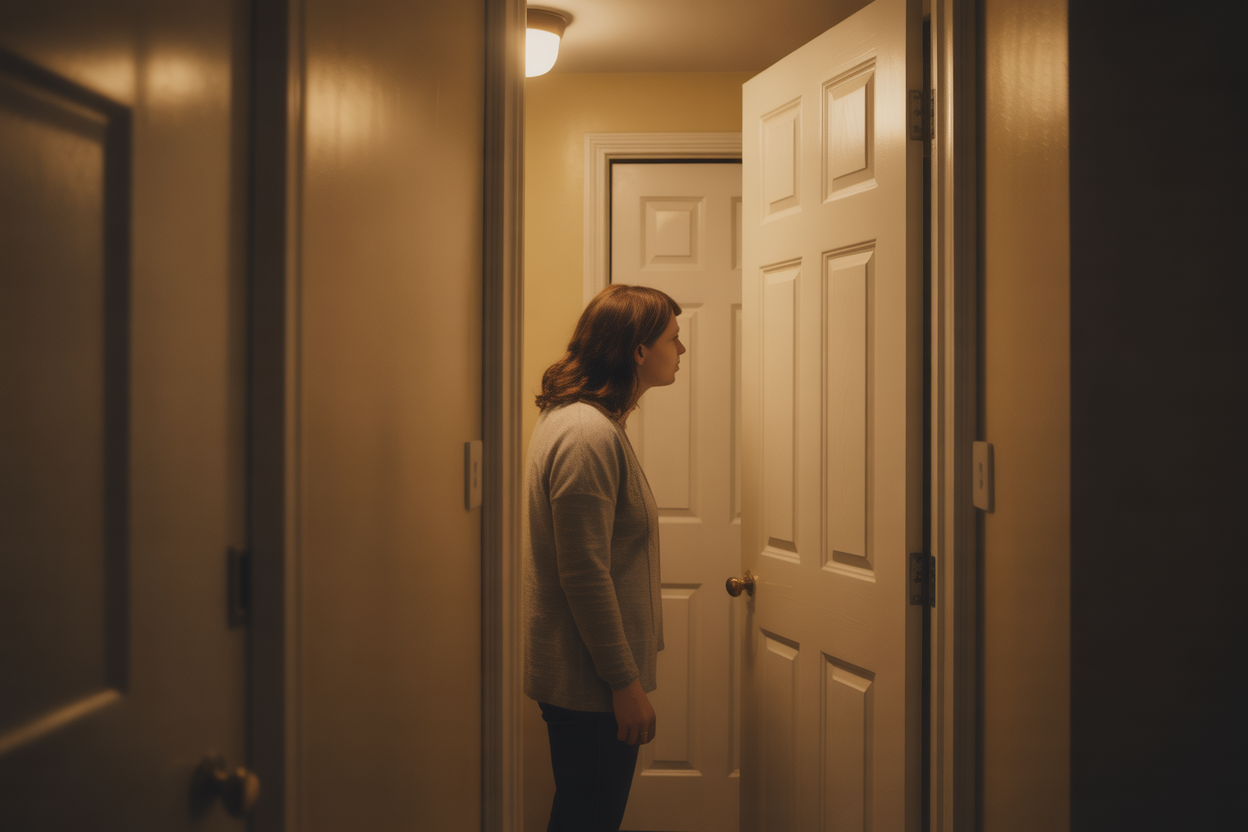
Substance use in teens is often tangled up with mental health. In treatment settings, a teen with a substance use disorder frequently has a co-occurring condition such as depression, anxiety, or ADHD. That is why integrated or dual diagnosis treatment matters so much, because it addresses the substance use and the underlying mental health condition at the same time and gives your child a stronger shot at lasting recovery. Approaches like CBT help adolescents build healthier coping skills for both.
Teen addiction treatment options
There is no one-size-fits-all answer to teen addiction treatment. The right level of care depends on your child’s needs, the severity of the substance use, and your family’s circumstances, and sorting through it can feel overwhelming once cost and availability are added in. Broadly, care ranges from residential programs to flexible outpatient care and telehealth. Red Ribbon Recovery Colorado focuses on the outpatient side of that continuum, which keeps clients connected to home, school, and daily life while they build recovery skills.
Residential and inpatient rehab for teens
Residential or inpatient programs place someone in a structured, 24/7 setting away from outside distractions and triggers, and this level of care is sometimes recommended for severe addiction or serious co-occurring conditions. Access, though, is a real hurdle. Research from the National Institutes of Health found that residential addiction treatment for adolescents is scarce and expensive, with an average daily cost of $878 and an average wait of 28 days for a bed. For many families, that makes accessible outpatient care not just an alternative but the more practical path. Red Ribbon Recovery Colorado does not provide residential or detox services and instead specializes in outpatient levels of care.
Outpatient rehab for teens
Outpatient rehab is the more flexible and often more accessible option, letting people live at home and stay in school or work while they receive structured treatment. Intensity varies. A partial hospitalization program provides treatment several hours a day, several days a week; an intensive outpatient program asks for fewer hours; and a standard outpatient program steps down further as recovery stabilizes. These evidence-based models, including telehealth, help people practice recovery skills in the real-world environment where they actually live, which is what makes outpatient care so effective for many families.
Family therapy
Family therapy is not an add-on; it is a core part of successful teen addiction treatment. Addiction affects the whole family system, so healing has to happen together. Family therapy creates a safe space to improve communication, rebuild trust, and set healthy boundaries in the parent-child relationship. It helps parents learn how to support their child while still caring for their own well-being, and by working through challenges like codependency and building a supportive home, families become their child’s strongest allies in recovery. Learning the signs you’re in a codependent relationship is a powerful first step for many parents.
What to look for in an addiction treatment center
Not every addiction treatment center is set up for adolescents, so it helps to know what actually matters when you compare programs. When you are arranging addiction treatment for a teenager, the fit between the program and your child’s specific needs matters more than any single feature. Strong addiction treatment centers involve the family from the start, coordinate with school when possible, and are transparent about which levels of care they provide. Ask directly whether a program treats the substances your child is using, since alcohol addiction treatment, cannabis care, and stimulant care can each call for a different plan.
Evidence-based care is the other thing to confirm. Effective programs rely on proven therapies such as CBT, DBT, and motivational interviewing, and, where clinically appropriate, medication-assisted treatment to ease cravings and support stability. Red Ribbon Recovery Colorado brings these approaches together across its partial hospitalization, intensive outpatient, and standard outpatient programs, with dual diagnosis support for co-occurring mental health conditions and aftercare to help recovery hold.
How to talk to your teen about getting help
Bringing up treatment with a teenager is one of the hardest conversations a parent will have, and how you open it matters. Choose a calm, private moment rather than the heat of an argument, and lead with concern rather than accusation, naming specific behaviors you have noticed instead of labeling your child. Expect defensiveness and try not to match it, because staying steady and non-judgmental keeps the door open for the next conversation. It also helps to come with a plan, so that when your teen is willing to consider help, the next step is concrete rather than vague.
You do not have to lead these conversations perfectly or alone. Many families bring in a counselor, physician, or the intake team at an addiction treatment center to help guide the discussion and outline realistic options. Reaching out for that guidance early, before a crisis forces the issue, gives everyone more choices and less pressure.
Paying for treatment and verifying insurance
Cost is one of the biggest reasons families delay getting help, but it should not be the reason a teen goes without care. Many addiction treatment programs work with insurance, and outpatient care is generally far more affordable than residential options. Before you rule anything out, it is worth confirming your benefits directly. Red Ribbon Recovery Colorado lets families verify insurance quickly and confidentially, so you know what is covered before making decisions.
Supporting recovery at home
Home is where most of a teen’s recovery actually happens, which makes the family environment a treatment tool in its own right. Small, consistent structure helps, including predictable routines, clear and calm boundaries, and follow-through on the agreements you have made together. It also means modeling the behavior you want to see, including how alcohol and other substances are treated in the house. Celebrating progress, even small wins, reinforces that recovery is worth the effort and that your teen is not defined by their addiction.
At the same time, parents need support of their own. Burnout and resentment are real risks when you are carrying this, and family support groups, individual counseling, and honest conversations with people you trust all help you stay steady enough to be useful. Taking care of yourself is not a distraction from helping your child, it is part of how you sustain it.
Ongoing and aftercare for teens
Recovery does not end when a formal program is finished. For teens, it is a long-term process that needs ongoing support to handle daily life while staying sober. A solid aftercare plan, sometimes called a step-down plan, keeps structure and support in place as your teen transitions back into school, family, and social life. It usually includes continued individual or family therapy, participation in peer support groups, and healthy, sober activities that help build a fulfilling life without drugs or alcohol.
Relapse prevention is a central piece of that ongoing support. Teens learn to identify personal triggers, whether that is a certain friend group, stress at school, or unstructured time, and to rehearse specific coping strategies before those moments arrive. A good step-down plan also keeps parents involved, so warning signs are caught early, and small setbacks do not quietly grow into a full return to use.
Structure outside of therapy matters just as much. Sober extracurriculars, a part-time job, volunteering, or a recovery-focused peer group give a teen something to build toward and a community that reinforces the choices they are making. The more of daily life that quietly supports recovery, the less weight any single appointment or conversation has to carry, and the more natural staying sober begins to feel.

Peer support is especially powerful for adolescents. Groups specifically for teens provide a community of others who understand their struggles, reducing feelings of isolation and offering a safe space to discuss triggers and coping strategies. Understanding what leads to a relapse is a key part of aftercare, and having a strong sober network helps teens build the confidence and skills to handle peer pressure and make healthy choices.
Your teen’s first step to recovery
Recognizing that something might be wrong and reaching for answers is a courageous, loving act, and it is the first real step on the path to recovery. Hold onto hope, because with the right support and treatment, teens do recover from addiction and go on to live healthy, full lives. If you need guidance for yourself or another adult family member, help is available and close at hand.
Watching your child struggle with addiction is heartbreaking, but you do not have to navigate it alone. Addiction is a treatable health condition, and effective outpatient levels of care, from partial hospitalization to intensive and standard outpatient programs, can be matched to what your family needs. Family involvement and a strong aftercare plan are what carry recovery over the long term. If you are unsure what to do next for an adult family member or for yourself, call Red Ribbon Recovery Colorado at (303) 219-3980, or learn more about the admissions process to see how the team can help. Taking that next step is a sign of strength. Contact us today.
Sources
- PubMed Central. (2013, August 1). DSM-5 criteria for substance use disorders. PubMed Central.
- Substance Abuse and Mental Health Services Administration. (n.d.). Screening and treatment of substance use disorders among adolescents [PDF]. SAMHSA.
- Substance Abuse and Mental Health Services Administration. (2025, July 28). SAMHSA releases annual National Survey on Drug Use and Health. SAMHSA.
- PubMed Central. (2022, February 24). Co-occurring mental disorders in transitional aged youth with substance use disorders. PubMed Central.
- Harvard Health Publishing. (2018, August 7). Adolescence: A high-risk time for substance use disorders. Harvard Medical School.
- National Institutes of Health. (2024, January 8). Residential addiction treatment for adolescents is scarce and expensive. National Institutes of Health.
- PubMed Central. (2023, April 25). The evolution of telepsychiatry for substance use disorders during COVID-19. PubMed Central.
- North Carolina Department of Health and Human Services. (n.d.). The research evidence on the efficacy of telehealth for addiction and behavioral health services [PDF]. North Carolina Department of Health and Human Services.
- PubMed Central. (2016, August 3). Continuing care for adolescents in treatment for substance use disorders. PubMed Central.
- PubMed Central. (2014, April 14). Recovery high schools: Students and responsive academic and recovery supports. PubMed Central.
- Substance Abuse and Mental Health Services Administration. (n.d.). FindTreatment.gov. SAMHSA.
- U.S. Department of Health and Human Services, Administration for Children and Families. (n.d.). Understanding engagement of families affected by substance use [PDF]. Administration for Children and Families.