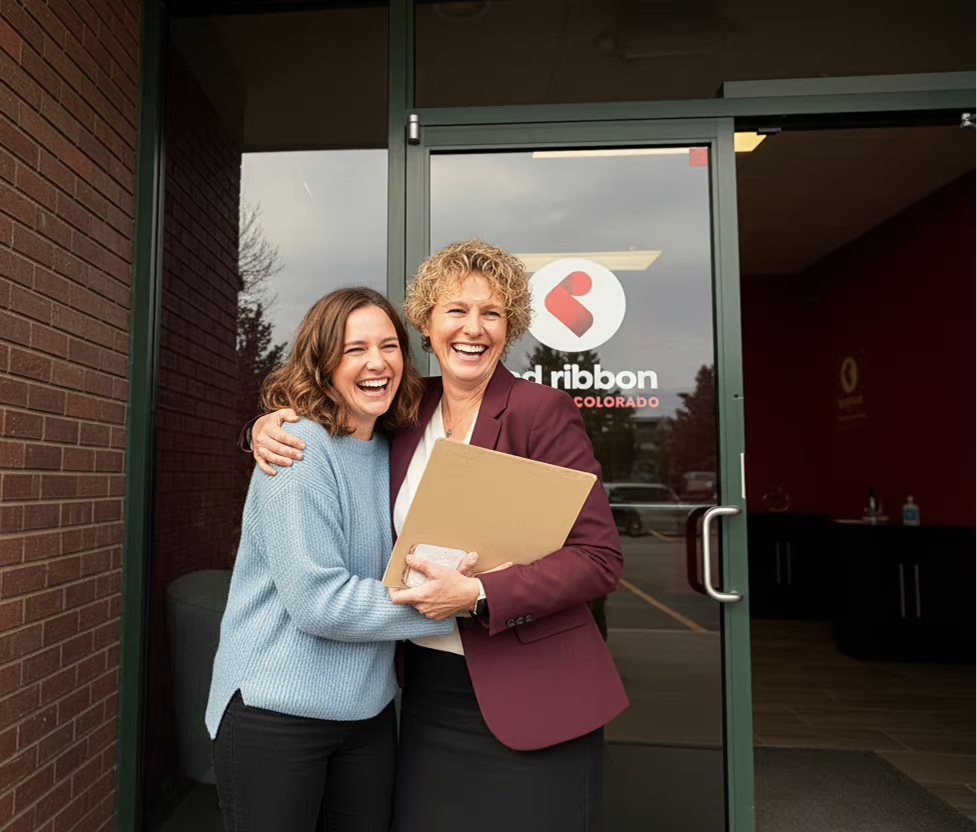


A happy, fulfilling life without drugs is possible, and it often turns out to be richer than the one substances promised. If you are tired of the cycle, the constant chase, and the sense that something is missing, that feeling is the starting point for change. Sobriety rewires how you find joy, rebuild relationships, and set goals that actually stick. Deciding to explore recovery is a major step, and knowing what comes next makes it feel far less overwhelming.
Why should you quit drugs or alcohol?
Choosing to stop using substances is one of the most powerful things you can do for your health and happiness. Drug use often begins as a way to cope or find a temporary escape, creating a false sense of happiness by flooding the brain’s reward system with dopamine. Over time, these substances change the brain’s chemistry, making it harder to feel good from everyday pleasures. That shift can leave you feeling like you need the drug just to feel normal.
When the brain adapts to this cycle, it can lead to addiction, a recognized medical condition rather than a matter of willpower. The good news is that the brain is resilient and has an incredible capacity to heal. Quitting allows it to recalibrate, slowly helping you find genuine joy again. Professional addiction treatment supports that process, and long-term recovery brings real benefits to your physical and mental health, from reducing the risk of chronic disease to restoring emotional stability. It also opens the door to rebuilding trust in relationships and reaching financial stability, laying the groundwork for a truly rewarding life without drugs.
How your body and brain heal after drugs
Recovery starts the moment substances begin leaving your body. How long that takes depends on the half-life of the drugs you have been using, which is the time it takes for the amount of a substance in your bloodstream to drop by half. Short-acting substances may clear within hours, while others linger for days, which is one reason recovery timelines differ so much from person to person.
Understanding the half-life of drugs helps set realistic expectations for early sobriety. As a substance clears, the brain slowly begins restoring its own dopamine balance, and the fog, low mood, and cravings that mark the first weeks gradually ease. This healing is not instant, but it is steady, and each drug-free day gives your nervous system more room to recover. Knowing that the discomfort is temporary and tied to your body chemistry can make those early days easier to push through.
For many people, the sharpest symptoms fade within a week or two, but some effects on mood, sleep, and motivation can linger for months as the brain fully rebalances. This is normal and expected. Being patient with yourself during this stretch, leaning on support, and keeping healthy routines all help the brain finish healing. The reward is a steadier baseline mood that no substance can match.

Ways to boost your dopamine while sober
One of the most exciting parts of recovery is rediscovering what truly makes you happy. These are natural highs, healthy and sustainable activities that boost your mood and help retrain the brain’s reward pathways. Instead of relying on substances for a temporary lift, you can build a life filled with activities that bring lasting satisfaction and joy. Think of them as your toolkit for building happiness from the ground up.
Physical exercise
Moving your body is one of the quickest ways to change your state of mind. Physical exercise releases endorphins, which are natural mood lifters, and boosts dopamine in a healthy way. You don’t have to run a marathon to feel the benefits. It can be as simple as taking a walk, hiking one of Colorado’s beautiful trails, or joining a local sports team. Finding a physical activity you enjoy makes it easier to stick with, and it can be a powerful outlet for stress. For some, adventure therapy combines the healing power of nature with physical activity for an even greater mental health boost.
Use mindfulness meditation
Mindfulness is the simple practice of paying attention to the present moment without judgment. It’s a powerful tool for managing the stress and anxiety that often come with early sobriety. When cravings hit, your mind can feel chaotic. Mindfulness helps you slow down and create space between a trigger and your reaction. You can start right now with a simple breathing exercise:
- Find a comfortable place to sit. Close your eyes if you’d like.
- Breathe in slowly through your nose for a count of four.
- Hold your breath for a count of four.
- Exhale slowly through your mouth for a count of six.
- Repeat this for just one or two minutes and notice how you feel.
This kind of deep breathing calms your nervous system and helps you stay grounded. It’s a core skill taught in therapies like dialectical behavior therapy (DBT) because it’s so effective at managing difficult emotions.
Develop a hobby
Addiction can take up a lot of your time and energy, leaving little room for anything else. Recovery is the perfect time to rediscover old passions or try something new. Engaging in a hobby you love provides a sense of purpose and accomplishment, which helps rebuild self-esteem. Whether it’s learning to play the guitar, tending to a garden, cooking new recipes, or writing, hobbies give you a positive and motivating way to spend your time and set meaningful goals.
Volunteering and social connection
Connecting with others and contributing to your community can be incredibly healing. Helping others gives you a sense of purpose beyond your own struggles and fosters a powerful sense of belonging. Research suggests that nearly 94% of people report an improved mood after volunteering. Look for local opportunities in Colorado that align with your interests. Building positive social connections with friends, family, and peers who support your sobriety is a cornerstone of a happy life in recovery.
Nourish your body with sleep and nutrition
Sleep and food have a bigger impact on mood than most people expect. Substance use disrupts sleep cycles and often crowds out balanced meals, leaving the brain short on the raw materials it needs to regulate emotion. Building a steady sleep routine and eating regular, nutrient-rich meals gives your body a foundation to heal on. Simple choices, like limiting caffeine late in the day and keeping water nearby, can steady your energy and make cravings easier to manage.
Building a meaningful life beyond sobriety
Lasting happiness in recovery comes from more than avoiding substances. It grows out of a life that feels purposeful, structured, and connected. Many people find that the routines they build in early sobriety- regular sleep, meaningful work, and time with supportive people- become the framework for a life they actually want to live. The goal is not just to stop using drugs but to replace what substances once occupied with something better.
Setting small, achievable goals gives each day direction and a sense of progress. That might mean returning to school, rebuilding a career, repairing a relationship, or simply keeping a daily routine you can be proud of. Every goal you reach reinforces the belief that a rewarding life without drugs is within your control. Purpose does not appear all at once; it is built one steady, intentional choice at a time.
Connection is often the missing piece. Isolation feeds addiction, while genuine relationships protect against it, so investing in friendships, family, and community pays off in both mood and stability. Even small acts, like sharing a meal, joining a group, or checking in on someone, strengthen the sense of belonging that makes sobriety sustainable.

Support systems in recovery
One of the most important things to remember is that you don’t have to do this alone. Building a life without drugs is a journey, and having a strong support system makes all the difference. Support can come from many places, whether it’s from peers who understand what you’re going through or from professionals who can guide you with proven strategies.
Support groups, for example, provide a safe space to share your experiences without fear of judgment. Hearing from others who have faced similar challenges can reduce feelings of isolation and provide hope. Professional help, such as therapy and counseling, gives you the tools to address the root causes of addiction and develop healthy coping mechanisms. Our intensive outpatient program and dual diagnosis treatment use evidence-based approaches like cognitive behavioral therapy and dialectical behavior therapy to equip you for long-term sobriety. With virtual and telehealth options, getting the support you need is more accessible than ever. If you’re ready to learn more, our admissions process is simple and confidential.
Coping with cravings and difficult days
Cravings are a normal part of early recovery, and they pass, usually within 15 to 30 minutes, whether or not you act on them. Having a plan ready for those moments makes them far easier to ride out. Distraction, movement, a phone call to someone safe, or a grounding breathing exercise can all shorten a craving and remind you that the urge is temporary.
It also helps to know your personal triggers, the people, places, feelings, and times of day that make cravings more likely. Once you can name them, you can plan around them, whether that means changing your route home, scheduling support during hard hours, or building in a healthy reward for getting through a tough stretch. Over time, these small strategies add up to real resilience.
What if I relapse?
The fear of relapse is real, and it’s a common concern for anyone on the recovery journey. It’s important to understand that relapse is not a sign of failure. Addiction is a chronic condition, and sometimes setbacks happen. In fact, relapse rates for substance use are comparable to those for other chronic diseases like diabetes or asthma. A relapse doesn’t erase your progress; it’s an opportunity to learn more about your triggers and strengthen your coping strategies.
If you do have a setback, the most important thing is how you respond. Here are a few immediate, actionable steps to take:
- Reach out for help immediately. Call your sponsor, a trusted friend, a family member, or your therapist. Don’t try to handle it alone.
- Be honest with your support system. Secrecy can let the relapse take hold, and honesty is key to getting back on track quickly.
- Analyze what triggered the relapse. Whether it was stress, a specific place, or a difficult emotion, understanding the trigger is crucial for preventing it in the future.
- Recommit to your recovery plan. Get back to what was working, attend a meeting, schedule a therapy session, and focus on your self-care.
A sober and happy life without drugs or alcohol is possible
Choosing a life without drugs isn’t about giving things up; it’s about opening yourself up to a world of new possibilities for genuine happiness and health. By understanding how your brain can heal, finding natural highs that bring you joy, and building a strong support system, you can create a life that is both meaningful and sustainable. Many people ask if addiction can be cured, and the most helpful way to see it is as a lifelong journey of management and growth. Like any chronic condition, it requires ongoing attention, but it doesn’t have to define you. Recovery isn’t a destination with a fixed timeline; it’s a path of continuous progress.
This journey is yours to define, and every step forward is a victory. You have the strength to build the life you deserve, and you don’t have to do it alone. If you’re ready to take the first step, our compassionate team at Red Ribbon Recovery Colorado is here to help. Call us at (303) 219-3980 or contact us online for a confidential assessment. We’re here to support you every step of the way.
Sources
- FindTreatment.gov. (n.d.). FindTreatment.gov.
- Frontiers Media. (2024, February 8). Effect of physical exercise on the emotional and cognitive levels of individuals with substance use disorders. Frontiers in Psychology.
- National Academy of Medicine. (2024, November 21). Guide for future directions for the addiction and OUD treatment ecosystem.
- National Center for Biotechnology Information. (2005). Types of groups commonly used in substance abuse treatment.
- National Institute on Drug Abuse. (2020, July 6). Addiction and health.
- National Institute on Drug Abuse. (2020, July 6). Drugs, brains, and behavior: The science of addiction.
- National Institute on Drug Abuse. (2020, July 6). Drug misuse and addiction.
- National Institute on Drug Abuse. (2020, July 6). Treatment and recovery.
- National Institutes of Health. (2003, December 1). Dialectical behavior therapy for substance abusers.
- National Institutes of Health. (2010, January 1). Cognitive-behavioral therapy for substance use disorders.
- National Institutes of Health. (2017, March 21). Reward circuitry in addiction.
- National Institutes of Health. (2018, January 13). Family-focused practices in addictions: A scoping review protocol.
- National Institutes of Health. (2018, November 16). Mindfulness meditation in the treatment of substance use disorders.
- National Institutes of Health. (2019, March 9). How social relationships influence substance use disorder.
- National Institutes of Health. (2019, July 19). Effects of social support and 12-step involvement on recovery.
- National Institutes of Health. (2020, March 12). The effect of significant-other involvement in treatment for substance use disorders.
- National Institutes of Health. (2023, July 21). Addiction relapse prevention.
- National Institutes of Health. (2024, September 6). A systematic review of the benefits of physical exercise on mental health.
- Substance Abuse and Mental Health Services Administration. (n.d.). The intersection of physical activity, wellness, and recovery.
- Substance Abuse and Mental Health Services Administration. (n.d.). The importance of family therapy.
- Substance Abuse and Mental Health Services Administration. (2025, September 24). SAMHSA.
- University of California, Los Angeles. (2023, June 1). SAMHSA’s National Helpline.
- University of Pennsylvania. (2025, February 5). Neuroscience and addiction: Unraveling the brain’s reward system.
- University of Utah. (n.d.). Drug use changes the brain over time.
- University of Washington. (2021, April 1). Retention toolkit: Family involvement.
- U.S. Department of Veterans Affairs. (n.d.). Recovery-oriented mutual self-help groups.
- U.S. Government. (2024, December 2). Find help for substance abuse.