
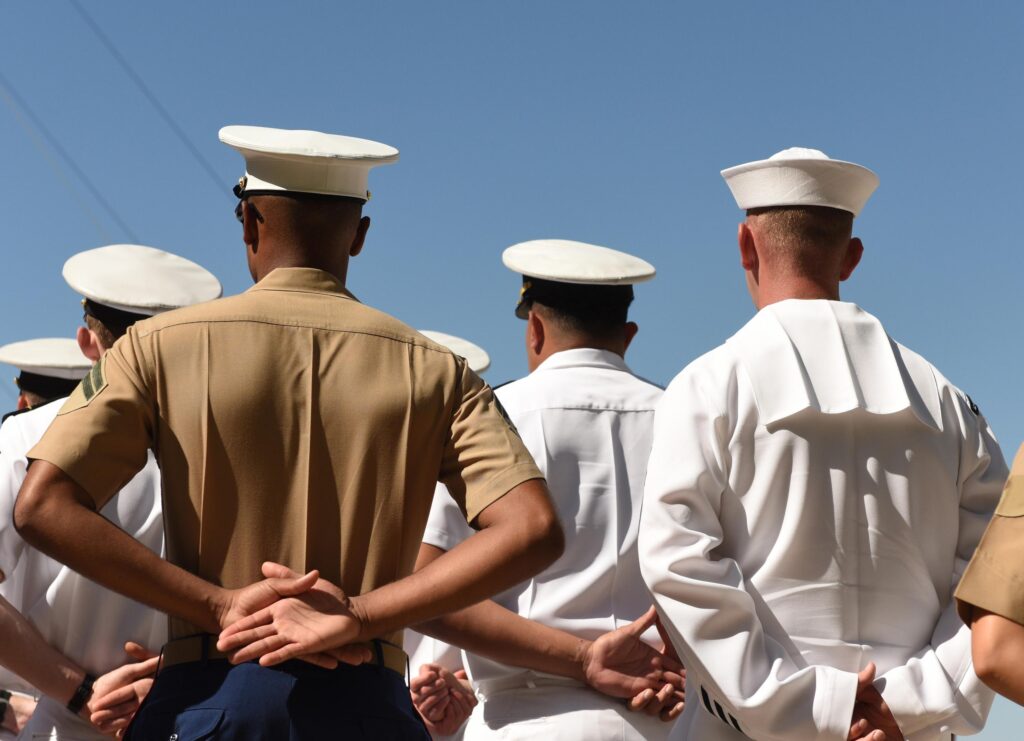
The Navy drug and alcohol program exists to get sailors treatment for substance use, not to end their careers. If drinking or drug use has started to affect your health, relationships, or readiness, there are confidential, non-punitive ways to get help through your command and through civilian providers. Alcohol misuse is common across military life, and reaching out early protects both your recovery and your service record. Knowing who to contact and what treatment involves makes that first step far less intimidating.
Substance abuse in the Navy
The high-stress environment of Navy service can sometimes lead to unhealthy coping mechanisms. Alcohol use is particularly common, and while it can be part of military culture, it can also become a serious problem. Research shows that around 40% of sailors could be classified as risky drinkers, with real potential for developing an alcohol use disorder. This is compounded by a cultural context where more than 68% of service members across all branches believe the military is generally supportive of drinking.
One of the most significant warning signs is binge drinking, which means consuming several drinks in a short period. This pattern is often linked to the pressures of service and can be a way of managing underlying conditions like PTSD. According to the National Institute on Drug Abuse, substance use and mental health conditions frequently occur together in military populations, which makes integrated care essential. At Red Ribbon Recovery Colorado, that integrated approach comes through dual diagnosis treatment that addresses substance use and mental health at the same time.
Recognizing the signs of a problem
Substance use rarely announces itself with a single dramatic event. More often it shows up as a slow drift: needing more alcohol to feel the same effect, drinking alone or before duty, missing formations, or brushing off concern from shipmates. Financial strain, conflict at home, and irritability during sober stretches are all common markers. When drinking or drug use starts steering daily decisions, it has moved from a habit into a health issue worth addressing.
For many sailors, substance use sits on top of an untreated mental health condition. Depression, anxiety, and post-traumatic stress can all drive the urge to self-medicate, and each one makes the other harder to manage. Naming the full picture, rather than just the drinking, is what allows treatment to actually work.
Drug testing and what it detects
The Navy relies heavily on random urinalysis, and understanding how testing works helps sailors make informed choices. A frequent question is a simple one: does alcohol show up on a drug test? Standard military urinalysis panels screen for substances such as THC, cocaine, opioids, and amphetamines rather than alcohol, so alcohol usually does not appear on a routine drug test. Alcohol is measured separately, through breath or blood testing, and typically only after an incident or when a command has specific cause.
That distinction matters, but it should not be read as a loophole. Alcohol-related incidents, from a DUI to misconduct ashore, trigger their own consequences and referrals. The goal of any testing program is early identification, and identification opens the door to treatment rather than closing the door on a career.
Why untreated use escalates
Left unaddressed, a drinking or drug problem rarely stays the same size. Tolerance climbs, the behavior spreads into more areas of life, and the risk of an alcohol-related incident grows with it. Untreated substance use is also strongly linked to worsening depression, sleep problems, and relationship breakdown. The sailors who fare best are almost always the ones who treated the issue as a health problem early, before it forced a decision on someone else’s terms.
How to access help
The good news is that the Navy provides clear, non-punitive pathways to get support for substance use, and you do not have to navigate them alone. The primary point of contact is the Drug and Alcohol Program Advisor, or DAPA, a trained resource person available at your command who can walk through your options confidentially. Talking to your DAPA is a proactive move toward recovery rather than an admission of failure.
Several routes lead into care. For sailors who are transitioning out or who prefer to keep treatment private, a telehealth assessment can be a valuable first step. Civilian programs can also work alongside military care, offering specialized treatment for veterans and active-duty members dealing with co-occurring conditions like PTSD. Understanding the choices in front of you is the fastest way to take back control of your health and your career.
Self-referral
A self-referral is the most proactive and protected way to seek help. This is when you, as a sailor, decide to reach out before any incident occurs. You can contact your DAPA, a medical officer, or a chaplain to start the process without fear of punishment. This approach is designed to be confidential, allowing you to get the treatment you need while safeguarding your career. It shows leadership and a commitment to your own well-being.
Command-referral
Sometimes a commander or supervisor initiates a referral. This typically happens after they notice performance issues or following an alcohol-related incident. The goal of a command referral is still treatment and recovery, because the command’s primary interest is making sure you are healthy and ready to serve. While it can feel different from a self-referral, it remains an opportunity to get the support you need to get back on track.
Medical referral
A third path runs through the medical system. When a corpsman, nurse, or physician notices signs of a substance use disorder during an exam or after an injury, they can refer a sailor for a formal assessment. Because it starts with a clinician, this route keeps the focus squarely on health, and it often catches problems that have been flying under the radar for months.
Confidentiality and your career
The single biggest reason sailors hesitate to ask for help is fear of what it will do to their record. It is a reasonable worry, and it deserves a clear answer. Voluntary, self-initiated treatment is structured to be confidential and is treated as a responsible step rather than a disciplinary one. The Navy’s own guidance frames early help-seeking as evidence of good judgment, the exact quality it wants in people who hold sensitive roles.
Where problems arise is almost always the reverse: substance use that stays hidden until an incident exposes it. At that point the sailor has lost the initiative, and the situation is handled as a discipline matter rather than a health one. Choosing treatment first keeps you in the driver’s seat, and it signals the reliability that protects clearances, assignments, and long-term advancement.
Treatment options and levels of care
Once an assessment is complete, treatment is matched to the severity of the substance use rather than applied as a one-size-fits-all plan. Effective alcoholism programs and drug treatment share a common shape: they meet a person where they are, then adjust the intensity up or down as recovery progresses. For sailors and veterans who do not require around-the-clock supervision, an outpatient continuum offers structure while allowing them to keep working, studying, or caring for family.
At Red Ribbon Recovery Colorado, that continuum begins with a partial hospitalization program for those who need the most support without an overnight stay, then steps down to an intensive outpatient program as stability grows. A standard outpatient program provides lighter, ongoing accountability for people further along in recovery.
For those whose recovery is supported by medication, medication-assisted treatment can ease cravings and withdrawal-related discomfort under medical supervision. When alcohol or drug use overlaps with a mental health condition, dual diagnosis care treats both at once so neither is left to undermine the other. Because this is an outpatient model, it does not include detox or residential care; sailors who first need medically supervised withdrawal can be guided toward the right starting point before stepping into outpatient treatment.
Recovery does not end when a program does. Aftercare and alumni support help people hold on to their progress, and 12-step facilitation connects them with a wider community of peers who understand the work. This steady, stepped-down structure is what turns early sobriety into lasting change.
Therapies that support recovery
Different therapies address different needs. Cognitive behavioral therapy helps sailors identify the thoughts and triggers that lead to use, while trauma-focused approaches like EMDR therapy are particularly useful for those carrying service-related trauma. Motivational interviewing meets ambivalence head-on, and group therapy rebuilds the sense of unit and accountability that service members often respond to well. A strong plan blends several of these rather than relying on any single method.
Education and prevention programs
Treatment is only one part of the picture. The military, like the wider country, has long invested in prevention and education. Many sailors first encountered substance education years before enlisting, through a school-based dare drug education program built to help young people resist peer pressure and understand the risks of drugs and alcohol. That early exposure reflects a broader truth: information changes behavior, and prevention works best when it starts before a problem does.
Inside the Navy, education continues through structured coursework. Sailors flagged for risky use are often assigned a drug and alcohol course that covers the physical effects of substances, the mechanics of dependence, and practical strategies for change. These classes are not punishment dressed up as learning; they give people the vocabulary and self-awareness to recognize warning signs early, whether in themselves or in a shipmate. Completing a course can also be a stepping stone into fuller treatment when an assessment calls for it.
Who provides your care?
The people guiding recovery are trained professionals, not disciplinarians. Substance abuse counselors typically hold a drug and alcohol counselor degree or an equivalent certification, along with supervised clinical hours and state licensure. That training means they understand addiction as a medical condition, recognize how trauma and service intersect, and can tailor a plan to a sailor’s specific situation. Knowing that qualified, compassionate clinicians are on the other side of the referral makes the decision to reach out considerably easier.
Support after service
Recovery often outlasts a military career, and the transition to civilian life brings its own stressors. Loss of routine, a thinner support network, and the challenge of translating military experience into civilian terms can all reawaken old coping habits. Building a plan before separation, one that includes ongoing therapy, community support, and a clear point of contact for care, gives veterans a foundation that holds up when the structure of service falls away.
It also helps to normalize asking for support along the way. Many veterans find that the same discipline and teamwork that carried them through service become real strengths in recovery, especially when they lean on peers who have walked a similar road. Sobriety is rarely a straight line, and having people to call during the hard weeks is often the difference between a brief setback and a full relapse.
Family and veteran resources
Recovery is an ongoing journey that continues long after your service ends. For veterans and their families, confidential and effective support is always available. A substance use disorder can feel isolating, but a community of care is ready to help you navigate the transition to civilian life and build a foundation for lasting sobriety. If you are a veteran or transitioning service member, learning about the admissions process for treatment can help you explore your options in a confidential setting.
Family members carry a real weight too. Partners and children often reshape their own lives around a loved one’s substance use, and they tend to heal faster when they are included in the process. Family therapy, education, and peer support give them tools to set healthy boundaries and to support recovery without losing themselves in it.
Taking the next step after service
Your service was about protecting others, and now it is time to focus on your own well-being. The Navy drug and alcohol program offers a structured way to get help, and civilian care is here to support you as you transition. Seeking treatment is a sign of courage, not the end of a career. If you are ready to take the next step, our team at Red Ribbon Recovery Colorado is here to help. Call us at (303) 219-3980 or contact us online for a confidential conversation about your path forward.
Sources
- National Institute on Drug Abuse. (2019, October 23). Substance use and military life DrugFacts. National Institute on Drug Abuse.
- U.S. Naval Academy. (2025, September 8). Alcohol abuse & dependence. U.S. Naval Academy.
- Department of Defense. (n.d.). Status of drug use in the Department of Defense personnel. Department of Defense.
- Bray, R. M., et al. (1997). Alcohol use and preventing alcohol-related problems among young adults in the military. Alcohol Research & Health.
- Naval Postgraduate School. (n.d.). Alcohol on US naval vessels. Naval Postgraduate School.
- Department of the Navy. (2009, June 4). OPNAVINST 5350.4D. Department of the Navy.
- Substance Abuse and Mental Health Services Administration. (2025, September 24). Home. Substance Abuse and Mental Health Services Administration.
- National Center for Biotechnology Information. (2025, March 13). Access to care for substance use disorders. National Center for Biotechnology Information.
- Substance Abuse and Mental Health Services Administration. (n.d.). FindTreatment.gov: Home. FindTreatment.gov.
- National Center for Biotechnology Information. (2025, March 17). Perceptions of mental health confidentiality policies and practices. National Center for Biotechnology Information.
- Department of Veterans Affairs. (2025, September 2). VA mental health services. Department of Veterans Affairs.
- National Institute on Drug Abuse. (2025, January 13). Military life and substance use. National Institute on Drug Abuse.
- Department of Veterans Affairs. (2025, April 18). Cultural competence trainings. Department of Veterans Affairs.
- U.S. Office of Personnel Management. (2025, September 21). Navigating transition to civilian life. U.S. Office of Personnel Management.
- National Center for Biotechnology Information. (2022, June 30). Reculturation: A new perspective on military-civilian transition stress. National Center for Biotechnology Information.
- State of Indiana. (n.d.). Substance abuse prevention program. State of Indiana.