If you’ve served your country, you know sacrifice runs deep. Sometimes the hardest battles begin after you come home. For many veterans, adjusting to civilian life opens the door to substance use, and that struggle is not weakness or failure. VA addiction medicine is designed to support you, not judge you. Understanding how it works, who qualifies, and what resources are available makes the path forward feel less overwhelming.
This guide walks through your treatment options, eligibility, and the community partnerships that strengthen VA care, so you can make informed choices on your recovery journey.
What VA addiction medicine and addiction treatment services offer
The VA provides a strong network of support for veterans facing substance use disorders. The system treats addiction as a medical condition requiring comprehensive, compassionate care, not a moral failing. You have access to a wide range of services built around your specific needs, including evidence-based therapies, medication assisted treatment Colorado, and integrated mental health support.
VA addiction treatment is structured around levels of care that match clinical severity:
| Level of care | Description | Best fit for |
|---|---|---|
| Outpatient treatment | Regular clinic visits for therapy, medication management, and check-ins. | Veterans with stable housing and mild to moderate symptoms. |
| Intensive outpatient programs (IOP) | Multiple therapy sessions per week for deeper clinical support. | Veterans needing more structure while continuing to live at home. |
| Residential care | Immersive, round-the-clock care inside a treatment facility. | Veterans needing a fully supervised, structured recovery environment. |
| Inpatient detox | Medically supervised withdrawal management with 24/7 monitoring. | Veterans with severe withdrawal symptoms or polysubstance use. |
A core pillar of VA substance abuse treatment is medication assisted treatment. This approach combines physical relief with psychological support. Methadone stabilizes brain chemistry and reduces opioid cravings. Buprenorphine blocks the effects of opioids and supports long-term abstinence. Naltrexone supports recovery from both opioid use disorder and alcohol abuse. These medications work best paired with therapy, which is why the VA’s Medication Addiction Treatment Initiative heavily supports this balanced model.
Medications alone do not heal the whole person. The VA pairs medical tools with evidence based therapies, including cognitive behavioral therapy, motivational interviewing, and contingency management. CBT teaches you to recognize triggers and respond to them without using. Motivational interviewing helps you connect your values to your recovery goals. Contingency management uses positive reinforcement to support behavior change, and research from the National Institute on Drug Abuse shows it is particularly effective for stimulant use disorders.
Family therapy is also central to VA programs. Addiction does not happen in isolation, and recovery does not either. Bringing loved ones into treatment rebuilds trust, repairs communication, and gives family members the tools to support your healing without enabling old patterns.
Specialized VA programs for substance use disorders
Veterans carry unique experiences that require specialized care. Civilian programs do not always understand the weight of military service, the rhythm of deployment, or the specific traumas that drive substance use in this community. The VA builds its care models around these lived experiences.
Tailored tracks for specific veteran populations
The VA offers programs designed for distinct veteran communities. Women veterans have access to trauma-informed groups that address military sexual trauma alongside addiction. Combat veterans receive care that addresses the emotional toll of deployment, including PTSD and moral injury. Veterans experiencing homelessness have access to programs that combine housing assistance with addiction treatment, recognizing that recovery is nearly impossible without a stable place to sleep.
Dual diagnosis treatment for co-occurring conditions
Treating addiction often requires treating underlying trauma simultaneously. Many veterans live with post-traumatic stress disorder, depression, or anxiety that fuels their substance use. Dual diagnosis treatment centers Colorado address both conditions at once. Trying to treat one without the other almost always fails because the untreated condition keeps reigniting the other. Integrated dual diagnosis care is the standard of practice for veterans with co-occurring mental health and substance use disorders.
Relapse prevention and peer support
Long-term recovery depends on what happens after the structured phase of treatment ends. The VA builds relapse prevention into every program through skills training, ongoing therapy, and peer support groups. Connecting with other veterans who have walked the same path provides accountability and a kind of understanding that clinicians, no matter how skilled, cannot fully offer. Peer support specialists at VA hospitals are often veterans in recovery themselves.
Overdose prevention with naloxone
Safety is the first priority. The VA takes a proactive stance on overdose prevention and offers free naloxone to veterans at risk of an opioid emergency. This medication reverses overdoses quickly and is a practical safety net while you navigate recovery. Your provider can integrate naloxone access into your regular VA visits, and family members can be trained to administer it. Combined with professional support through detox centers in Colorado and ongoing outpatient rehab, naloxone is one piece of a layered safety strategy.
VA rehab programs: eligibility and access
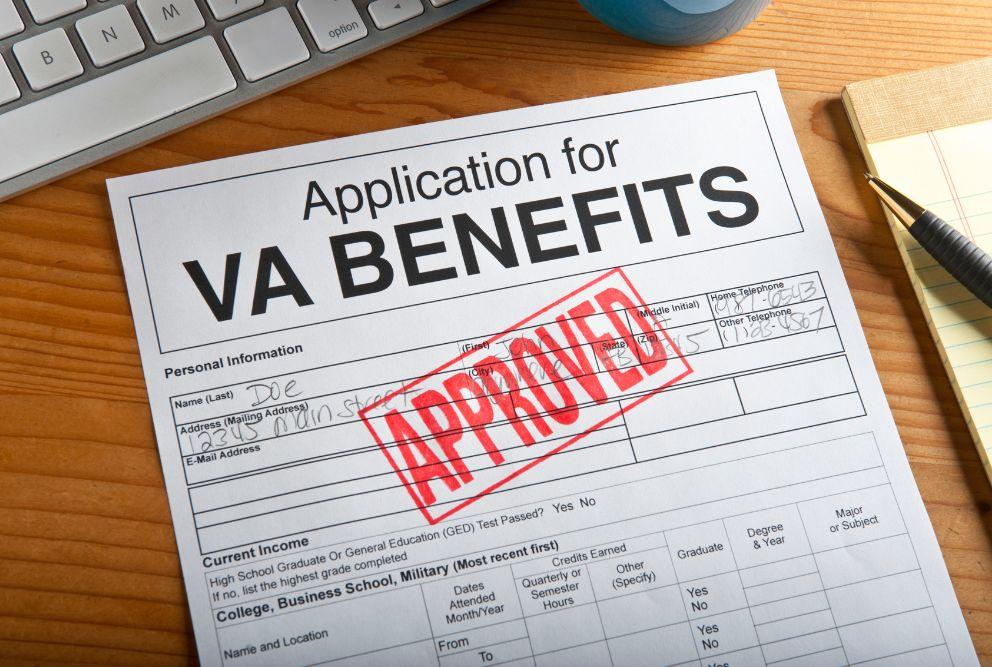
Navigating VA health care benefits feels overwhelming, but you do not have to figure it out alone. Eligibility for VA rehab programs depends on your service history and discharge status. Checking with your local VA medical center is the most important first step. Staff can clarify exactly which services you qualify for and connect you with intake coordinators.
Most veterans enrolled in VA health care have access to the full continuum of addiction treatment at no out-of-pocket cost, including outpatient counseling, IOP, residential care, and medication assisted treatment. The VA covers prescription medications used to treat addiction, including buprenorphine, methadone, and naltrexone, as part of a supervised treatment program. There are no copays for substance use treatment for most enrolled veterans, which removes one of the biggest barriers people face when seeking care.
Combining VA benefits with private health insurance and Medicaid
Financial hardship should never block you from getting help. A significant share of veterans live in low-income households and may qualify for Medicaid alongside their VA benefits. Dual coverage opens additional pathways to private, community-based care without crushing medical debt.
When you hold both VA benefits and private health insurance or Medicaid, the coverage usually coordinates this way: your private insurance is often billed first for non-service-connected care, and the VA covers remaining costs or provides services your primary insurance does not. This coordination lowers your out-of-pocket spending and expands your choices for specialized community care.
You will not lose your VA health care benefits simply because you are struggling with drug use. The VA treats addiction as a medical condition, not grounds for punishment. Severe drug-related legal convictions can affect certain financial pensions, but health care eligibility itself stays protected. Veterans seeking treatment should not let fear of losing benefits delay the call.
Access for rural Colorado veterans
Living in Colorado presents specific access challenges. Veterans in rural mountain towns and the eastern plains often face long drives to the nearest VA hospital or clinic. Distance makes standard outpatient programs hard to maintain when life, work, and weather get in the way. Expanding access through telehealth mental health and addiction treatment has become a major VA priority. Virtual care brings expert counseling, medication management, and peer support directly into your home, removing geography as a barrier to consistent treatment.
Family members and CHAMPVA
In specific cases, family members of disabled veterans may qualify for health coverage through CHAMPVA, the Civilian Health and Medical Program of the Department of Veterans Affairs. Family counseling sessions tied to your recovery are also covered through the VA itself. Eligibility depends on your service-connected disability rating and family relationship, so a quick call to your VA medical center clarifies what your loved ones qualify for.
How to start treatment with VA addiction services
Taking action is the most important part of this process. The first call is the hardest. Everything after that gets easier.
- Crisis support: If you need immediate help, call the Veterans Crisis Line at 988 and press 1, or text 838255. The service is free, confidential, and available 24/7.
- Talk to your primary care provider and request a substance use screening. They can refer you directly to the appropriate VA programs.
- Contact your local VA mental health clinic to ask about addiction intake and specialized programs for veterans.
- Verify your coverage by reaching out to our admissions team or completing our verify insurance form, which can review your VA benefits, Medicaid, or private health insurance options and explain what’s covered.
- Visit the VA website at va.gov to enroll in health care if you have not already, or to find your nearest facility.
Building lasting recovery with community partnerships in Colorado
The VA provides a solid foundation, but lasting recovery is a community effort. Transitioning out of active addiction means surrounding yourself with consistent support, accountable relationships, and people who genuinely want to see you succeed. Community-based treatment centers complement the services the VA provides, especially when wait times are long or specialized programs are unavailable at your local facility.
Red Ribbon Recovery Colorado is your community partner in this process. We work with veterans alongside their VA care, offering evidence-based therapies, outpatient rehab, family therapy, and relapse prevention programs designed around your specific needs. The active, outdoors-oriented spirit of Colorado runs through our programs because recovery should give you a life worth living, not just sobriety to maintain.
Seeking addiction treatment is a commitment to a different future. You have already shown what resilience looks like through your service. Applying that same resilience to your recovery changes what comes next. Many veterans tell us the hardest part was the first phone call. After that, the path opens up.
You deserve care that meets your exact needs, exactly where you are. Do not let confusion over benefits, paperwork, or eligibility delay your healing. Call our team at (303) 219-3980 to review your coverage, talk through your options, and start building a practical plan. Treatment is closer and more accessible than you think.
Sources
- University of Utah. (November 5, 2025). MAT-VA | Internal Medicine. Internal Medicine, University of Utah.
- U.S. Department of Veterans Affairs. (October 12, 2022). Substance Use Treatment For Veterans – VA.gov. U.S. Department of Veterans Affairs.