
Discussing veteran suicide stats can feel heavy, and it’s easy to get lost in the numbers. But behind every statistic is a human story, a family, and a community. The latest findings from the VA’s 2024 report give us a clearer picture of the challenges our veterans face, but they also point toward paths of hope and healing. It’s important to look at this data not just as numbers on a page, but as a map that can guide our efforts to support those who have served. This isn’t just about understanding a problem; it’s about finding real, compassionate ways to help.
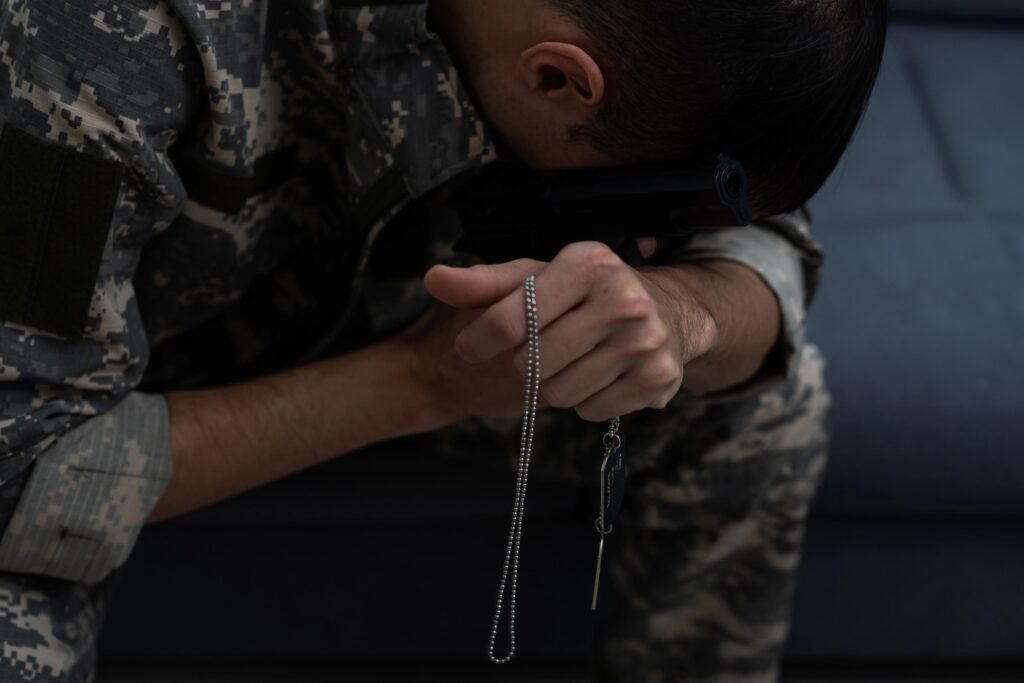
18 military veterans commit suicide every day
To understand the depth of the issue, the numbers provide a sobering starting point. According to the 2024 National Veteran Suicide Prevention Annual Report, 6,407 veterans died by suicide in 2022. That’s an average of nearly 18 deaths every single day. When we adjust for age and sex differences, the suicide rate for veterans is a staggering 71.8% higher than for non-veteran adults. Since 2001, it’s estimated that over 140,000 veterans have been lost to suicide.
These figures represent more than just data; they represent individuals who served our country. The weight of these losses is felt by families and communities nationwide, highlighting the urgent need for accessible and effective mental health support for veterans. Each number is a call to action, reminding us why understanding these trends is the first step toward meaningful prevention.
Veteran suicide prevention annual report key findings
While the overall numbers are concerning, the latest report also contains what the VA calls “anchors of hope.” These positive trends show that dedicated suicide prevention efforts are making a difference for certain groups of veterans. It’s crucial to recognize these successes, as they provide a blueprint for what’s working and where to focus future efforts.
The 2024 National Veteran Suicide Prevention Annual Report highlighted several key areas of progress, particularly from 2021 to 2022. Understanding these hopeful findings can empower us to build on effective strategies. Some of the most significant declines in suicide rates include:
- Female veterans. This group saw a remarkable 24.1% decrease in age-adjusted suicide rates.
- Younger veterans. For veterans between the ages of 18 and 34, the suicide rate decreased by 3.8%.
- Homeless veterans. There was a 19.1% reduction in suicide deaths among veterans who had experienced homelessness.
- Veterans with cancer. Those with cancer diagnoses saw a 16.7% decrease in suicide rates.These improvements suggest that targeted outreach and accessible care, like understanding if VA benefits cover rehab and mental health services, can have a life-saving impact.
Veterans at elevated risk of suicide
Despite the positive trends in some areas, certain factors continue to place many veterans at a higher risk of suicide. Understanding these specific risk factors is essential for developing effective prevention strategies and ensuring that support reaches those who need it most. Military service can involve experiences that lead to unique and profound challenges, from physical injuries to the invisible wounds of trauma.
Firearms continue to be the leading method for veterans who die by suicide
Firearms are involved in a significantly higher percentage of suicides among veterans compared to the civilian population. In 2022, 73.5% of veteran suicides involved a firearm. This is partly due to veterans’ familiarity and comfort with firearms, but it also highlights a critical area for prevention. Promoting lethal means safety, which includes practices like secure firearm storage (such as using gun locks or safes) and temporarily removing access for someone in crisis, is a proven strategy to reduce suicide risk. It creates life-saving time and space between a suicidal thought and a tragic action.
Suicide rates remain highest among veterans ages 18–34, although most veterans who die by suicide are age 55 or older
This statistic can seem confusing, but it reveals two different sides of the same challenge. The rate of suicide is highest among younger veterans, who often face immense stress while transitioning from military to civilian life, navigating new careers, and dealing with recent trauma. However, the largest total number of suicides occurs in veterans aged 50 and older, who made up 69% of veteran suicides in 2022. This older group faces different stressors, such as retirement, chronic pain, social isolation, and the long-term effects of their service.
Veterans who received mental health diagnoses had significantly elevated suicide risk
Conditions like post traumatic stress disorder (PTSD), depression, anxiety, and traumatic brain injury (TBI) are strongly linked to an increased risk of suicide. Often, these challenges are compounded by a substance use disorder, as some veterans turn to alcohol or drugs to cope with their symptoms. This overlap between mental health conditions and substance use is known as a dual diagnosis, and it requires specialized, integrated care that addresses both issues simultaneously.
If you or a veteran you care about is facing the dual challenge of mental health and substance use, you are not alone. Specialized dual diagnosis treatment centers Colorado and nationwide telehealth programs are designed to help. Contact us for a confidential assessment to learn more.
Notable advances in efforts to prevent veteran suicide
Amid the challenges, there has been significant progress in developing and implementing effective suicide prevention strategies. These advances are built on a deeper understanding of what works, combining immediate crisis support with long-term, community-based care. The focus has shifted toward a multi-faceted approach that meets veterans where they are, acknowledging that connection and proactive support are powerful tools for healing.
One of the most impactful resources is the Veterans Crisis Line. Research shows its effectiveness, with one study revealing that over 82% of users with suicidal thoughts felt the contact helped stop them from harming themselves. Furthermore, the suicide rate in the first month after contacting the crisis line was 22.5% lower in 2021 than in 2019, demonstrating its life-saving potential.
Other innovative programs like “Caring Contacts,” which sends brief, supportive messages to at-risk individuals, and community-based efforts like the Governor’s Challenge, are helping to build protective networks around veterans, fostering a sense of belonging that is crucial for recovery.
Veteran support outside of the Veterans Health Administration
Understanding the veteran suicide stats is a critical step, but the path forward is paved with action, connection, and hope. The data shows that progress is possible, especially with promising trends like the significant drop in suicide rates among female veterans. We also know that resources like the Veterans Crisis Line are incredibly effective at providing immediate, life-saving support.
This journey isn’t meant to be walked alone. Reaching out for help is a sign of incredible strength. The most important next step you can take is to connect with someone who can provide professional, compassionate care designed for the unique experiences of veterans. Help is not only available, but it also works.
If you’re looking for a top-rated alcohol rehab colorado, our team is ready to help.
At Red Ribbon Recovery Colorado, we are here to support you with evidence-based treatment that honors your service and addresses your needs. Please call us at (303) 219-3980 or contact us to learn about how we can help. Taking this step can make all the difference.
Sources
- U.S. Department of Veterans Affairs. (December 19, 2024). VA releases 2024 National Veteran Suicide Prevention Annual Report. VA News.
- U.S. Department of Veterans Affairs. (2024). 2024 National Veteran Suicide Prevention Annual Report. VA Mental Health.
- U.S. Department of Veterans Affairs. (September 14, 2018). Veteran Suicide Data and Reporting – VA Mental Health. VA Mental Health.
- Congressional Research Service. (2024). Veteran Suicide Prevention. Congress.gov.
- U.S. Department of Veterans Affairs. (September 5, 2025). Preventing Veteran Suicide – VA Health Systems Research. VA Health Systems Research.
- National Library of Medicine. (April 15, 2021). Veterans’ satisfaction and perspectives on helpfulness of …. PubMed.
- National Institutes of Health. (July 3, 2016). Caring Contacts: A Strength-based, Suicide Prevention Trial in 4 …. ClinicalTrials.gov.
- U.S. Department of Veterans Affairs. VA Mental Health. VA.
- Substance Abuse and Mental Health Services Administration. (June 9, 2023). National Helpline for Mental Health, Drug, Alcohol Issues – SAMHSA. SAMHSA.
- U.S. Department of Veterans Affairs. (February 5, 2026). VA releases annual Veteran suicide prevention report, updated with …. VA News.