

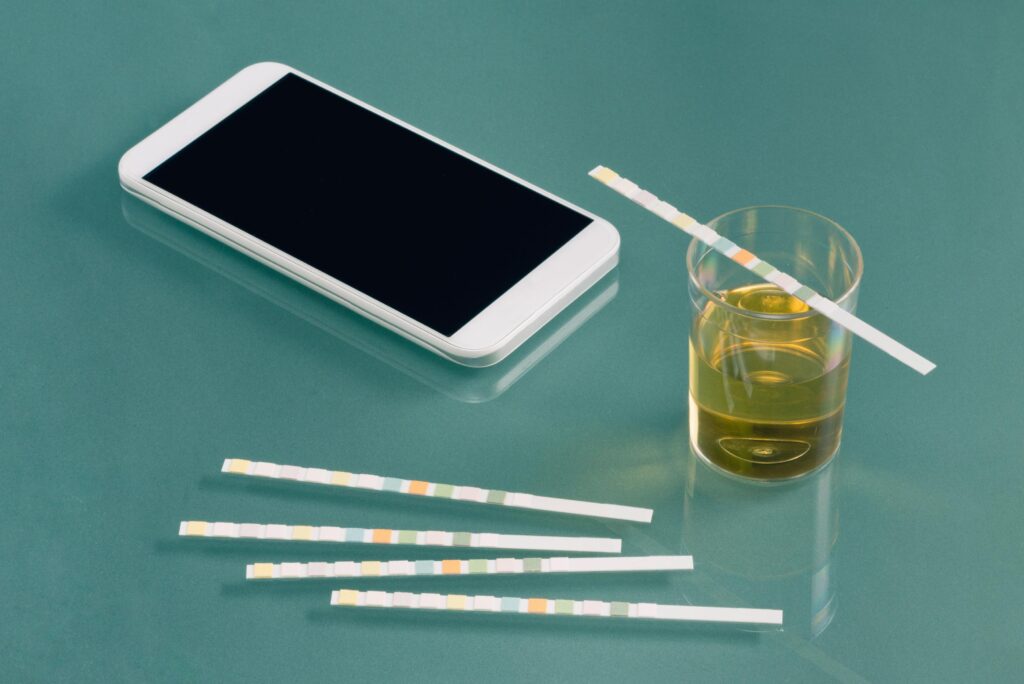
If you’ve ever been asked to take a drug test, you know it can feel intimidating. Your mind might race with questions about what it’s for, what the process is like, and what the results mean for you. It’s completely normal to feel a bit of anxiety. But what if we could look at it differently? In a healthcare setting, urine drug testing isn’t a test you pass or fail. Instead, think of it as a tool, a source of information that helps you and your care team make the best decisions for your health and recovery. It’s about clarity, honesty, and finding the most effective path forward, together.
What is a drug test?
At its core, a drug test is a simple technical process that analyzes a biological sample, such as urine, blood, or saliva, to detect specific substances. You’ve likely heard about them in various contexts, such as employment or legal matters. In those settings, the goal is often about enforcement and compliance. However, in a clinical context like addiction treatment, the purpose is entirely different. Here, it’s a supportive tool used to protect your health, ensure your safety, and help your clinician personalize your care.
Think of it as a compass for your recovery. The information from a urine drug test helps your treatment team understand what’s going on in your body, allowing them to tailor your treatment plan to exactly what you need. It’s a collaborative process, providing objective information that opens up honest conversations and helps guide you toward lasting well-being. It’s not about judgment; it’s about getting a clear picture to give you the best possible support.
When would I need a drug test?
In a clinical setting, you’d typically need a drug test for a few key reasons, all of which are designed to support your recovery. During a substance use treatment program, regular testing is a standard part of monitoring your progress. It helps ensure accountability for both you and your care team, verifying that the treatment plan is on the right track. For patients in higher levels of care, testing is an essential tool for adjusting treatment plans and ensuring a safe environment.
Testing is also crucial during an initial assessment. When you first start treatment, a test provides a clear baseline, helping your clinical team understand your substance use history. This is especially important for a dual diagnosis assessment, where understanding the interplay between substance use and mental health conditions is key to creating an effective plan. Ultimately, drug testing is a collaborative part of the recovery process, providing valuable insights that help your team support you in the most effective way possible.
What are the types of drug tests?
While urine testing is the most common, there are several types of drug tests, each with its own specific use. Blood tests are typically used in emergency situations to detect current impairment, as their detection window is very short, often just a few hours. Saliva tests also have a short detection window of about one to two days and are useful for detecting very recent use. On the other end of the spectrum, hair tests can provide a long-term history of substance use, with a detection window of up to 90 days or more.
So, why is urine drug testing the standard in most clinical and recovery settings? It strikes the perfect balance. It’s non-invasive, cost-effective, and offers a reliable detection window that’s ideal for monitoring progress in treatment, typically detecting substances used within the last one to seven days. This timeframe provides relevant information about recent use without being as immediate as a blood test or as historical as a hair test, making it a practical and effective tool in the context of drug addiction treatment.
What should I expect during a drug test?
Knowing what to expect can help ease any worries you might have about the urine collection process. The procedure is straightforward, professional, and designed to be as comfortable as possible while ensuring sample integrity. It all takes place in a private clinical restroom, and every step is handled with respect for your confidentiality.
A trained clinician or technician will guide you through the procedure. You’ll be asked to wash your hands before providing the sample. To prevent tampering, the restroom water sources will be secured, and you’ll be asked to leave personal belongings outside. You’ll then provide a urine sample in a sterile collection cup up to a marked line. The clinician will check the specimen’s temperature and volume to ensure it’s valid. The entire process is handled in accordance with strict protocols, including HIPAA regulations, to protect your privacy and ensure accurate, reliable results.
How do I prepare for a drug test?
Preparing for a urine drug test is simple, but a few key steps can help ensure accurate results. The most important thing you can do is be open and honest with the clinician conducting the test. Here’s what you should keep in mind:
- Disclose all medications and supplements. Before your test, make a list of everything you’re taking. This includes prescription medications, over-the-counter drugs (such as cold medicine or pain relievers), and vitamins or herbal supplements. Some of these can cause a false-positive result, and letting your clinician know beforehand helps them accurately interpret the findings, especially if you’re receiving treatment for prescription drug addiction.
- Stay normally hydrated. Drink your usual amount of water before the test. It’s a myth that drinking excessive amounts of water can “flush out” substances. In reality, it can lead to a dilute sample, which means the urine is too watered down to be tested. A dilute result is considered invalid, and you’ll likely be asked to provide another sample.
- Follow instructions carefully. The clinician will give you specific instructions for collecting the specimen. Following them closely helps ensure the sample is viable and the process goes smoothly.
What will a drug test detect?
A urine drug test doesn’t detect the drug itself but rather its metabolites, the substances your body creates as it processes the drug. The most common type of screening is the SAMHSA-5 panel, which is a standard test that looks for five categories of drugs. These are:
- Amphetamines (including methamphetamine)
- THC (the active component in cannabis)
- Cocaine
- Opioids (like heroin, codeine, and morphine)
- Phencyclidine (PCP)
Depending on the clinical need, the panel can be expanded to detect other substances. These often include benzodiazepines (like Xanax or Valium), barbiturates, methadone, and synthetic opioids like fentanyl. The specific substances tested for will align with your treatment plan and history. The detection window, how long a substance is detectable in your urine, varies depending on the drug, how much was used, and your individual metabolism. Below is a table of common substances and their approximate detection windows.
| Substance | Approximate detection window (occasional use) | Approximate detection window (chronic/heavy use) |
|---|---|---|
| Amphetamines | Up to: 4 days | Up to: 1 week |
| Benzodiazepines | Up to: 3-7 days | Up to: 4-6 weeks |
| Cocaine | Up to: 2-4 days | Up to: 1-2 weeks |
| Marijuana (THC) | Up to: 3-7 days | Up to: 30+ days |
| Opioids | Up to: 2-4 days | Up to: 1 week |
What do the results of a drug test mean?
After you provide a sample, you’ll get a result that falls into one of three categories: positive, negative, or inconclusive. It’s important to understand what each of these means in a clinical setting, without judgment. A negative result means no detectable level of the tested substances was found. A positive result means the test detected the presence of a drug metabolite. An inconclusive or invalid result might happen if the sample was too dilute or showed signs of tampering, which would require a re-test.
A key part of the process is understanding that a positive result from an initial screening is not the final word. The first test, called an immunoassay, is a rapid screening method. It’s fast and effective but can sometimes produce false positives. That’s why any positive screen is sent for a second, more definitive test called Gas Chromatography-Mass Spectrometry (GC-MS). This confirmatory test is highly accurate and can distinguish between different substances to rule out false positives. This two-step process ensures that the interpretation of your results is as precise as possible, and it’s a standard part of the urine collection and testing procedures in treatment programs.
Understanding a positive drug test result
Seeing a positive drug test result can feel discouraging, but in a therapeutic setting, it’s treated as a data point, not a failure. It’s an opportunity for an honest conversation with your clinician. A positive result isn’t a reason for punishment; it’s a signal that your treatment plan might need an adjustment to better support you. It opens a dialogue about what’s happening in your life, what challenges you’re facing, and how your team can help you get back on track.
It’s also important to remember that false positives can happen. Common things like poppy seeds, certain cold medicines, or even some prescription drugs can trigger a positive result on an initial screen. This is exactly why confirmatory testing is so critical. A GC-MS test will clarify whether the result was due to a substance of concern or to cross-reactivity with something harmless. This ensures that any decisions made about your treatment plan are based on accurate, verified information.
Understanding a negative drug test result
A negative drug test result is something to be proud of. It serves as objective confirmation of your hard work and commitment to recovery. Think of it as a milestone that reinforces the positive progress you’re making. It shows that your current treatment plan is effective and that you are successfully building the skills and habits needed for lasting sobriety. Seeing that negative result can be a powerful motivator, providing tangible evidence of your adherence to your goals and strengthening your confidence in your ability to maintain recovery.
While less common, it’s also possible to get a false-negative result. This could happen if a substance was used outside its detection window or if the test panel didn’t include a specific drug that was used. However, the overall tone of a negative result is encouraging. It’s a moment to acknowledge your dedication and to continue moving forward with the strategies that are clearly working for you.
Don’t be anxious about random drug testing
If there’s one thing to take away, it’s that urine drug testing in a recovery setting is not something to fear. When you understand the process and its purpose, you can see it for what it is: a valuable and supportive tool designed to help you succeed. It’s not about passing or failing; it’s about gaining clarity. It fosters trust between you and your care team and provides the objective insights needed to create the most effective, personalized path toward a future free from addiction.
Remember, in a clinical setting, these results are used to personalize your care, not to punish. This information opens a dialogue with your team, helping you adjust your plan for the best chance of success. A concrete next step is to write down a list of all medications and supplements you take, so you’re prepared for an open conversation with a clinician.
If you’re looking for a top-rated alcohol rehab colorado, our team is ready to help.
If you have more questions or are ready to explore your treatment options, our compassionate team at Red Ribbon Recovery Colorado is here to help. You can reach out by calling (303) 219-3980 or by getting in touch through our contact page for a confidential conversation about your path forward.
Sources
- National Institute on Drug Abuse (NIDA). (November 21, 2023). Drug Testing. National Institute on Drug Abuse.
- Substance Abuse and Mental Health Services Administration (SAMHSA). (July 29, 2021). The ASAM Appropriate Use of Drug Testing Consensus Document. Substance Abuse and Mental Health Services Administration.
- Substance Abuse and Mental Health Services Administration (SAMHSA). (August 25, 2025). Medications for Substance Use Disorders. Substance Abuse and Mental Health Services Administration.
- Worley, M. J. M. (May 22, 2019). A comparison of the utility of urine- and hair testing in detecting self-reported drug use in a community sample of young adults. Addiction, 114(11), 1981–1990.
- Substance Abuse and Mental Health Services Administration (SAMHSA). (February 1, 2024). Collection Site Manual 2024 – Urine. Substance Abuse and Mental Health Services Administration.
- University of California, Davis Health. (January 17, 2017). Laboratory Best Practice. University of California, Davis Health.
- National Center for Biotechnology Information (NCBI). (January 1, 1999). Appendix B. Urine Collection and Testing Procedures and Implementation Guidelines for Treatment Programs. National Center for Biotechnology Information.
- Maryland Department of Health. (May 29, 2019). IOP/PHP Drug testing. Maryland Department of Health.
- Substance Abuse and Mental Health Services Administration (SAMHSA). (March 20, 2017). Drug Metabolites and Hair Testing. Substance Abuse and Mental Health Services Administration.
- Flanagan, R. J., Connally, G., Evans, R., Nation, R., & Widdop, B. (October 10, 2005). Drug screening and confirmation by GC-MS: comparison of EMIT II and DRI opiate assays. Journal of Analytical Toxicology, 29(6), 499–503.
- Maryland Department of Health. (June 20, 2025). Substance Use Disorder Treatment Outcomes. National Institutes of Health.
- National Association of Addiction Treatment Providers (NAATP). Addiction Treatment Outcomes & Surveys. Addiction Treatment Outcomes & Surveys. National Association of Addiction Treatment Providers.