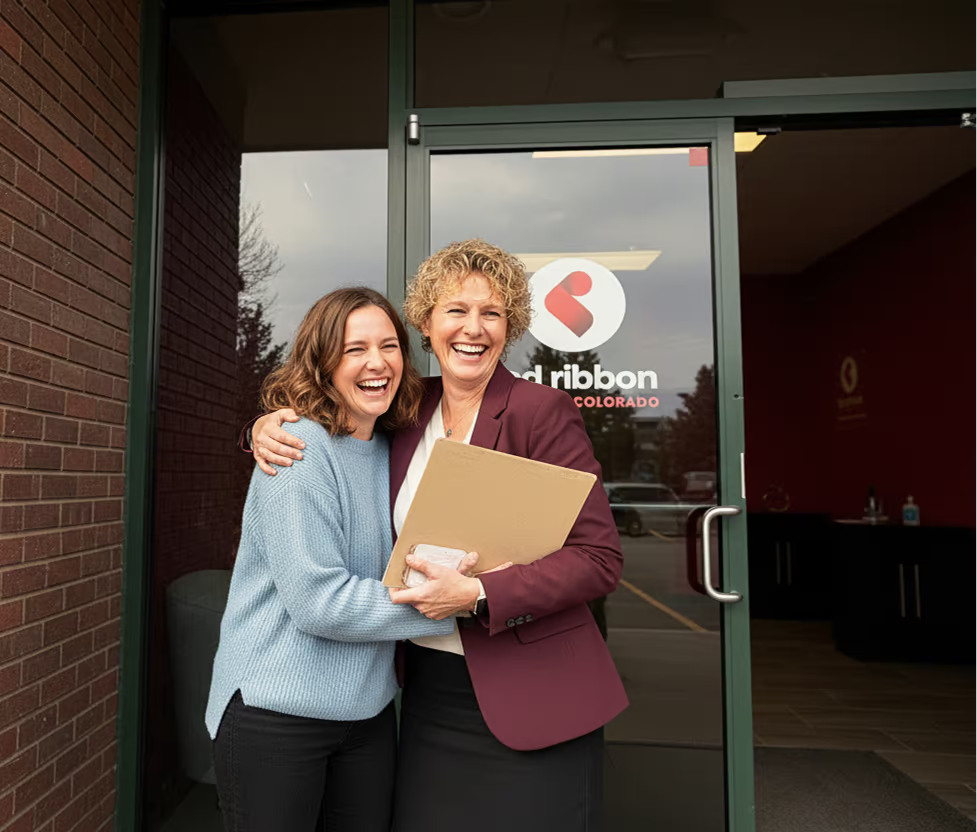


When your loved one comes home from rehab, it can feel like you’re holding your breath. You’re filled with hope, but maybe a little uncertainty, too. You want to do everything right to support their recovery journey. Knowing the best ways to welcome them back can make all the difference in creating a positive and stable environment for healing. It’s about finding the balance between providing loving support and fostering their independence. These welcome home from rehab ideas are designed to help you navigate this new chapter with confidence and care, setting the stage for lasting change.
Create a sober environment
Creating a safe, sober environment is the most important first step you can take. A person’s surroundings can have a huge impact on their ability to avoid relapse, especially in early recovery. By clearing the home of potential triggers, you’re not just cleaning house; you’re showing your loved one that you are committed to their well-being. This powerful act of support makes the home a true sanctuary for healing. Think of it as preparing a safe harbor where they can focus on their sobriety without unnecessary challenges.
- Remove all substances. Go through the entire house and get rid of any alcohol, non-prescribed drugs, or related paraphernalia. This includes clearing out old stashes, emptying the liquor cabinet, and even checking medicine cabinets for leftover prescriptions.
- Secure necessary medications. If anyone in the household needs prescription medications, keep them in a lockbox. This simple step prevents potential misuse and removes temptation.
- Create a drug and alcohol-free zone. Make it clear to friends and family that your home is now a substance-free space. This helps protect your loved one’s recovery and sets a clear boundary for everyone. Research shows that risky substance use environments can significantly increase the chances of relapse.
Encourage new interests
Before rehab, your loved one’s life may have revolved around substance use, leaving a significant void that now needs to be filled with positive and healthy activities. Encouraging new hobbies helps them rediscover joy and build a fulfilling life in sobriety. Participating in these activities with them can create new, happy memories and strengthen your relationship. It’s a way to show that fun doesn’t have to involve alcohol or drugs. This exploration helps them build a new identity rooted in who they are, not their past addiction.
- Explore outdoor activities. Things like hiking, biking, or simply walking in a park can be incredibly therapeutic. Some treatment approaches even include adventure therapy to harness the healing power of nature.
- Get creative. Art, music, cooking classes, or writing can provide a healthy outlet for emotions that come up during the recovery process.
- Join a community group. Volunteering for a cause they care about, joining a local sports league, or finding a book club can help them connect with sober friends and build a supportive social network.
- Make it a family affair. Suggesting activities you can do together, like trying a new recipe each week or training for a 5K, reinforces your support and makes the experience less intimidating.
Support ongoing treatment
Returning home is a significant milestone, but it’s a step in the recovery journey, not the final destination. Lasting sobriety requires ongoing effort and support. Continuing care, such as outpatient programs, therapy, and support groups, is critical for building on the progress made in rehab. Your encouragement can make a huge difference in their commitment to these next steps. Practical support, like offering a ride to a meeting or respecting their time for therapy, shows that you understand and value their hard work. Therapies like CBT or DBT, often used in intensive outpatient program Colorado, provide essential coping skills for long-term success with a substance use disorder.

What not to do
When a loved one returns from rehab, what you don’t do can be just as important as what you do. Avoiding common pitfalls helps maintain healthy boundaries and supports their independence in recovery. It’s easy to fall into old patterns, but being mindful of these behaviors can prevent unnecessary challenges and strengthen your family dynamic.
Don’t dwell on the past
It’s natural to have unresolved feelings about past events, but bringing up mistakes can trigger intense shame and guilt, which are powerful drivers of relapse. Focus on the present and the future. Healing happens when you both look forward, not back. This doesn’t mean you ignore your own feelings, but it’s important to work through them in a healthy way, perhaps with your own therapist or support group. Rebuilding trust takes time, and a forward-looking perspective centered on healing will strengthen your relationship.
Avoid enabling behaviors
Enabling means shielding someone from the natural consequences of their actions. It often comes from a place of love, but it undermines their recovery. Examples include making excuses for their behavior, giving them money without accountability, or failing to enforce the rules of the sober home. Setting firm boundaries isn’t about punishment; it’s an act of love. It empowers them to take ownership of their addiction recovery and develop the skills they need to navigate life’s challenges without substances. Healthy boundaries are crucial for both of your well-being.
Don’t neglect self care
When welcoming a loved one home from rehab, it’s easy to focus all of your attention on their recovery, but it’s just as important to care for your own well being. Supporting someone through substance use disorders and the ups and downs of recovery can be emotionally demanding, so maintaining self care helps you stay balanced and present. Prioritizing your mental health, getting enough rest, eating nutritious foods, and keeping a healthy routine can help you reduce stress and avoid burnout. Some family members also benefit from support groups, family therapy, or other additional support that offers guidance during this transitional period. Recovery is a lifelong journey, and when you care for your own well being, you strengthen the supportive environment that helps your loved one continue building a healthier life.
Frequently asked questions
After addiction treatment, ongoing support plays a vital role in maintaining sustained recovery. Family members can help by encouraging the person to attend support group meetings, continue therapy sessions, and stay connected with aftercare programs. These programs often provide professional guidance, coping strategies, and community support. A strong support system helps people stay focused on recovery goals and navigate recovery during the early stages of returning home.
Many people recovering from substance use disorders benefit from continued peer support. When someone chooses to join support groups or attend regular support group meetings, they gain access to others who understand the recovery journey. These groups offer accountability, shared experiences, and encouragement during emotional ups and downs. This type of ongoing support can help individuals stay motivated and maintain healthier habits over time.
Families can support recovery by encouraging a healthy lifestyle and building a stable daily routine. This might include preparing nutritious foods, encouraging regular exercise, and practicing mindfulness techniques to reduce stress. Creating a healthy routine that supports both physical health and mental health can help the person stay focused and balanced as they rebuild their life after substance use.
Setting realistic expectations and maintaining healthy boundaries are important for everyone involved. Families should avoid enabling behaviors while continuing to offer emotional support. Encouraging honest conversations and helping the person identify triggers can strengthen trust and accountability. Recovery is a lifelong journey, and clear boundaries combined with compassion help create a safe and supportive path forward.
Your partner in the journey to lasting recovery
Welcoming a loved one home is a journey of hope, patience, and compassion. Remember to create a safe home, encourage positive new habits, support their ongoing care, set healthy boundaries, and, most importantly, take care of yourself. Recovery is a marathon, not a sprint, and there will be ups and downs. Your steady, informed support is one of the most powerful tools they have. You are not alone in this process. With the right resources and mindset, your family can navigate this path toward lasting healing and build a stronger future together.
If you’re looking for a top-rated alcohol rehab colorado, our team is ready to help.
If you have questions about continuing care options, from outpatient programs to family support, we’re here to help. Call us at (303) 219-3980 to speak with a compassionate specialist. At Red Ribbon Recovery Colorado, we believe in providing comprehensive addiction treatment and support for the entire family. You don’t have to walk this path alone. Contact us today.
Sources
- National Center for Biotechnology Information (NCBI). (June 18, 2016). Risky Substance Use Environments and Addiction. PubMed Central.
- National Center for Biotechnology Information (NCBI). (February 28, 2021). Personal and Environmental Social Capital Predictors of Relapse. PubMed Central.
- Substance Abuse and Mental Health Services Administration (SAMHSA). Client’s Handbook: Matrix Intensive Outpatient Treatment for People With Stimulant Use Disorders. SAMHSA.
- National Center for Biotechnology Information (NCBI). (July 21, 2023). Addiction Relapse Prevention. StatPearls – NCBI Bookshelf.
- Substance Abuse and Mental Health Services Administration (SAMHSA). (June 9, 2023). National Helpline for Mental Health, Drug, Alcohol Issues. SAMHSA.
- Substance Abuse and Mental Health Services Administration (SAMHSA). (August 12, 2025). Substance Use Disorder – Causes, Symptoms, Treatment & Help. SAMHSA.
- Substance Abuse and Mental Health Services Administration (SAMHSA). (November 26, 2025). Recovery and Support. SAMHSA.
- Substance Abuse and Mental Health Services Administration (SAMHSA). (December 22, 2025). Co-Occurring Disorders and Other Health Conditions. SAMHSA.
- National Center for Biotechnology Information (NCBI). (May 24, 2024). Enhancing Substance Use Disorder Recovery through Integrated Exercise Interventions. PubMed Central.
- National Center for Biotechnology Information (NCBI). (July 16, 2024). The Changing Relationship Between Hobby Engagement and Substance Use Across Adulthood. PubMed Central.
- Louisiana Department of Health. (January 1, 2025). Medical Transportation. Louisiana Department of Health.
- North Carolina Department of Health and Human Services. (May 1, 2025). Non-Emergency Medical Transportation (NEMT). NC Medicaid.
- National Center for Biotechnology Information (NCBI). (January 21, 2021). Impact of Continuing Care on Recovery From Substance Use Disorders. PubMed Central.
- National Center for Biotechnology Information (NCBI). (August 1, 2003). Continuing Care Research: What We’ve Learned and Where We’re Going. PubMed Central.
- National Center for Biotechnology Information (NCBI). (January 1, 2018). Chapter 3—Family Counseling Approaches. NCBI Bookshelf.
- National Center for Biotechnology Information (NCBI). (June 30, 2016). Family Dynamics May Influence an Individual’s Substance Use Disorder Treatment Outcomes and Relapse Risks. PubMed Central.
- National Center for Biotechnology Information (NCBI). (January 1, 1997). The Impact of Substance Use Disorders on Families and Children: From Theory to Practice. PubMed Central.
- National Center for Biotechnology Information (NCBI). (March 1, 2022). Predictors of Caregiver Burden in Family Caregivers of Male Patients with Opioid Use Disorder. PubMed Central.
- National Center for Biotechnology Information (NCBI). (July 21, 2025). Caregiver substance use among families in the U.S. child welfare system. PubMed Central.
- National Center for Biotechnology Information (NCBI). (January 1, 2019). Study of family burden in substance dependence: A tertiary care centre based study. PubMed Central.
- Substance Abuse and Mental Health Services Administration (SAMHSA). (October 1, 2013). Family Therapy Can Help: For People in Recovery From Mental Illness or Addiction. SAMHSA.
- Substance Abuse and Mental Health Services Administration (SAMHSA). (December 23, 2025). Mental Health Coping Resources for Children and Families. SAMHSA.
- Substance Abuse and Mental Health Services Administration (SAMHSA). (January 1, 2014). What Is Substance Abuse Treatment? A Booklet for Families. SAMHSA.