Body aches after drinking alcohol can sometimes reflect more than temporary dehydration or a difficult hangover. Alcoholic myopathy is a form of skeletal muscle injury associated with heavy or prolonged alcohol use. It may develop suddenly after binge drinking or gradually with chronic alcohol use, causing symptoms such as muscle soreness, weakness, tenderness, cramping, or loss of muscle mass. Alcohol affects muscle tissue in several ways, including disrupting protein synthesis and normal muscle repair. In more severe acute cases, rapid muscle breakdown can lead to rhabdomyolysis and kidney complications. Recognizing the pattern of symptoms can help distinguish occasional discomfort after drinking from a muscle problem that needs medical evaluation.
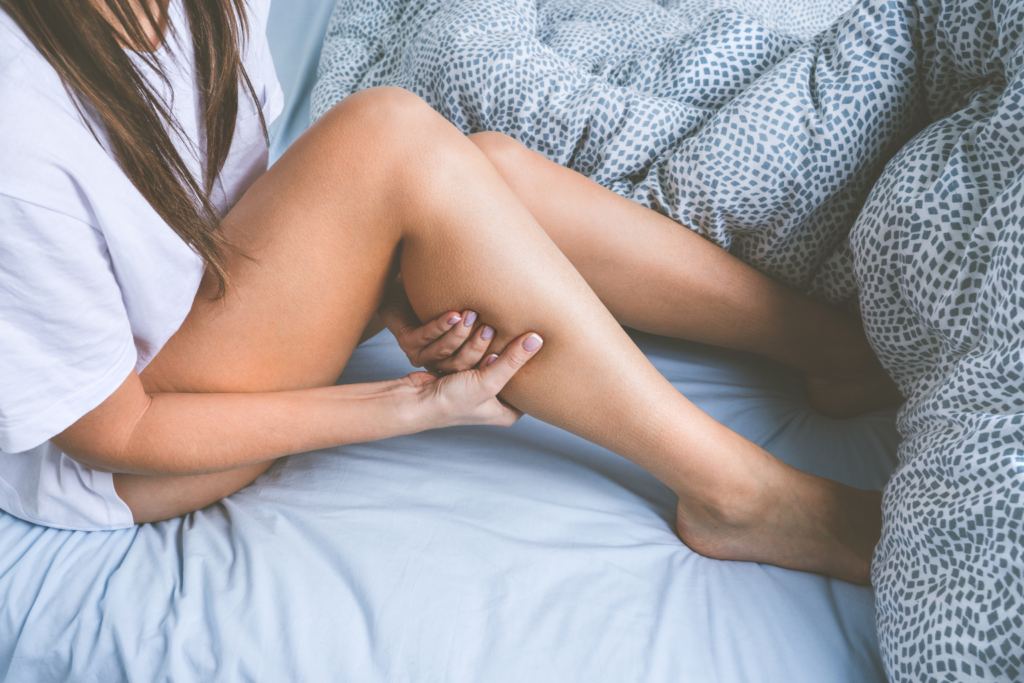
What is alcoholic myopathy?
Alcoholic myopathy refers to muscle dysfunction associated with heavy alcohol exposure. It is one of the musculoskeletal complications that may occur alongside an alcohol use disorder.
Alcoholic myopathy is generally divided into two forms.
| Feature | Acute alcoholic myopathy | Chronic alcoholic myopathy |
|---|---|---|
| Onset | Sudden, sometimes after binge drinking | Gradual, usually with prolonged heavy alcohol use |
| Common symptoms | Muscle pain, tenderness, swelling, weakness | Progressive weakness and loss of muscle mass |
| Areas often affected | Pelvic and shoulder muscles | Hips, thighs, shoulders, and other proximal muscles |
| Major concern | Rhabdomyolysis and kidney injury | Long-term muscle wasting and reduced function |
The condition can affect muscle strength, muscle mass, and the body’s ability to repair muscle fibers after normal physical activity. Chronic alcoholic myopathy is considerably more common than the acute form.
Alcoholic myopathy symptoms
Alcoholic myopathy symptoms differ depending on whether muscle injury is acute or chronic. Muscle weakness is common to both forms, but pain is generally more prominent in acute episodes.
Acute alcoholic myopathy symptoms
Acute alcoholic myopathy may develop within hours or days after a heavy episode of drinking alcohol. It can occur after binge drinking and may involve rapid injury to muscle tissue.
Possible symptoms include.
- Muscle soreness or pain. Muscles may feel unusually painful or tender.
- Swelling. Affected areas can swell after significant muscle injury.
- Sudden muscle weakness. Standing, walking, or lifting may become more difficult.
- Dark urine. Tea- or cola-colored urine can occur when damaged muscle fibers release myoglobin.
- Reduced physical function. Normal physical activity may suddenly feel much harder.
Acute alcoholic myopathy can be associated with rhabdomyolysis, a serious condition in which muscle tissue breaks down rapidly. Released muscle proteins can damage the kidneys and, in severe cases, contribute to acute kidney failure.
Chronic alcoholic myopathy symptoms
Chronic alcoholic myopathy develops more gradually, typically after prolonged heavy alcohol consumption. Rather than severe sudden pain, the dominant problem is usually progressive muscle weakness.
Symptoms may include.
- Loss of muscle strength. Weakness often affects muscles around the hips, thighs, and shoulders.
- Reduced muscle mass. Muscle tissue may gradually shrink or become less defined.
- Difficulty with everyday movement. Climbing stairs, rising from a chair, or carrying objects can become harder.
- Fatigue with physical exertion. Muscles may tire more quickly during routine activity.
- Muscle cramps or occasional discomfort. Some people develop cramping or intermittent soreness.
Chronic alcohol-related myopathy is commonly associated with proximal muscle weakness, meaning muscles closer to the center of the body are affected more prominently.

You can overcome addiction. Reach out to discover:
Why legs ache and muscles hurt after drinking alcohol
Not every episode of sore muscles after drinking means someone has alcoholic myopathy. Alcohol can also contribute to temporary muscle discomfort through dehydration, disrupted sleep, physical exertion, and changes in electrolyte balance.
Alcohol use may increase fluid loss, while vomiting, inadequate food intake, or heavy sweating can further affect essential electrolytes such as potassium and magnesium. Electrolyte imbalances can disrupt muscle function and contribute to muscle cramps or weakness.
If someone’s legs ache after drinking only occasionally and symptoms resolve quickly, the cause may be different from chronic alcoholic myopathy. Persistent weakness, prolonged soreness, repeated cramps, visible muscle loss, or progressively worsening symptoms warrant medical evaluation.
How alcohol affects muscle tissue and muscle repair
Alcohol affects skeletal muscle through several overlapping mechanisms. Current alcohol research points most consistently to impaired protein synthesis, altered protein breakdown, mitochondrial changes, inflammation, and reduced regenerative capacity.
Alcohol and protein synthesis
Muscle growth and muscle recovery depend on a balance between creating new proteins and breaking down older muscle tissue.
Heavy alcohol exposure can suppress muscle protein synthesis, including pathways involving mTOR, an important regulator of muscle growth and repair. Research has reported reductions in muscle protein synthesis of roughly 25% to 35% under some acute and chronic alcohol-exposure conditions, although the exact effect varies by dose, population, and study design.
Over time, impaired protein synthesis can make it harder for muscle fibers to maintain normal mass and recover after physical activity.
Alcohol metabolism, inflammation, and cellular stress
Alcohol metabolism produces compounds such as acetaldehyde and contributes to oxidative stress throughout the body. Alcohol-related changes in inflammatory signaling and cellular metabolism may further interfere with normal muscle maintenance.
Research also suggests that both acute and chronic alcohol use can alter mitochondrial function and other pathways involved in energy production and muscle repair, although not every mechanism is fully understood in humans.
That distinction matters because alcoholic myopathy is not caused by one isolated biochemical problem. It appears to result from several interacting effects of prolonged or heavy alcohol exposure.
OUR PROCESS
1
Get in touch
with us2
Do a free
assessment3
Review your
insurance4
Start your
addiction treatment
Chronic alcohol use and loss of muscle mass
Chronic alcohol use can gradually reduce muscle mass by interfering with the body’s ability to maintain and rebuild muscle tissue.
Research consistently links chronic heavy alcohol intake with reduced protein synthesis and progressive weakness, particularly in proximal muscles. NIAAA notes that chronic skeletal muscle myopathy is characterized by progressive weakness and atrophy and affects approximately 50% of people with alcohol use disorder.
Alcohol may also affect how muscle tissue responds to nutrients, hormones, and physical activity. This can mean that even when someone eats protein or exercises, the normal muscle-growth response may be reduced.
Nutrition, B vitamins, and proper muscle function
Nutritional problems often accompany chronic heavy alcohol use and can compound muscle weakness.
People who drink heavily may consume fewer nutrient-dense foods, and alcohol-related gastrointestinal or liver problems can interfere with the way nutrients are processed. Deficiencies involving thiamine and other B vitamins, protein, magnesium, potassium, or vitamin D may affect nerve signaling, energy metabolism, muscle contraction, and overall physical function.
Nutrition alone does not explain alcoholic myopathy, however. Research shows that alcohol can alter skeletal muscle protein metabolism even when inadequate calorie or protein intake is not the primary cause.
That is why alcoholic myopathy is better understood as a combination of direct alcohol-related effects and other contributing factors rather than simply a vitamin deficiency.
Alcohol use disorder, liver disease, and other risk factors
Alcoholic myopathy becomes more likely as cumulative alcohol exposure increases. Chronic heavy alcohol use is the clearest risk factor, but other health conditions can influence muscle strength and recovery.
Factors that may contribute include.
- Long-term heavy alcohol consumption. Greater cumulative exposure is associated with chronic alcoholic myopathy.
- Alcohol use disorder. Myopathy is substantially more common among people with AUD than in the general population.
- Liver disease. Cirrhosis and other alcohol-related illnesses can coexist with substantial loss of skeletal muscle.
- Poor nutritional status. Inadequate protein, vitamins, or essential electrolytes may worsen muscle dysfunction.
- Repeated binge drinking. Someone with chronic myopathy may also experience acute episodes of muscle injury after a binge.
- Low physical activity. Reduced movement can further contribute to loss of muscle strength.
- Other medical conditions. Metabolic disease, neurological disorders, autoimmune disease, vascular conditions, or medication effects can produce similar symptoms.
Because many conditions can cause muscle weakness or body aches, alcohol use alone should not automatically be assumed to be the explanation.
Free Insurance Check
Our rehab center accepts most insurance plans.
Check if your insurance will cover the cost of treatment by filling out our confidential insurance form. We accept most insurance plans.

When dark urine or severe muscle pain needs medical attention
Dark urine combined with severe muscle pain, swelling, or sudden weakness can signal rhabdomyolysis rather than ordinary post-drinking soreness.
Rhabdomyolysis involves rapid destruction of muscle fibers and release of cellular contents into the bloodstream. In severe cases, this can damage the kidneys and lead to acute kidney failure. Acute alcohol-related myopathy is recognized as an important cause of nontraumatic rhabdomyolysis.
Medical evaluation is particularly important when symptoms include.
- dark or tea-colored urine
- severe or rapidly worsening muscle pain
- significant swelling
- sudden loss of muscle strength
- difficulty walking or standing
- reduced urine output
- irregular heartbeat or severe weakness
- symptoms that persist or worsen rather than resolving
Those symptoms deserve evaluation rather than being treated as a routine hangover.
Medical treatment for alcohol-induced muscle problems
Medical treatment depends on whether alcoholic myopathy is acute or chronic and whether complications are present.
Acute alcohol-induced muscle injury may require laboratory testing to measure muscle enzymes, kidney function, and electrolyte balance. When rhabdomyolysis is present, treatment may involve fluid replacement and close monitoring because severe muscle breakdown can contribute to kidney failure and dangerous electrolyte changes.
Chronic alcoholic myopathy is usually less dramatic but may require evaluation of muscle strength, nutrition, liver health, and the pattern of alcohol use. Other conditions that can produce weakness, including neurological, metabolic, vascular, or autoimmune disease, may also need to be considered.
Treatment therefore targets both the muscle problem and whatever is contributing to it, rather than simply treating soreness.
Restoring hydration and electrolyte balance
Fluid replacement and correction of electrolyte imbalances may be part of medical treatment when dehydration, vomiting, or nutritional problems are contributing to muscle cramps or weakness. Magnesium, potassium, calcium, and other electrolytes support muscle contraction, nerve signaling, and heart function. Hydration may ease some short-term physical discomfort, but it does not treat alcoholic myopathy by itself.
Stopping alcohol and allowing muscle repair
Reducing alcohol’s presence in the body is central to allowing damaged muscle tissue to recover. Continued heavy drinking can interfere with protein synthesis and muscle repair, while stopping alcohol removes an important contributor to ongoing injury.
For someone with significant alcohol dependence, however, suddenly stopping can cause alcohol withdrawal. A medical assessment may be appropriate before stopping, particularly when there is a history of withdrawal symptoms, seizures, delirium tremens, or prolonged heavy alcohol use.
Once alcohol exposure ends, muscle recovery can begin. Acute alcoholic myopathy may improve over days to weeks when complications are appropriately managed. Chronic alcoholic myopathy generally improves more gradually, and recovery can extend over several months. Recovery depends on the duration and severity of alcohol use, nutrition, liver health, physical condition, and other medical factors.
WE ARE AVAILABLE 24/7
Request a call for answers and help.
If you or someone you care about is struggling with addiction or mental health problems, request a call to speak with a knowledgeable treatment specialist. Our team is here to help you understand your options for care. There is no cost or obligation to enter treatment by requesting a call.
"*" indicates required fields
Supporting muscle strength during recovery
Rebuilding muscle function is usually gradual. Nutrition, appropriate physical activity, and treatment of underlying deficiencies can all influence recovery.
Helpful components may include.
- Adequate nutrition. Protein, B vitamins, and other nutrients support the body’s ability to maintain and rebuild muscle tissue.
- Progressive physical activity. Once medically appropriate, gentle movement can support circulation, mobility, and conditioning.
- Physical therapy. Persistent weakness or difficulty with movement may warrant structured rehabilitation.
- Management of underlying illness. Liver disease, metabolic disease, nutritional deficiencies, or other medical conditions may delay recovery.
- Time away from heavy alcohol use. Continued alcohol exposure can interfere with muscle growth and repair.
Gentle exercise may promote blood flow, but do not use it to push through severe pain, swelling, dark urine, or suspected rhabdomyolysis. Those symptoms require medical evaluation before returning to strenuous physical activity.
Addressing alcohol addiction for lasting recovery
When alcoholic myopathy develops alongside an alcohol use disorder, lasting recovery involves more than relieving muscle cramps or restoring electrolyte balance. The pattern of alcohol use itself also needs attention.
Alcohol treatment programs may address cravings, repeated heavy drinking, difficulty stopping, and the behavioral or emotional factors that contribute to continued alcohol use.
When mental health concerns occur alongside alcohol addiction, dual diagnosis treatment centers Colorado may be relevant for addressing both concerns together.
The appropriate level of rehab in Colorado depends on factors such as alcohol use severity, withdrawal risk, physical health, mental health needs, and available support outside treatment.
Choosing support after medical stabilization
Someone recovering from alcoholic myopathy may need different levels of structure depending on how alcohol use has affected their health and daily life.
After urgent medical problems are addressed, options may include PHP Colorado, an intensive outpatient program Colorado, or outpatient rehab Colorado.
Behavioral therapy, nutritional care, medical follow-up, physical therapy when appropriate, and peer support may also become part of recovery. The goal is to address the alcohol use disorder while giving muscle tissue and overall physical health time to improve.
Rehab might feel like a big step, but remember why you're here—you’re looking for a way forward. We can help.
Moving forward after alcohol-induced muscle damage
Persistent body aches, weakness, muscle loss, or repeated soreness after drinking deserve attention rather than being dismissed as an inevitable consequence of alcohol use. Severe pain, swelling, dark urine, or sudden weakness requires prompt medical evaluation, while longer-term recovery may involve addressing both physical health and the pattern of alcohol use contributing to the problem.
Red Ribbon Recovery Colorado provides educational information about alcohol use, addiction, and recovery in Colorado. Contact us by calling (303) 219-3980 with questions about alcoholic myopathy, alcohol use disorder, treatment options, and recovery support.
We are here to help you or a loved one find addiction treatment near you.
Admitting you have a substance abuse problem and asking for help is not always easy. If you or a loved one are struggling with drug addiction, alcohol addiction or another substance use disorder, help is available. You can visit SAMHSA’s National Helpline to learn about resources in your area or reach out to our team by calling (303) 219-3980 to explore personalized treatment.
Key Takeaways
- Leg pain after drinking can be a sign of alcohol-induced muscle damage (alcoholic myopathy) and should not be dismissed as a normal consequence of alcohol use.
- Seek immediate medical attention for severe symptoms like intense pain, swelling, dark urine, or sudden weakness, as these can indicate a serious condition.
- Long-term recovery involves addressing both the physical damage and the underlying alcohol use patterns, often requiring professional support and treatment.
Frequently asked questions
Can alcoholic myopathy cause body aches after drinking?
Yes. Body aches after drinking can occur for several reasons, including dehydration, poor sleep, electrolyte changes, and physical exertion, but persistent soreness or weakness may point to alcoholic myopathy. When someone drinks regularly or consumes too much alcohol over time, alcohol can interfere with muscle repair, protein synthesis, and normal energy use. Acute alcoholic myopathy can also cause significant pain, swelling, weakness, and dark urine when muscle tissue breaks down rapidly.
Can electrolyte imbalances make muscles cramp or feel weak?
Yes. Alcohol use can contribute to dehydration and electrolyte imbalances, especially when heavy drinking is combined with vomiting, poor nutrition, or inadequate fluid intake. Potassium, magnesium, and calcium help muscles contract normally and support nerve signaling and heart muscle function. Significant imbalances may contribute to cramps, weakness, tingling, or irregular heartbeat. They can also affect blood vessels and circulation, but persistent symptoms should not automatically be blamed on dehydration alone.
Why does alcohol interfere with muscle repair?
Alcohol affects several processes involved in maintaining muscle tissue. It can suppress protein synthesis, alter mitochondrial function, and contribute to oxidative stress and an inflammatory response. Alcohol metabolism also produces acetaldehyde, a toxic byproduct that may contribute to cellular stress. These effects can make it harder for muscle fibers to recover after physical activity and may contribute to delayed recovery when someone continues to drink frequently.
How long does alcoholic myopathy take to improve after someone stops drinking?
Recovery varies. Acute alcoholic myopathy may improve over days to a few weeks once alcohol exposure stops and complications are appropriately managed. Chronic alcoholic myopathy often improves more slowly and may take several months. The degree of recovery depends on alcohol use history, nutrition, liver health, muscle loss, and other medical conditions.
hen should muscle pain after alcohol use be evaluated medically?
Seek medical evaluation if symptoms are severe, recurrent, or worsening. Dark urine, significant swelling, sudden muscle weakness, reduced urine output, or severe pain can signal rhabdomyolysis and possible kidney complications. Recurrent weakness, prolonged soreness, difficulty walking, or flu-like symptoms after drinking also deserve attention. Leg pain involving swelling, changes in circulation, or concerns about leg veins may have causes unrelated to alcohol and should be assessed rather than assumed to be alcoholic myopathy.
Treatment center reviews
Sources
- National Institute on Alcohol Abuse and Alcoholism. Encouraging a Whole Person, Integrated Approach to Health. National Institute on Alcohol Abuse and Alcoholism.
- National Institute of Diabetes and Digestive and Kidney Diseases. (October 6, 2025). Proximal Neuropathy. National Institute of Diabetes and Digestive and Kidney Diseases.
About the content

Written by: Carli Simmonds. Carli Simmonds holds a Master of Arts in Community Health Psychology from Northeastern University. From a young age, she witnessed the challenges her community faced with substance abuse, addiction, and mental health challenges, inspiring her dedication to the field.

Medically reviewed by: Jodi Tarantino, MSW, LICSW. Jodi Tarantino is an experienced, licensed Independent Clinical Social Worker (LICSW) and Program Director with over 20 years of experience in Behavioral Healthcare. Also reviewed by the RRR Editorial team.
Red Ribbon Recovery is committed to delivering transparent, up-to-date, and medically accurate information. All content is carefully written and reviewed by experienced professionals to ensure clarity and reliability. During the editorial and medical review process, our team fact-checks information using reputable sources. Our goal is to create content that is informative, easy to understand and helpful to our visitors.