
Two standard drinks can measurably slow your reaction time before you feel impaired at all. That gap between what alcohol feels like and what it is doing is where most of the harm hides. The effects of alcohol start within minutes of the first sip and reach your brain, heart, liver, and immune system at the same time. Some of it clears by the next afternoon. Some of it accumulates quietly for years before anything shows up on a lab report.
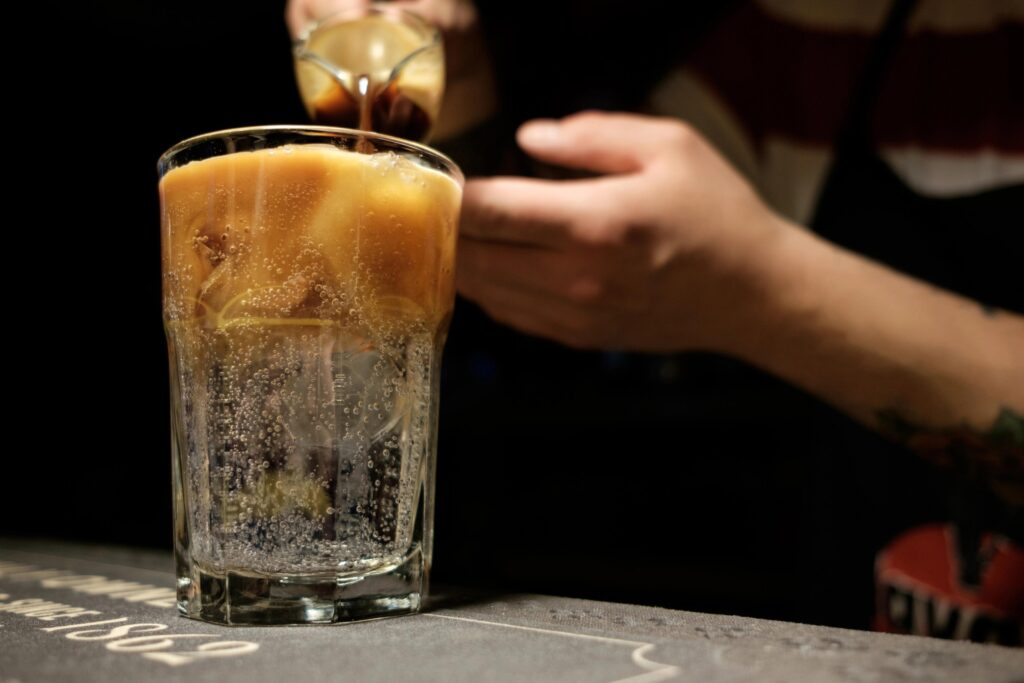
Recognizing the short-term physical effects of alcohol
Alcohol reaches your bloodstream within minutes of the first sip. The most immediate physiological marker is your blood alcohol concentration, or BAC, which measures the amount of ethanol actively circulating in your blood. BAC typically peaks 30 to 90 minutes after drinking, depending on what else is in your stomach. Clinical laboratories can also detect direct markers such as ethyl glucuronide shortly after ingestion. If you have already started tracking your own limits, an alcohol addiction program can help you look at where you actually stand.
Standard drinks vs. actual impairment
A standard drink in the United States contains about 14 grams of pure alcohol. That works out to a 12-ounce regular beer, a 5-ounce glass of wine, or a 1.5-ounce shot of distilled spirits. Counting standard drinks tells you the dose you took, not the impairment you will feel. The two are related, but one does not reliably predict the other.
Symptoms like poor balance, slurred speech, and bad judgment track much more closely with your resulting BAC. That number depends on your body size, your biological sex, how much food you have eaten, how fast you are drinking, and your tolerance. The same three drinks can leave one person mildly relaxed and another unable to drive safely. The same person can react differently on two different nights.
What happens at different BAC levels
Above a BAC of roughly 0.05 percent, most people notice a relaxed mood and lowered inhibitions. Between 0.08 and 0.15 percent, the physical effects of alcohol become obvious: slower reaction time, poor balance, and a clear loss of coordination, along with slurred speech and blurred vision. The Centers for Disease Control and Prevention notes that short-term effects can escalate quickly into alcohol poisoning, motor vehicle crashes, and other injuries.
Effects on sleep and blood pressure
Sleep takes a hit even at small amounts. Alcohol makes you drowsy at first, then fragments your sleep architecture and keeps you out of the deep, restorative stages. The next day brings fatigue, irritability, and a headache. What people call a hangover is largely mild withdrawal combined with dehydration.
Your blood pressure responds fast as well. A single episode of heavy drinking can push it up temporarily, which forces your heart to work harder for hours afterward. None of this requires years of heavy use. The changes begin the first time you drink enough to feel it.
Why early symptoms matter
These acute symptoms function as a warning system. The effects you can actually feel, the unsteady balance and the hangover that lingers past noon, are the visible edge of changes happening in organs that give you no feedback at all. Noticing the pattern early gives you room to act while the damage is still reversible.

You can overcome addiction. Reach out to discover:
Comparing the side effects of alcohol over time
Acute and chronic harm behave differently, and separating them makes the risk much easier to judge. Acute side effects arrive during or right after a drinking episode and fade as your BAC returns to zero. The long term effects of alcohol accumulate instead, building up after repeated heavy drinking over months or years. Those involve lasting organ damage, structural brain changes, and mental health decline that a night of sleep does not fix.
| Body system | Short-term side effects | Long-term risks |
|---|---|---|
| Brain and nervous system | Slurred speech, slow reaction time, poor coordination, blackouts. | Structural brain shrinkage, memory loss, severe depression, persistent anxiety. |
| Cardiovascular | Temporary spike in blood pressure, elevated heart rate, flushed skin. | Chronic hypertension, weakened heart muscle, stroke, atrial fibrillation. |
| Gastrointestinal | Nausea, vomiting, acid reflux, stomach irritation, diarrhea. | Pancreatitis, stomach ulcers, liver cirrhosis, severe malnutrition. |
| Immune | Temporary drop in white blood cells, sluggish recovery from illness. | Chronic systemic inflammation, high risk for pneumonia, vulnerability to cancers. |
Laid out side by side, the pattern is hard to miss: today’s minor discomfort is the early version of tomorrow’s chronic condition. One episode of nausea looks harmless in the moment. Repeated stomach irritation is what eventually produces ulcers and malnutrition. A single spike in blood pressure during a night out is the same mechanism that becomes sustained hypertension.
The negative effects of alcohol also never stay in one place, so it helps to read the body as a connected system. When your liver is overworked, your digestive tract stops absorbing nutrients properly. When your immune response drops, every other system becomes more vulnerable to infection. Spotting that chain early lets you intervene before acute symptoms become permanent damage.
Here’s the improved version. Headings are in sentence case for Red Ribbon, and the FAQ now comes after the conclusion.
OUR PROCESS
1
Get in touch
with us2
Do a free
assessment3
Review your
insurance4
Start your
addiction treatment
Alcohol effects on the body that lead to dependence
The move from casual drinking to physical dependence is a measurable biological process, not a failure of willpower. When alcohol shows up regularly, your body adjusts its chemistry to cope with it. That adjustment is protective in the short run and is exactly what drives the progression toward an alcohol use disorder.
How your liver and brain adapt to alcohol
Your liver leads the adaptation by increasing production of specific enzymes, notably CYP2E1, which clear alcohol from the blood faster. Your brain adapts at the same time. Alcohol suppresses excitatory signaling and boosts inhibitory signaling, which is why it feels relaxing, so the brain compensates by dialing down inhibitory receptors and ramping up excitatory pathways.
Tolerance as an early warning sign
Those two adaptations together produce tolerance. One or two drinks stop doing what they used to, and the amount needed to reach the same relaxed feeling keeps climbing. Tolerance is one of the earliest clear signals that alcohol effects on the body have shifted toward dependence. Your nervous system has set a new baseline in which it only feels normal with alcohol present.
What withdrawal reveals about dependence
Stopping suddenly throws that baseline off. The excitatory pathways are still running in overdrive with nothing sedating them, which triggers alcohol withdrawal. Shaking, severe anxiety, sweating, a racing heart, and insomnia are common. In severe cases, the same hyperexcitability produces seizures or hallucinations, which is why anyone with a heavy daily drinking history needs medical guidance before stopping rather than trying to quit alone.
Withdrawal symptoms are a clear physical sign of dependence and one of the diagnostic criteria for alcohol use disorder. Addiction rewires the brain’s reward, stress, and communication circuits, which is why it responds to clinical treatment rather than willpower alone. Where depression, anxiety, or trauma sit underneath the drinking, dual diagnosis treatment addresses both at once instead of treating one and waiting for the other to resurface.
Why asking for help early matters
Stigma is the main thing that delays this conversation. Asking for help is an act of self-awareness, not an admission of weakness, and recognizing physical dependence early gives you far more options. Much of what alcohol changes in the body and brain recovers with sustained sobriety and clinical support.
Free Insurance Check
Our rehab center accepts most insurance plans.
Check if your insurance will cover the cost of treatment by filling out our confidential insurance form. We accept most insurance plans.

Finding compassionate addiction treatment in Colorado
Red Ribbon Recovery Colorado is a local outpatient provider for people working through alcohol misuse. Treatment is built around your schedule and your clinical needs rather than a fixed program length, and every level of care is grounded in evidence-based practice. You can start at the intensity that matches where you are and step down as stability returns.
Outpatient levels of care
Our partial hospitalization program delivers full-day clinical care for people who need structure through the day and want to sleep at home. As you gain footing, our intensive outpatient program keeps therapy substantial while you return to work, school, or family commitments. A standard outpatient program provides lighter-touch continuing care that holds progress in place over the long run.
Medication, therapy, and ongoing support
Alongside those levels of care, we offer addiction medicines to reduce cravings and support abstinence and 12-step program facilitation for people who want peer structure. Telehealth is available for anyone outside easy driving distance, and aftercare planning keeps community and peer support in place once formal treatment ends. Therapy options include cognitive behavioral therapy and family therapy where relationships need repair too.
WE ARE AVAILABLE 24/7
Request a call for answers and help.
If you or someone you care about is struggling with addiction or mental health problems, request a call to speak with a knowledgeable treatment specialist. Our team is here to help you understand your options for care. There is no cost or obligation to enter treatment by requesting a call.
"*" indicates required fields
How the Colorado outdoors supports clinical recovery
Colorado’s outdoor culture does real therapeutic work. Time outside lowers stress hormones, improves emotional regulation, and rebuilds the physical fitness that heavy drinking erodes. We use the state’s trails and landscapes to complement clinical therapy, not replace it.
Nature-based group activities also help people build sober friendships that don’t revolve around a bar. Shared effort outdoors breaks the isolation that alcohol use tends to create, and it teaches resilience and coping skills in a setting that feels less clinical than a group room. Recovery that fits the life you actually want lasts.
Choosing a different relationship with alcohol
Understanding what alcohol does to your body is what makes an honest decision possible. The immediate loss of coordination, disrupted sleep, and the slow strain on your heart and liver all follow the same process, just on different timescales. Catching it early can mean the difference between changing your habits and developing a chronic medical condition.
If you are ready to look at your drinking with support, our team can help you verify insurance and find the level of care that fits your life. Reach out about alcohol addiction treatment by calling (303) 219-3980, or visit Red Ribbon Recovery Colorado to start the conversation.
We are here to help you or a loved one find addiction treatment near you.
Admitting you have a substance abuse problem and asking for help is not always easy. If you or a loved one are struggling with drug addiction, alcohol addiction or another substance use disorder, help is available. You can visit SAMHSA’s National Helpline to learn about resources in your area or reach out to our team by calling (303) 219-3980 to explore personalized treatment.
Key Takeaways
- Alcohol has immediate side effects, including impaired coordination and disrupted sleep.
- Long-term consumption puts a significant strain on vital organs like the heart and liver, which can lead to chronic medical conditions.
- Understanding the full range of alcohol's effects is crucial for making informed decisions about drinking, and support is available for those who wish to change their habits.
Frequently asked questions
What are the short-term effects of drinking alcohol on the body?
The short-term effects of alcohol consumption include impaired judgment, slowed reaction times, reduced coordination, dehydration, and changes in mood or behavior. Alcohol affects the brain’s communication pathways, interfering with decision-making, memory, and motor function. Drinking too much alcohol on a single occasion can increase the risk of accidental injury, sexual violence, and alcohol poisoning. As a person’s blood alcohol level rises, they may experience nausea, vomiting, confusion, or loss of consciousness. Drinking alcohol on an empty stomach can cause alcohol to enter the bloodstream more quickly, increasing the risk of severe intoxication.
What are the long-term health risks of excessive alcohol consumption?
Long-term excessive alcohol consumption can contribute to serious physical and mental health complications, including liver disease, high blood pressure, cardiovascular disease, brain damage, and alcohol use disorder. Heavy drinking increases the risk of fatty liver, alcoholic hepatitis, liver cirrhosis, and certain cancers, including breast cancer, liver cancer, colorectal cancer, and cancers of the oral cavity. Alcohol misuse can also weaken the immune system, disrupt blood sugar regulation, interfere with the endocrine system, and contribute to weight gain. Regular heavy alcohol use may also cause erectile dysfunction, worsen mental health symptoms, and increase the likelihood of developing alcohol dependence.
Is moderate drinking safe, or does any amount of alcohol pose health risks?
Moderate drinking generally refers to consuming up to one alcoholic drink per day for women or up to two drinks per day for men, according to commonly used U.S. public health guidelines. However, moderate alcohol use is not risk-free. The World Health Organization emphasizes that no level of alcohol consumption is completely without health risks, particularly regarding certain cancers. Although some older studies suggested potential cardiovascular health benefits from moderate alcohol consumption, more recent research has challenged these findings due to potential confounding factors. Drinking less alcohol generally reduces alcohol-related harm, and individuals who do not currently drink should not start drinking for perceived health benefits.
How does binge drinking affect the brain, heart, and other organs?
Binge drinking involves consuming enough alcohol to raise blood alcohol concentration to approximately 0.08%, typically occurring after four or more drinks for women or five or more drinks for men within about two hours. This pattern of excessive drinking can disrupt the brain’s communication pathways, impair memory, and increase the risk of alcohol poisoning. Binge drinking can also temporarily raise blood pressure, trigger irregular heart rhythms, and strain the cardiovascular system. Repeated episodes may contribute to liver damage, inflammation, and long-term cognitive difficulties. Alcohol-related impairment also increases the risk of motor vehicle accidents, intimate partner violence, and other preventable injuries.
What happens to your body when you stop drinking alcohol?
When someone stops drinking alcohol, their body can begin recovering from some of the harmful effects of alcohol consumption. Over time, reducing or eliminating alcohol may improve blood pressure, sleep quality, liver function, blood sugar regulation, and overall mental health. Individuals may also experience improved energy levels, better weight management, and a reduced risk of certain alcohol-related diseases. However, people with alcohol dependence may develop withdrawal symptoms, including tremors, sweating, anxiety, seizures, or delirium tremens, after suddenly stopping alcohol use. Severe alcohol withdrawal can be life-threatening, so individuals who drink heavily or regularly should consult a healthcare professional before stopping. Long-term recovery may involve medical supervision, behavioral therapy, and treatment for alcohol use disorder.
Treatment center reviews
Sources
- National Institute on Alcohol Abuse and Alcoholism. (n.d.). Alcohol’s Effects on the Body. National Institute on Alcohol Abuse and Alcoholism.
- Centers for Disease Control and Prevention. (2025, January 14). Alcohol Use and Your Health. Centers for Disease Control and Prevention.
- National Institute on Alcohol Abuse and Alcoholism. (n.d.). Understanding Binge Drinking. National Institute on Alcohol Abuse and Alcoholism.
- MedlinePlus. (2018, January 1). Alcohol use disorder – Genetics. MedlinePlus.
- National Cancer Institute. (2025, May 2). Alcohol and Cancer Risk Fact Sheet. National Cancer Institute.
- U.S. Department of Health and Human Services. (n.d.). Alcohol and Cancer Risk 2024. U.S. Department of Health and Human Services.
- National Highway Traffic Safety Administration. (n.d.). Drunk Driving | Statistics and Resources. National Highway Traffic Safety Administration.
About the content

Written by: Carli Simmonds. Carli Simmonds holds a Master of Arts in Community Health Psychology from Northeastern University. From a young age, she witnessed the challenges her community faced with substance abuse, addiction, and mental health challenges, inspiring her dedication to the field.

Medically reviewed by: Jodi Tarantino, MSW, LICSW. Jodi Tarantino is an experienced, licensed Independent Clinical Social Worker (LICSW) and Program Director with over 20 years of experience in Behavioral Healthcare. Also reviewed by the RRR Editorial team.
Red Ribbon Recovery is committed to delivering transparent, up-to-date, and medically accurate information. All content is carefully written and reviewed by experienced professionals to ensure clarity and reliability. During the editorial and medical review process, our team fact-checks information using reputable sources. Our goal is to create content that is informative, easy to understand and helpful to our visitors.