
How long does weed stay in system after quitting? The answer depends on how frequently someone uses cannabis, the amount consumed, and the type of drug test involved. THC and its metabolites can remain detectable long after marijuana’s intoxicating effects have worn off, particularly in people with a history of frequent use. Urine tests may detect cannabis exposure for several days or weeks, while hair tests can identify some patterns of use over approximately three months. Red Ribbon Recovery Colorado explores THC detection windows, the influence of body composition and metabolism, and what people may experience when stopping cannabis use, including withdrawal symptoms and co-occurring mental health concerns.
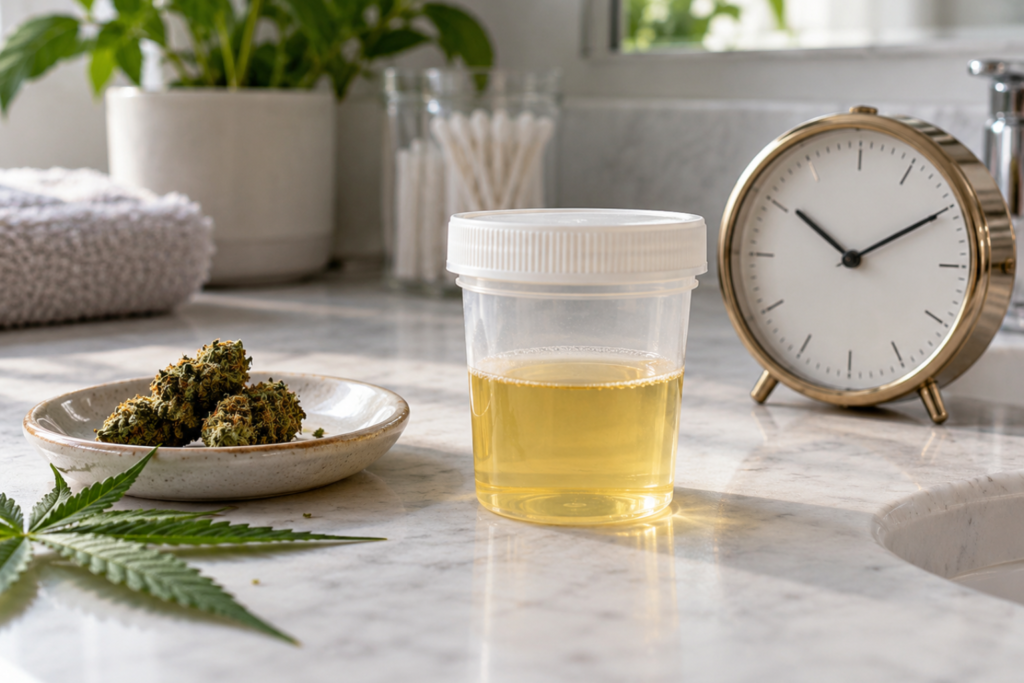
What's the detection window for different cannabis drug tests?
Different drug tests identify cannabis exposure by detecting THC or its metabolites in urine, blood, saliva, or hair. Each test type has a different detection window, so someone may test positive with one method and negative with another. For people researching marijuana addiction treatment, understanding these differences can also help separate the effects of cannabis use from the longer process of eliminating detectable metabolites.
Urine tests generally identify THC-COOH, an inactive metabolite produced as the body processes THC. Blood and oral fluid tests may detect active THC, while hair testing can provide information about previous cannabis exposure. Detection time depends on consumption patterns, laboratory methods, and individual biological factors rather than a single universal clearance schedule.
| Test type | Typical detection considerations | Important limitations |
|---|---|---|
| Urine | Approximately 1–3 days after single use; 30 days or longer in some chronic heavy users | Detects metabolites; duration varies substantially |
| Blood | Often hours to a few days after use | Sensitive methods may detect THC longer in frequent users |
| Saliva (oral fluid) | Commonly within 24–72 hours | Depends on collection method and laboratory cutoff |
| Hair | Often used to assess exposure over approximately 90 days | Less reliable for very recent or isolated use |
Laboratory testing thresholds also influence detection results. Under federal workplace drug-testing procedures, initial urine marijuana metabolite testing uses a cutoff of 50 ng/mL, while confirmation testing uses 15 ng/mL. These thresholds determine whether a result meets the reporting criteria; they do not indicate exactly when THC leaves the body.
A positive urine test generally indicates cannabis exposure rather than current intoxication. Understanding the testing method and its limitations is essential when interpreting results.
How long does THC stay in urine?
Urine tests are among the most common methods for detecting cannabis exposure. They typically identify THC-COOH rather than active THC. After a single use, metabolites may remain detectable for approximately one to three days, while chronic heavy cannabis use may produce positive results for 30 days or longer. The detection window varies according to frequency of use, THC exposure, urine concentration, and laboratory cutoff levels. A positive result does not necessarily indicate recent impairment.
How long does weed stay in your blood?
Blood tests generally have shorter detection windows than urine tests, although THC may remain measurable longer in frequent cannabis users. Active THC can be detected for hours or days depending on the sensitivity of the testing method, amount consumed, and history of use. Unlike urine testing, blood analysis can provide information about recent exposure, but a measurable THC concentration does not establish the precise degree of impairment.
How long does weed stay detectable in saliva tests?
Saliva tests, also called oral fluid tests, are used to identify relatively recent cannabis exposure. THC may remain detectable for about 24 to 72 hours, though results vary by testing method, consumption frequency, and time since last use. Smoking or vaping may leave THC in the mouth shortly after consumption, influencing early results. Oral fluid testing does not establish an exact timeline for intoxication or impairment.
How long does THC stay in your hair?
Hair tests can provide information about cannabis exposure over an extended period, often approximately 90 days when laboratories analyze a 1.5-inch sample of scalp hair. As hair grows, drug-related compounds may become incorporated into the hair shaft. However, hair testing is less useful for identifying very recent use and may not reliably detect a single exposure. Results depend on laboratory methods, hair characteristics, and the substances being measured.
What laboratory cutoff levels mean
Drug-testing laboratories use cutoff concentrations to determine whether detected substances meet reporting thresholds. For urine cannabinoid testing, a common initial screening cutoff is 50 ng/mL, with confirmatory testing at 15 ng/mL under federal workplace testing rules. Clinical and nonfederal testing programs may use different thresholds.
Results near a cutoff may vary because of urine concentration, biological differences, or testing conditions. Confirmatory laboratory analysis can help distinguish a preliminary positive screening result from a confirmed finding. Neither result establishes exactly when cannabis was consumed or whether the person was impaired at the time of collection.

You can overcome addiction. Reach out to discover:
Factors that impact weed detection time
Several factors influence how long THC and its metabolites stay in your system after quitting. Frequency and duration of cannabis use are especially important, although the amount consumed, product potency, individual metabolism, and test type also affect detection windows.
The following factors can influence how long cannabis remains detectable:
- Frequency and duration of use. Repeated exposure, particularly chronic heavy use, can extend urine detection windows.
- Body composition. THC is fat-soluble and distributes into fatty tissues, although body fat percentage alone cannot reliably predict testing results.
- Metabolism and individual biology. Liver metabolism, hydration status, and physiological differences can influence THC processing and metabolite concentrations.
- THC dose and product potency. Greater THC exposure may contribute to longer detection periods, particularly with frequent use.
Body fat and metabolism
THC is fat-soluble, meaning it can distribute into fatty tissues before being gradually released and metabolized. This helps explain why THC metabolites may remain detectable after the immediate effects have disappeared. Body composition can influence how cannabinoids are distributed, but higher body fat percentages do not automatically translate into a predictable number of additional detection days.
The liver processes THC into metabolites, including the psychoactive compound 11-hydroxy-THC and the inactive metabolite THC-COOH. The body eventually eliminates these substances through normal processes. Differences in metabolism, frequency of cannabis use, and testing thresholds can all affect the timeline.
Potency and how you consume cannabis
The amount of THC consumed influences overall cannabinoid exposure. Higher-potency cannabis concentrates can deliver greater amounts of THC than lower-potency products, potentially extending detection windows, especially with repeated use. However, potency alone cannot determine how long someone will test positive.
Consumption method also matters. When cannabis is eaten, THC passes through the digestive system and undergoes first-pass metabolism in the liver, producing 11-hydroxy-THC. Smoking and vaping produce a faster onset of effects, while edibles typically take longer to produce noticeable intoxication. All of these methods can result in detectable THC metabolites on drug tests.
Can hydration, exercise, or detox drinks eliminate THC faster?
There is no scientifically established way to rapidly eliminate THC metabolites from the body. Drinking water supports normal hydration, but consuming excessive amounts does not accelerate THC metabolism. Commercial detox drinks may change urine concentration without removing cannabinoids from the body, and laboratories may identify unusually diluted samples.
Regular physical activity supports general health but cannot guarantee a shorter cannabis detection window. Claims that specific exercises, supplements, or detox products consistently produce negative drug tests are not supported by reliable clinical evidence. Time since last use, consumption patterns, and individual metabolism remain central considerations.
Free Insurance Check
Our rehab center accepts most insurance plans.
Check if your insurance will cover the cost of treatment by filling out our confidential insurance form. We accept most insurance plans.

Cannabis withdrawal symptoms after quitting weed
Stopping cannabis after frequent or prolonged use can cause withdrawal symptoms, even when someone no longer experiences intoxication. Common symptoms include irritability, anxiety, sleep disturbances, reduced appetite, restlessness, and changes in mood. These experiences can make quitting uncomfortable, but withdrawal severity varies considerably from person to person.
A clinical review of cannabis withdrawal reports that symptoms typically begin within 24 to 48 hours after stopping cannabis and often peak between days two and six. Many symptoms improve within one to two weeks, although sleep difficulties and other concerns may continue for three weeks or longer in some heavy users.
How long does cannabis withdrawal last?
The withdrawal timeline is different from the THC detection window. Someone may continue testing positive for cannabis metabolites after withdrawal symptoms improve, while another person may experience emotional or sleep-related symptoms after active THC concentrations have declined.
Research suggests that approximately 47% of regular or dependent cannabis users in pooled study populations experience withdrawal symptoms after stopping or significantly reducing use. This figure should not be interpreted as the rate among all people who have ever used marijuana.
When withdrawal symptoms require additional support
Cannabis withdrawal is generally not associated with the same life-threatening medical complications as severe alcohol or benzodiazepine withdrawal. However, persistent insomnia, significant anxiety, worsening depression, or difficulty maintaining daily responsibilities may warrant professional assessment.
Supportive counseling, psychoeducation, and practical coping strategies can help individuals understand withdrawal symptoms and develop healthier routines. When someone also uses alcohol, benzodiazepines, or other substances regularly, clinicians should consider the potential risks associated with withdrawal from those substances.
WE ARE AVAILABLE 24/7
Request a call for answers and help.
If you or someone you care about is struggling with addiction or mental health problems, request a call to speak with a knowledgeable treatment specialist. Our team is here to help you understand your options for care. There is no cost or obligation to enter treatment by requesting a call.
"*" indicates required fields
Understanding marijuana addiction treatment options in Colorado
Cannabis use disorder can develop when marijuana use becomes difficult to control or continues despite negative effects on health, relationships, work, or daily functioning. Frequent cannabis use alone does not establish a diagnosis, but persistent cravings, unsuccessful attempts to quit, and continued use despite consequences may indicate that additional support is appropriate.
Understanding addiction treatment programs can help people explore available treatment approaches. Outpatient counseling, structured behavioral therapy, and more intensive care may be considered according to the severity of cannabis use, withdrawal symptoms, and other health concerns.
Cognitive behavioral therapy and recovery support
Cognitive behavioral therapy can help individuals recognize triggers, address unhelpful patterns, and develop coping skills for managing cravings. Motivational approaches may also support people who feel uncertain about changing their cannabis use.
Treatment planning should consider personal circumstances, social support, and the impact of cannabis use on daily functioning. The goal is to develop healthier strategies that can be maintained beyond the initial period of abstinence.
Cannabis use and co-occurring mental health conditions
Cannabis use sometimes occurs alongside anxiety, depression, trauma-related symptoms, or other mental health concerns. These conditions may influence why someone uses marijuana, how they experience withdrawal, and which forms of support are appropriate.
Information about dual diagnosis treatment centers Colorado can help explain approaches that address substance use and mental health conditions together. An integrated assessment can distinguish cannabis-related symptoms from underlying psychiatric concerns and support coordinated treatment planning.
Rehab might feel like a big step, but remember why you're here—you’re looking for a way forward. We can help.
Understanding cannabis detection and recovery with Red Ribbon Recovery Colorado
How long weed stays detectable after quitting depends on the type of drug test, frequency of cannabis use, THC exposure, and individual biological factors. While occasional users may have shorter detection windows, chronic heavy users can continue testing positive for THC metabolites for weeks. Understanding these differences, along with possible withdrawal symptoms, can help individuals make informed decisions about their health.
Red Ribbon Recovery Colorado provides educational information about cannabis use, addiction, mental health, and recovery options. Whether you’re concerned about withdrawal symptoms or navigating co-occurring mental health challenges, learning about available support can be a helpful step. To ask questions or explore recovery resources, contact us by calling (303) 219-3980.
We are here to help you or a loved one find addiction treatment near you.
Admitting you have a substance abuse problem and asking for help is not always easy. If you or a loved one are struggling with drug addiction, alcohol addiction or another substance use disorder, help is available. You can visit SAMHSA’s National Helpline to learn about resources in your area or reach out to our team by calling (303) 219-3980 to explore personalized treatment.
Key Takeaways
- The time weed stays detectable in the body varies significantly based on the type of drug test, frequency of use, THC exposure, and individual biological factors.
- Occasional cannabis users typically have a shorter detection window, while chronic heavy users can test positive for THC metabolites for several weeks after quitting.
- Quitting cannabis can lead to withdrawal symptoms, and support resources are available to help manage addiction and any co-occurring mental health challenges.
Frequently asked questions
How long does weed stay in system after quitting for occasional users?
For occasional users, THC metabolites may remain detectable in urine for one to three days after a single use. However, how long weed stays in your system depends on how much cannabis was consumed, product potency, metabolism, and test type. Higher-potency products deliver more THC, potentially extending detection windows. A single use can produce a positive test, but no timeline guarantees when detectable levels will fall below laboratory thresholds.
How long can urine tests detect weed and THC metabolites?
Urine tests are among the most common methods used to detect weed exposure. Unlike alcohol testing, standard cannabis urine tests typically identify THC-COOH, an inactive metabolite, rather than active THC. While metabolites may be detectable for up to three days after occasional use, chronic users who consume cannabis multiple times daily may test positive for 30 days or longer. Detection depends on consumption patterns, urine concentration, and laboratory cutoff levels.
How do body composition and metabolism affect how long THC stays in your system?
THC is fat-soluble, so it can distribute into fat tissues and be gradually released as the body processes it. This explains why metabolites may remain detectable after marijuana’s effects disappear. Body composition, including higher body fat percentages, and slower metabolisms may influence detection time, but neither reliably predicts an individual’s results. The liver breaks down THC into numerous metabolites, including THC-COOH, which the body eventually eliminates through urine and feces.
Can blood tests, oral fluid tests, and hair tests detect cannabis for different lengths of time?
Yes. Blood tests detect THC primarily after recent use, often within one to two days, although detection can last longer in frequent users. Oral fluid tests commonly identify cannabis exposure within 24 to 72 hours. Hair follicle tests can reveal past cannabis use over approximately 90 days, depending on hair growth, sample length, and testing methods. Each method has limitations, and a positive test does not necessarily indicate current impairment.
Why does weed stay in your system longer after frequent cannabis use?
Repeated weed use creates greater overall THC exposure, potentially extending the time metabolites remain detectable. THC enters the bloodstream and distributes into body tissues, including fat cells, before undergoing metabolism and elimination. Frequent use, higher doses, and chronic heavy consumption can extend detection windows. Although cannabis use may occur alongside mental health or other co-occurring conditions, those diagnoses alone do not determine clearance time. There is no scientifically proven method to rapidly eliminate stored THC or guarantee a negative drug test.
Treatment center reviews
Sources
- Substance Abuse and Mental Health Services Administration. (2012). Clinical drug testing in primary care.
- Connor, J. P., et al. (2022). Clinical management of cannabis withdrawal. Addiction, 117(7), 2075–2095.
- National Institute on Drug Abuse. Cannabis (marijuana).
- Centers for Disease Control and Prevention. Understanding your risk for cannabis use disorder.
- U.S. Department of Transportation. 49 CFR Part 40, Section 40.85: What are the cutoff concentrations for drug tests?.
- Colorado Department of Public Health and Environment. Cannabis and addiction.
About the content

Written by: Carli Simmonds. Carli Simmonds holds a Master of Arts in Community Health Psychology from Northeastern University. From a young age, she witnessed the challenges her community faced with substance abuse, addiction, and mental health challenges, inspiring her dedication to the field.

Medically reviewed by: Jodi Tarantino, MSW, LICSW. Jodi Tarantino is an experienced, licensed Independent Clinical Social Worker (LICSW) and Program Director with over 20 years of experience in Behavioral Healthcare. Also reviewed by the RRR Editorial team.
Red Ribbon Recovery is committed to delivering transparent, up-to-date, and medically accurate information. All content is carefully written and reviewed by experienced professionals to ensure clarity and reliability. During the editorial and medical review process, our team fact-checks information using reputable sources. Our goal is to create content that is informative, easy to understand and helpful to our visitors.