
Cannabinoid hyperemesis syndrome (CHS) is a condition caused by chronic marijuana use. It brings cycles of severe nausea, repeated vomiting, and stomach pain that do not respond to normal anti nausea medication.
The symptoms look like a stomach bug, morning sickness, or food poisoning, and they get misdiagnosed as all three. The one thing that reliably relieves cannabinoid hyperemesis in the moment is a hot shower. The only thing that ends it is stopping cannabis.
CHS was first described in 2004 in South Australia. Twenty years later it is a routine diagnosis in Colorado emergency rooms. In October 2025 the condition got its own diagnosis code, and the CDC reported in 2026 that CHS related emergency department visits jumped 3.7 fold once doctors could code it accurately, from 3.35 to about 12 per 10,000 visits. The rise is steepest among people 15 to 34.
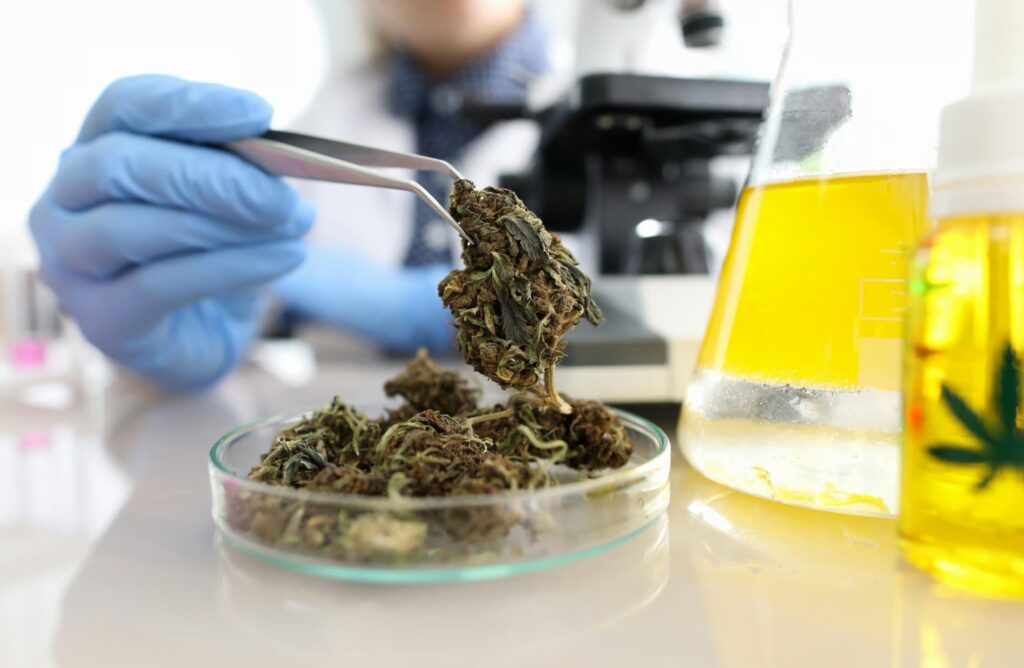
What is cannabinoid hyperemesis syndrome?
Cannabinoid hyperemesis syndrome is a cyclic vomiting disorder linked to chronic cannabis use. “Hyperemesis” means excessive vomiting. The syndrome is sometimes called cannabis hyperemesis syndrome, and online it is nicknamed “scromiting,” a mash of screaming and vomiting that describes the hyperemetic phase well.
Researchers do not fully understand why cannabis, a drug people use to prevent nausea, causes it in some heavy users. The leading theory involves cannabinoid receptors in the digestive tract and brain. High dose chronic cannabis use appears to overload those receptors, and THC, which is fat soluble, builds up in body fat and keeps signaling long after the last use. Other factors, including genetics and stress, may explain why some regular marijuana smokers get it and others never do. At some point the system flips. Instead of calming the digestive system, cannabis triggers nausea and vomiting.
Cannabis hyperemesis syndrome is not just a side effect of heavy use. It is a distinct medical condition with its own diagnostic pattern, and it can be dangerous.

You can overcome addiction. Reach out to discover:
CHS symptoms
CHS symptoms come in waves. Between episodes a person may feel fine for weeks. During one, the symptoms are relentless. The core symptoms of cannabinoid hyperemesis syndrome (CHS):
- Persistent nausea, often worst in the morning.
- Repeated vomiting, sometimes many times per hour during an episode. Severe vomiting can last a day or more.
- Abdominal pain or stomach pain, usually cramping and centered in the upper belly.
- Relief from frequent hot showers or hot baths, often lasting only as long as the water runs.
- Weight loss from being unable to keep food down. Many patients have lost weight before they are diagnosed.
- Signs of severe dehydration: dark urine, dizziness, dry mouth, rapid heartbeat.
The hot water clue is what separates CHS from other causes of nausea and vomiting. In a systematic review of 211 cases published in the Journal of Medical Toxicology, 92% of patients reported symptom relief from compulsive hot baths or showers. Nearly all used cannabis at least weekly, and about half used daily.
What are the first signs of CHS?
Early morning nausea is usually first. Many patients describe waking up queasy for weeks or months before any vomiting starts, which is why CHS symptoms get mistaken for morning sickness or anxiety. Some develop a fear of throwing up and change how they eat. Because cannabis is known to relieve nausea, most people respond by using more of it to relieve symptoms, which makes the syndrome worse.
Free Insurance Check
Our rehab center accepts most insurance plans.
Check if your insurance will cover the cost of treatment by filling out our confidential insurance form. We accept most insurance plans.

The three phases of cannabinoid hyperemesis syndrome
Doctors describe cannabinoid hyperemesis syndrome (CHS) in three phases. Not everyone moves through them in order, and the prodromal phase can go unnoticed for years.
Prodromal phase
The prodromal phase can last months or years. Symptoms include persistent nausea, mild stomach pain, and occasional discomfort after eating. Appetite and weight usually stay normal, with no weight loss yet. Cannabis use often increases during this phase because it seems to help.
Hyperemetic phase
The hyperemetic phase is the acute crisis. Intense nausea gives way to repeated vomiting that can continue for 24 to 48 hours or longer. Stomach pain is constant. Patients cannot keep down food or water, and severe dehydration sets in fast. Compulsive bathing is common, with some patients spending hours in hot showers. This is the phase that sends people to the emergency room for medical care. It continues until the person completely stops using cannabis.
Recovery phase
The recovery phase begins once cannabis use stops. Acute vomiting usually eases within 48 hours. Appetite and normal eating return over a few weeks. Full recovery from cannabinoid hyperemesis syndrome can take one to three months as THC clears from body fat and the receptors reset. The recovery phase ends the same way for nearly everyone who stays stopped, and symptoms almost always come back if cannabis use resumes.
Who gets CHS?
CHS affects heavy marijuana users, almost always people whose marijuana use is daily or near daily for a year or more. It does not happen to occasional users. The main risk factors for developing CHS:
- Chronic use is the defining factor. In the systematic review, 97% of patients used at least weekly.
- Years of use matter. About a quarter developed symptoms within a year of heavy use, a third after two to five years, and a fifth after more than a decade.
- High potency cannabis products raise the risk. Concentrates, dabs, and high THC flower deliver far more THC than the marijuana products available when CHS was first reported.
- Synthetic cannabinoids can trigger it as well.
- Men are diagnosed more often than women, roughly three to one.
CHS is more common than most people assume. A survey at an urban public hospital emergency department in New York, published in Basic and Clinical Pharmacology and Toxicology, found that 32.9% of regular marijuana users met the criteria for CHS.
A 2025 analysis of 188 million U.S. emergency visits in JAMA Network Open found CHS visits rose sharply from 2016 to 2022 and clustered among adults 18 to 35. Colorado, with legal recreational cannabis and widely available concentrates, sees a heavy share of cases.
OUR PROCESS
1
Get in touch
with us2
Do a free
assessment3
Review your
insurance4
Start your
addiction treatment
How doctors diagnose CHS
There is no blood test or scan to diagnose CHS. Diagnosis rests on marijuana use history and symptom pattern.
- Long term, at least weekly cannabis use.
- Recurring episodes of nausea and vomiting with abdominal pain. Abdominal pain shows up in about 85% of cases.
- Relief from hot showers or hot baths.
- Symptoms that resolve after stopping cannabis. Symptoms that continue for weeks after quitting point to something else.
A physical exam and basic labs check for dehydration and electrolyte problems. Clinical toxicology consults are sometimes involved in complicated cases. Doctors may order imaging or endoscopy to rule out other medical conditions such as gallbladder disease, pancreatitis, or bowel obstruction. Cyclic vomiting syndrome looks similar, and the cannabis history is often what separates the two. Cannabis hyperemesis syndrome also gets confused with gastroparesis and anxiety related nausea and vomiting.
Many patients go years and multiple emergency room visits before anyone asks about marijuana use. Be honest with the doctor about how much and how often you smoke weed or use other cannabis products. It shortens the path to the right diagnosis and the right medical care.
Treatment for cannabinoid hyperemesis syndrome
Treatment happens in two stages: getting through the acute episode, then stopping cannabis for good.
Acute treatment in the emergency room
- IV fluids for severe dehydration.
- Anti nausea medication. Standard drugs that prevent nausea in other conditions often work poorly for CHS, so doctors may use haloperidol or a benzodiazepine instead.
- Capsaicin cream applied to the abdomen. It stimulates the same receptors as hot water and can relieve symptoms within an hour.
- Medication to relieve pain from constant retching and stomach pain.
- Hot showers, if the hospital can accommodate them.
Acute care manages the crisis and its symptoms. It does not cure the syndrome.
Long term treatment: stopping cannabis
Sustained abstinence is the only treatment that ends CHS. In the systematic review, 96.8% of patients had complete resolution after quitting. Reducing use does not work. Switching from smoking to edibles does not work. The receptors need a full break.
Quitting marijuana after years of daily use is harder than most people expect. Withdrawal brings irritability, insomnia, anxiety, and, cruelly, nausea. Many patients relapse in the first weeks, and each relapse resets recovery. This is where professional treatment matters. Counseling, structured outpatient care, and professional support for the substance abuse behind the syndrome raise the odds of staying stopped long enough to fully recover. The Substance Abuse and Mental Health Services Administration lists cannabis use disorder among the most common reasons people enter treatment.
WE ARE AVAILABLE 24/7
Request a call for answers and help.
If you or someone you care about is struggling with addiction or mental health problems, request a call to speak with a knowledgeable treatment specialist. Our team is here to help you understand your options for care. There is no cost or obligation to enter treatment by requesting a call.
"*" indicates required fields
When to go to the emergency room
Prolonged vomiting can cause serious complications: severe dehydration, electrolyte imbalances, kidney injury, esophageal tears, seizures, and heart rhythm problems. Deaths linked to CHS have been reported, including three cases documented in the Journal of Forensic Sciences. Seek medical care right away for:
- Vomiting that will not stop for more than 24 hours.
- Inability to keep down fluids.
- Severe abdominal pain or stomach pain.
- Rapid heartbeat, confusion, fainting, or very dark urine. A rapid heartbeat with dizziness signals serious dehydration.
- Blood in vomit.
Urgent care can handle moderate symptoms. Do not wait out severe symptoms at home. An emergency department is the right call for anything on the list above.
Rehab might feel like a big step, but remember why you're here—you’re looking for a way forward. We can help.
Getting help for marijuana addiction in Colorado
Cannabinoid hyperemesis syndrome has a simple cure that is hard to follow. If you have tried quitting marijuana and keep going back, the problem is not willpower. Cannabis use disorder is a recognized condition, and it responds to treatment.
Red Ribbon Recovery Colorado provides marijuana addiction treatment in Colorado as well as dual diagnosis treatment for the anxiety, depression, or trauma that often drives it. Our clinical team will assess where you are and match you to the level of care that fits, whether you are mid episode or two weeks into your first attempt at quitting. Call (303) 219-3980 or contact us online. Admissions is confidential.
We are here to help you or a loved one find addiction treatment near you.
Admitting you have a substance abuse problem and asking for help is not always easy. If you or a loved one are struggling with drug addiction, alcohol addiction or another substance use disorder, help is available. You can visit SAMHSA’s National Helpline to learn about resources in your area or reach out to our team by calling (303) 219-3980 to explore personalized treatment.
Key Takeaways
- Cannabinoid Hyperemesis Syndrome (CHS) is a condition caused by long-term, heavy cannabis use, resulting in severe cycles of nausea, vomiting, and abdominal pain.
- The only permanent cure for CHS is to completely stop using marijuana; hot showers or baths are often used to provide temporary relief from the symptoms.
- Because quitting cannabis can be difficult, professional addiction treatment is recommended for those who struggle, as it can address underlying cannabis use disorder.
Frequently asked questions
How long does CHS last?
The hyperemetic phase lasts until you stop using cannabis. After quitting, vomiting usually eases within two days and full recovery takes one to three months.
Does CHS go away forever?
Yes, if cannabis use stays stopped. Symptoms return in nearly everyone who goes back to regular use, sometimes after a single session.
How long do I have to stop smoking?
Permanently, if you want to be sure. Some people report tolerating occasional use years later, but there is no reliable way to predict who, and a relapse into daily use brings CHS back.
How many years do you have to smoke to get CHS?
There is no set number. Some patients develop it within a year of heavy daily use. Others use for a decade first. Potency and frequency matter more than years.
How long does it take the receptors to return to normal?
Research on receptor recovery suggests several weeks of abstinence, which lines up with the one to three month recovery window most patients experience.
Does CHS cause permanent damage?
Usually not, if it is recognized and cannabis use stops. Repeated severe episodes can damage the esophagus and kidneys, and the reported deaths involved dehydration and electrolyte failure.
What foods trigger CHS?
Food is not the cause, but during an episode certain foods, especially fatty or heavy meals, can set off vomiting. Small bland meals and fluids are easier to tolerate.
Is scromiting a real thing?
Yes. It is a slang term for the worst stage of cannabis hyperemesis syndrome, when vomiting is severe enough to cause screaming. Treatment is the same: acute care, then stopping cannabis.
What are the three stages of CHS?
Prodromal (morning nausea and stomach pain), hyperemetic (repeated vomiting, nausea and vomiting around the clock, severe dehydration), and recovery (symptoms fade after stopping cannabis). See the three phases section above.
Does CBD cause CHS?
CHS is tied to THC. CBD alone has not been linked to it, but many CBD products contain THC, and full spectrum products used heavily can contribute.
Treatment center reviews
Sources
- Sorensen, C. J., DeSanto, K., Borgelt, L., Phillips, K. T., & Monte, A. A. (2017). Cannabinoid hyperemesis syndrome: Diagnosis, pathophysiology, and treatment, a systematic review. Journal of Medical Toxicology, 13(1), 71–87.
- Habboushe, J., Rubin, A., Liu, H., & Hoffman, R. S. (2018). The prevalence of cannabinoid hyperemesis syndrome among regular marijuana smokers in an urban public hospital. Basic and Clinical Pharmacology and Toxicology, 122(6), 660–662.
- Centers for Disease Control and Prevention. (2026). Trends in emergency department visits involving cannabis hyperemesis syndrome identified using a new diagnosis code, United States, January 2023 to May 2026. Morbidity and Mortality Weekly Report, 75(30).
- Swartz, J. A., & Franceschini, D. (2025). Cannabinoid hyperemesis syndrome, 2016 to 2022. JAMA Network Open, 8(11), e2545310.
- Nourbakhsh, M., Miller, A., Gofton, J., Jones, G., & Adeagbo, B. (2019). Cannabinoid hyperemesis syndrome: Reports of fatal cases. Journal of Forensic Sciences, 64(1), 270–274.
- Cedars-Sinai. (n.d.). Cannabis hyperemesis syndrome (CHS).
- Substance Abuse and Mental Health Services Administration. (n.d.). Know the effects, risks and side effects of marijuana.
About the content

Written by: Carli Simmonds. Carli Simmonds holds a Master of Arts in Community Health Psychology from Northeastern University. From a young age, she witnessed the challenges her community faced with substance abuse, addiction, and mental health challenges, inspiring her dedication to the field.

Medically reviewed by: Jodi Tarantino, MSW, LICSW. Jodi Tarantino is an experienced, licensed Independent Clinical Social Worker (LICSW) and Program Director with over 20 years of experience in Behavioral Healthcare. Also reviewed by the RRR Editorial team.
Red Ribbon Recovery is committed to delivering transparent, up-to-date, and medically accurate information. All content is carefully written and reviewed by experienced professionals to ensure clarity and reliability. During the editorial and medical review process, our team fact-checks information using reputable sources. Our goal is to create content that is informative, easy to understand and helpful to our visitors.