
How is cocaine used most often? Usually by snorting, smoking, or injecting, and the method a person chooses changes how fast the drug reaches the brain and which part of the body takes the most damage. Knowing those methods matters whether you are worried about your own habits or someone you love. Every route carries serious risk, and effective, compassionate help is available right here in Colorado.
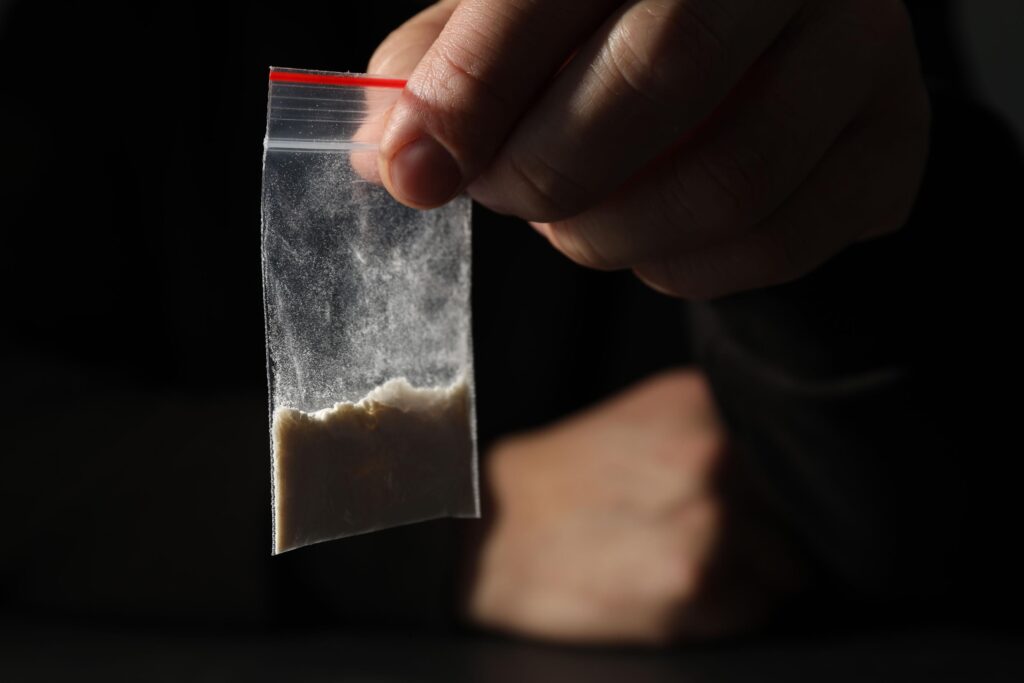
Common forms of cocaine
Cocaine is a powerful, highly addictive stimulant that is illegal for recreational use across the country, and it carries a very high potential for addiction and lasting health complications. People who develop a dependence on it can find evidence-based, outpatient support at a cocaine treatment center Colorado. People typically encounter the drug in two forms. The first is a fine white powder that dissolves easily, known chemically as cocaine hydrochloride. This powder is often cut with other substances, from cheap fillers to dangerous stimulants, to stretch a dealer’s profit.
The second form is a hard, crystallized rock widely known as crack cocaine. Cocaine is derived from the leaves of the coca plant, and its core active ingredient stays the same across both forms. What changes is how quickly each form reaches the central nervous system, which is exactly what shapes the different methods of use. Powder dissolves readily in water or mucosal fluids, while crack is made to be heated and vaporized. The faster the drug reaches the brain, the higher the risk of severe addiction.

You can overcome addiction. Reach out to discover:
How is cocaine used: primary routes of administration
The physical form of the drug heavily influences how people take it. When you look closely at how people use cocaine, the answer comes down to whether the drug is a powder or a hardened rock, because that dictates the delivery method. The way a person takes the substance directly affects how quickly it reaches the brain and how intense the immediate effects will be.
There are three primary routes of administration: snorting, smoking, and injecting. Each produces a powerful stimulant effect, but they carry very different timelines and risks. Understanding the ways to use cocaine also helps clinicians determine the safest, most effective level of care for someone seeking help.
| Method of use | Form typically used | Onset of effects |
|---|---|---|
| Snorting (intranasal) | Powder cocaine | 3 to 5 minutes |
| Smoking (inhalation) | Crack or freebase cocaine | Seconds |
| Injecting (intravenous) | Powder dissolved in liquid | 15 to 30 seconds |
Snorting cocaine
Snorting is the most common way to take powder cocaine recreationally. If you are wondering how to snort cocaine, it involves inhaling the fine powder into the nose, where it absorbs through the moist, sensitive nasal tissue. Many people ask why others snort cocaine instead of using another method, and the answer lies in the powder form itself, which dissolves easily in the nasal membranes and enters the bloodstream at a relatively steady pace.
The stimulant effects generally begin within three to five minutes. Users typically feel a rush of energy, false confidence, and euphoria, but this method causes serious local damage to the nose and sinuses over time.
Smoking cocaine
Families frequently ask, can cocaine be smoked? The answer is yes, but usually not in its raw powder form, so people also ask whether you can smoke crack. Crack cocaine is specifically made to be heated at high temperatures. The rock is placed in a glass pipe and heated until it produces thick vapors, which are then inhaled deeply into the lungs.
What happens if you smoke cocaine is a near instant reaction. The vapors pass quickly from the lung tissue into the bloodstream, and delivery to the brain takes only a few seconds. This creates an intense but very short lived high, which is part of what makes smoking crack so habit forming.
Injecting cocaine
Another deeply serious method involves injecting cocaine directly into the body. Some people wonder whether you can inject cocaine safely under any circumstances, and medical professionals agree there is no safe way to do it. Injecting involves dissolving the powder in liquid and delivering it into a vein through a needle, forcing the entire concentrated dose into the body at once.
The overwhelming effects are felt within fifteen to thirty seconds. Some individuals mix cocaine with heroin for an altered experience, a dangerous combination known as a speedball. Injecting dramatically increases the risk of a fatal overdose while destroying vascular health.
Other methods: eating or gumming cocaine
Some people try to consume the drug orally to hide their use. You might wonder what happens if you eat cocaine or rub it on your gums. While less common than snorting or smoking, ingesting cocaine still poses significant, life-threatening risks.
Gumming cocaine means rubbing the powder onto the oral tissues, where it acts as a local anesthetic and numbs the gums, lips, and tongue. The drug is highly acidic and toxic, though, and this direct contact restricts blood flow to the mouth. Over time, that leads to gum recession and serious tooth decay, and in severe cases, the affected tissue can begin to die off.
Swallowing the drug causes gastrointestinal distress and internal tissue damage. The stimulant restricts blood flow to the stomach and intestines, which can cause bleeding ulcers or tissue death. The body absorbs the drug more slowly this way, but the cardiovascular dangers remain severe.
Free Insurance Check
Our rehab center accepts most insurance plans.
Check if your insurance will cover the cost of treatment by filling out our confidential insurance form. We accept most insurance plans.

The dangers of every method of cocaine use
It is important to state plainly that there is no safe way to take cocaine. Every route of administration carries profound, life altering health risks, and the method simply changes which part of the body sustains the most immediate damage. All methods heavily strain the cardiovascular system, raising heart rate and spiking blood pressure to dangerous levels, which creates a constant threat of a sudden, fatal overdose.
Different methods also carry specific, localized risks that build up over time:
- Snorting. Chronic snorting restricts blood flow inside the nasal cavity, leading to sinus infections, severe nosebleeds, and eventual cartilage loss.
- Smoking. Inhaling hot chemical vapors burns the airway and damages lung tissue, and can trigger the suffocating condition often called crack lung.
- Injecting. Sharing needles drastically raises the risk of HIV and hepatitis C, and injecting also causes collapsed veins, skin infections, and abscesses.
- High doses. Regardless of method, taking too much can overwhelm the heart and lead to seizures, strokes, or cardiac arrest.
The physical toll of active addiction is exhausting and isolating, and the internal damage accumulates quickly no matter how the drug enters the body. Compassionate professional support is the safest way to reverse that cycle.
Signs of cocaine addiction and dependence
Recognizing the signs of a cocaine use disorder can be a life saving turning point, and it takes real courage to admit a problem exists. Dependence develops when the brain relies on the drug to function normally, so when the drug wears off, the person experiences intense, punishing withdrawal that makes quitting difficult without professional support.
You might notice drastic shifts in mood, personality, and energy, often bursts of hyperactivity followed by deep exhaustion. Financial problems, missing valuables, and secretive behavior are also common. Physical withdrawal can bring severe depression, relentless fatigue, and strong cravings, and these symptoms often drive a person right back to using for relief.
It is vital to remember that addiction is a medical condition, not a moral failure. You do not have to navigate this alone, and reaching out for professional guidance connects you with people who understand exactly what recovery takes.
WE ARE AVAILABLE 24/7
Request a call for answers and help.
If you or someone you care about is struggling with addiction or mental health problems, request a call to speak with a knowledgeable treatment specialist. Our team is here to help you understand your options for care. There is no cost or obligation to enter treatment by requesting a call.
"*" indicates required fields
Getting help for cocaine addiction in Colorado
Finding the right addiction treatment can feel overwhelming, and at Red Ribbon Recovery Colorado we understand the heavy burden you are carrying. Our programs blend evidence based behavioral therapy with authentic compassion, and we honor the Colorado lifestyle by supporting an active, purposeful path to lasting recovery.
Because we do not provide detox or inpatient care on site, anyone who needs medically supervised withdrawal first is referred to a trusted partner facility, then transitions into our care once stable. From there, our outpatient options meet you at the level of structure that fits your life. A PHP Colorado program offers full day support without an overnight stay, an intensive outpatient program Colorado provides several structured sessions a week, and outpatient rehab Colorado keeps you connected as you step back into daily life.
Because cocaine use so often overlaps with depression, anxiety, or trauma, our dual diagnosis treatment centers Colorado programs treat both the substance use and the underlying mental health concerns at the same time. Our clinical team helps uncover the emotional roots of substance use and stands beside you at every stage, so recovery becomes about building a fuller way of living, not just stopping the drug.
Rehab might feel like a big step, but remember why you're here—you’re looking for a way forward. We can help.
A healthier path can start with one call
Understanding the different ways cocaine is used makes the risks impossible to ignore, and whether the drug is snorted, smoked, or injected, the physical and emotional damage is real. Acknowledging that is a brave and necessary step, and you do not have to take the next one by yourself.
You can safely manage your withdrawal symptoms and begin rebuilding a fulfilling, active life. Please call us at (303) 219-3980 to discuss your personalized treatment options with a caring specialist. You can also visit Red Ribbon Recovery Colorado online to learn more about our comprehensive programs. Contact us and our dedicated team today to schedule a confidential assessment and begin building a healthier, brighter routine.
We are here to help you or a loved one find addiction treatment near you.
Admitting you have a substance abuse problem and asking for help is not always easy. If you or a loved one are struggling with drug addiction, alcohol addiction or another substance use disorder, help is available. You can visit SAMHSA’s National Helpline to learn about resources in your area or reach out to our team by calling (303) 219-3980 to explore personalized treatment.
Key Takeaways
- Cocaine can be consumed in several ways, including snorting, smoking, or injecting.
- Regardless of the method of use, the drug causes significant physical and emotional damage.
- Professional help is available to manage withdrawal symptoms and begin recovery through specialized treatment programs.
Frequently asked questions
How is cocaine used, and what forms does it come in?
Cocaine comes in two main forms that shape how it is used. Powder cocaine, or cocaine hydrochloride, is usually taken by snorting cocaine through the nose or dissolving the powder form in liquid to inject it. The base form, made by processing the powder with baking soda into crack cocaine or freebase cocaine, is used by smoking cocaine in a pipe. Smoking crack produces an intense high within seconds, while snorting takes a few minutes, and because the euphoria fades fast, people often use cocaine again in quick succession.
Why is cocaine so addictive?
Cocaine is highly addictive because it floods the brain with dopamine, the chemical tied to reward. That surge creates powerful cravings, and with repeated use the brain adjusts, so a person needs more of the drug to feel the same effect. This is how ongoing cocaine use and drug abuse can quickly lead to addiction, and why relapse is common without professional support for the underlying substance use.
What are the physical and mental effects and dangers of cocaine?
Cocaine raises blood pressure and heart rate and can cause chest pain, an irregular heartbeat, and damage to blood vessels, which brings a higher risk of heart attack, seizures, and other cardiovascular complications. Smoking can lead to a chronic cough and lung damage, while long term effects include weight loss, memory loss, anxiety, depression, and worsening mental health. Every method is dangerous, and in some cases cocaine can cause sudden death even in otherwise healthy people.
Can you overdose on cocaine, and what happens during withdrawal?
Yes, a cocaine overdose is a real danger and can trigger seizures, heart attack, stroke, and sudden death, and sharing used needles adds the risk of infection on top of that. When the effects wear off, cocaine withdrawal can bring intense cravings along with withdrawal symptoms like fatigue, depression, anxiety, and restlessness. These symptoms are difficult to manage alone, and if medical detox is needed, our team refers you to a trusted partner before continuing your care.
How is cocaine addiction treated?
Treatment starts with an assessment that matches you to the right level of care and the treatment options that fit your life. Because Red Ribbon Recovery Colorado does not offer detox or inpatient care on site, anyone who needs medically supervised withdrawal first is referred out, then continues with our outpatient programs. Proven approaches like behavioral therapy, contingency management, and group therapy help build coping skills, while dual diagnosis care addresses co-occurring mental health concerns. If you or a loved one is struggling, reaching out for professional help is the first step toward lasting recovery.
Treatment center reviews
Sources
- National Institute on Drug Abuse. (September 27, 2024). Cocaine. National Institute on Drug Abuse.
- Substance Abuse and Mental Health Services Administration. (June 9, 2023). National Helpline for Mental Health, Drug, Alcohol Issues. Substance Abuse and Mental Health Services Administration.
- National Library of Medicine. (November 20, 1996). Crack cocaine and cocaine hydrochloride. Are the differences myth or reality?. National Library of Medicine.
- National Institute on Drug Abuse. (September 27, 2024). Cocaine. National Institute on Drug Abuse.
About the content

Written by: Carli Simmonds. Carli Simmonds holds a Master of Arts in Community Health Psychology from Northeastern University. From a young age, she witnessed the challenges her community faced with substance abuse, addiction, and mental health challenges, inspiring her dedication to the field.

Medically reviewed by: Jodi Tarantino, MSW, LICSW. Jodi Tarantino is an experienced, licensed Independent Clinical Social Worker (LICSW) and Program Director with over 20 years of experience in Behavioral Healthcare. Also reviewed by the RRR Editorial team.
Red Ribbon Recovery is committed to delivering transparent, up-to-date, and medically accurate information. All content is carefully written and reviewed by experienced professionals to ensure clarity and reliability. During the editorial and medical review process, our team fact-checks information using reputable sources. Our goal is to create content that is informative, easy to understand and helpful to our visitors.