
If you are wondering how long do benzos stay in your system, there may be a practical reason behind the question. You might be preparing for a drug test, trying to understand how long a prescription remains detectable, or becoming concerned about how regularly benzodiazepines have become part of your routine. No single detection window applies to everyone.
The answer depends on the specific benzodiazepine, its half-life, how much and how often it has been taken, individual health factors, and the type of drug test being used. Some benzodiazepines leave the body relatively quickly, while longer-acting drugs and their metabolites can remain detectable considerably longer. Understanding that difference is more useful than relying on one number, especially because the period a drug can be detected is not the same as the length of time its effects are felt.
The short answer
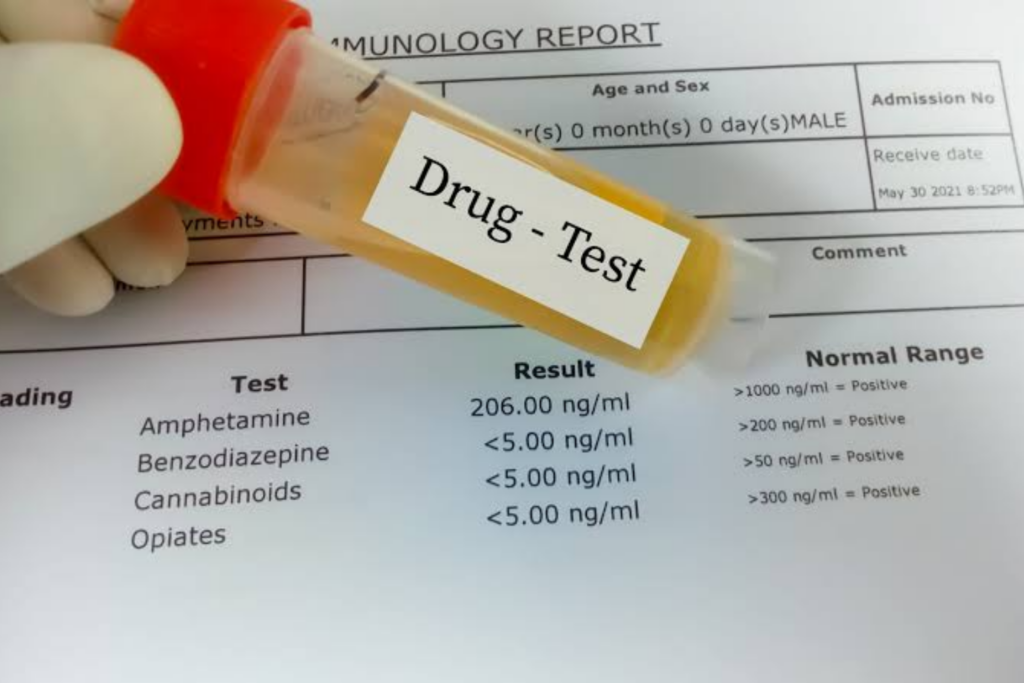
The most accurate answer for how long benzos stay in your system is that detection can range from a few days to much longer, depending on the drug and testing method. Shorter-acting benzodiazepines generally have shorter detection windows, while longer-acting medications and repeated use can extend the amount of time the drug or its metabolites remain detectable.
The type of test also matters:
- Urine testing generally has a longer detection window than blood or saliva testing
- Blood testing is typically more useful for identifying recent exposure
- Saliva testing tends to have a shorter and more variable window
- Hair testing can reflect benzodiazepine exposure over a much longer period
Frequency of use can change those estimates significantly. Someone who has taken a single prescribed dose may have a very different detection window from a person who has used benzodiazepines regularly over an extended period.
If benzodiazepine use has become difficult to reduce, is occurring outside prescription guidance, or is causing problems in everyday life, addiction treatment programs can help clarify what kind of support may be appropriate.
Understanding benzodiazepine half-life
A benzodiazepine’s half-life is the amount of time it takes the body to reduce the level of the drug by about half. It is one of the main factors that influences how long a medication remains active and how long it may continue to be detected.
Half-life is useful, but it does not give an exact countdown to when a drug will be completely gone. Benzodiazepines differ widely in how quickly they are metabolized, and some break down into active metabolites that remain in the body longer than the original drug.
That is why two people who take different benzodiazepines can have very different detection windows even when the dose or timing looks similar on paper.
A few factors matter most:
- Which benzodiazepine was taken
- Whether the drug is short-, intermediate-, or long-acting
- How often it has been used
- Whether active metabolites are produced
- Liver and kidney function
- Other medications or substances being used at the same time
For treatment planning, half-life matters for another reason too. A longer-acting benzodiazepine may leave the body more gradually, while shorter-acting drugs can produce changes in blood concentration more quickly. Those differences can affect when withdrawal symptoms begin and how closely a taper or other clinical support may need to be monitored.

You can overcome addiction. Reach out to discover:
How benzodiazepines affect the brain and body
Benzodiazepines increase the effect of gamma-aminobutyric acid, or GABA, a neurotransmitter that helps slow activity in the central nervous system. That is why these prescription medications may reduce anxiety, promote sedation, relax muscles, or help with certain sleep or seizure-related conditions.
The effects can vary considerably from one person to another. Dose, age, health, other medications, frequency of use, and the specific benzodiazepine all influence how strongly the drug is felt and how long those effects last.
It is also important to separate how long the effects are felt from how long the drug remains detectable. Sedation or anxiety relief may fade before the medication or its metabolites have fully left the body.
When benzodiazepines are used regularly, the treatment conversation can become more complicated. Repeated use may lead to tolerance or physical dependence, and stopping suddenly can trigger significant withdrawal symptoms. That makes understanding the specific medication and its half-life especially important when someone is considering reducing or stopping use.
Short-, intermediate-, and long-acting benzodiazepines
Benzodiazepines are often grouped according to how long they remain active in the body. These categories are useful for understanding general patterns, but they are not exact cutoffs, and individual response can vary.
| Type | General pattern | Examples |
|---|---|---|
| Short-acting | Effects tend to wear off more quickly, and withdrawal symptoms may begin sooner after the last dose | Triazolam, midazolam |
| Intermediate-acting | Fall between the shorter- and longer-acting ends of the spectrum | Lorazepam, temazepam, alprazolam |
| Long-acting | Remain in the body longer and may produce active metabolites that extend the detection window | Diazepam, clonazepam, chlordiazepoxide |
Short-acting benzodiazepines
Shorter-acting benzodiazepines generally leave the body more quickly than long-acting medications, but that does not mean they are automatically easier to stop. Because drug levels can fall more rapidly, withdrawal symptoms may begin sooner after the last dose.
Intermediate-acting benzodiazepines
Intermediate-acting medications sit between the two extremes. Their clearance can still vary depending on dose, frequency, liver function, and whether other medications are involved.
Long-acting benzodiazepines
Long-acting benzodiazepines can remain in the body for much longer, especially with repeated use. Some also produce active metabolites that continue circulating after the original medication has been broken down.
With regular use, accumulation can extend both the detection window and the amount of time it takes the body to adjust after the medication is reduced or stopped.
Free Insurance Check
Our rehab center accepts most insurance plans.
Check if your insurance will cover the cost of treatment by filling out our confidential insurance form. We accept most insurance plans.

How long do benzos stay detectable on different drug tests?
The testing method can significantly change the answer to how long do benzos stay in your system. For example, blood tests can detect benzodiazepines for approximately 12-24 hours after the last use, while hair tests can show the presence of benzodiazepines for up to 4-6 months.
| Testing method | General detection pattern |
|---|---|
| Urine | Commonly detects use for several days and sometimes longer after repeated or long-acting use |
| Blood | Usually reflects more recent exposure and has a shorter detection window |
| Saliva | Often detects relatively recent use, with timing varying by medication |
| Hair | Can reflect use over a much longer period, often measured in weeks or months |
| Home tests | May provide a preliminary result but can miss some benzodiazepines depending on the test design |
Urine testing is commonly used because it can identify benzodiazepine metabolites after the noticeable effects have worn off. However, basic screening tests do not detect every benzodiazepine equally well, so a negative result does not always rule out recent use. Confirmatory laboratory testing may be needed when accuracy matters.
What changes how long benzos stay in your system?
Detection time depends on more than the medication name. Important factors include:
- Dose and frequency of use: Repeated dosing can lead to accumulation and longer detection windows
- Half-life: Longer-acting benzodiazepines generally remain detectable longer
- Duration of use: Regular use over an extended period can delay clearance
- Liver and kidney function: These organs help process and eliminate benzodiazepines and their metabolites
- Age and metabolism: Clearance can vary from person to person
- Other medications or substances: Some can change how benzodiazepines are metabolized
The key point is that no chart can predict an exact negative test date for every person. Detection windows are estimates, and they become less predictable with long-term use, higher doses, or multiple substances.
WE ARE AVAILABLE 24/7
Request a call for answers and help.
If you or someone you care about is struggling with addiction or mental health problems, request a call to speak with a knowledgeable treatment specialist. Our team is here to help you understand your options for care. There is no cost or obligation to enter treatment by requesting a call.
"*" indicates required fields
Combining benzos with alcohol, opioids, and other substances
Combining benzos with other substances can increase risk even when each drug has been prescribed. Benzodiazepines slow activity in the central nervous system by enhancing signaling at GABA receptors, which contributes to sedation, anxiety reduction, and muscle relaxation. When another depressant is added, those effects can become much stronger.
The greatest concern is combining benzos with:
- Alcohol, which can deepen sedation, impair coordination, and increase the risk of dangerous breathing problems
- Opioids, which also suppress the central nervous system and can substantially increase overdose risk when combined with benzodiazepines
- Other prescription drugs, which may change how benzodiazepines are metabolized or add to sedation
- Multiple substances used together over time, which can make both withdrawal and treatment planning more complicated
For that reason, benzodiazepine detection and safety are related but different questions. A person may no longer feel sedated even while benzodiazepines remain detectable on standard drug tests.
Benzodiazepine dependence vs. addiction
Benzodiazepine dependence can develop when the body adapts to regular use. This can happen with prescribed benzodiazepines as well as with misuse, and it does not automatically mean someone has an addiction.
| Term | What it means |
|---|---|
| Tolerance | The same dose may produce less effect over time |
| Physical dependence | The body has adapted to regular exposure and may react when the medication is reduced or stopped |
| Benzodiazepine addiction | Use becomes difficult to control and continues despite health, relationship, work, or other consequences |
| Substance use disorder | A clinical diagnosis based on patterns such as impaired control, risky use, and continued use despite harm |
The distinction matters. Someone taking a commonly prescribed benzodiazepine for anxiety disorders, panic disorders, insomnia, or muscle spasms may develop physical dependence without misusing the medication. Addiction involves a broader pattern of compulsive or harmful use.
Possible warning signs of benzodiazepine addiction can include:
- Taking more than prescribed
- Increasing the dose without medical guidance
- Seeking prescriptions from multiple sources
- Continuing use despite health or relationship problems
- Using benzos with alcohol or other drugs
- Feeling unable to function without the medication
- Experiencing cravings or withdrawal symptoms when reducing use
When anxiety or panic symptoms are part of the pattern, anxiety therapy Colorado or panic disorder treatment may help address the condition that originally led to benzodiazepine use.
OUR PROCESS
1
Get in touch
with us2
Do a free
assessment3
Review your
insurance4
Start your
addiction treatment
Benzodiazepine withdrawal symptoms and why medical supervision matters
Benzodiazepine withdrawal can be serious, particularly after regular or long-term use. Abruptly stopping the medication can cause the central nervous system to become overactive after adapting to the drug’s calming effects.
Common withdrawal symptoms may include:
- Rebound anxiety
- Insomnia
- Irritability or agitation
- Sweating
- Tremors
- Difficulty concentrating
- Increased sensitivity to light, sound, or touch
- Nausea or physical discomfort
In more severe cases, serious complications can include seizures, confusion, or delirium.
The timing can vary significantly. Short-acting benzos may produce symptoms sooner after the last dose, while long-acting benzos may not lead to noticeable withdrawal for several days. How long benzos remain in the body is only one part of that picture. Dose, chronic use, age, other substances, and individual factors also matter.
Because of those risks, benzodiazepines should not be stopped abruptly without medical guidance. Medical supervision allows a qualified clinician to review medication history, monitor symptoms, and determine how gradually to reduce the dose. No single taper schedule is appropriate for everyone.
When more structured treatment may be appropriate
Professional help can look different depending on the severity of benzodiazepine dependence, current withdrawal symptoms, other drug use, physical health, and co-occurring mental health concerns.
| Level of care | General structure |
|---|---|
| Residential treatment | Live-in care with a high degree of structure and support |
| Partial hospitalization | Intensive daytime treatment without an overnight stay |
| Intensive outpatient | Structured treatment across several sessions while allowing more daily independence |
| Standard outpatient | Lower-intensity ongoing treatment and recovery support |
When substantial structure is needed, a residential treatment center Colorado may be considered as part of the treatment plan.
As stability improves, PHP Colorado can support a more structured daytime schedule. An intensive outpatient program Colorado may fit people who can safely maintain more independence, while outpatient rehab Colorado can support continued progress at a lower level of intensity.
The right starting point is determined by clinical need rather than by assuming everyone should move through the same sequence.
Meet the team of specialists at Red Ribbon Recovery Colorado

Christine Mitchell
Program Director
Olivia Contillo
Lead Case Manager
Nicole Fredericksen
Primary Therapist
Treatment after benzodiazepine use withdrawal
Withdrawal management addresses the body’s immediate adjustment, but recovery often involves understanding what was driving continued benzodiazepine use and what support will be needed afterward.
Within broader addiction treatment programs, treatment may focus on:
- Cravings and patterns connected with continued drug use
- Anxiety, insomnia, or panic symptoms that may have contributed to benzodiazepine use
- Coping strategies for stress without relying on the medication
- Relationships and environments connected with substance use
- Ongoing relapse-prevention planning
Cognitive behavioral therapy may help address thought and behavior patterns connected with anxiety, sleep difficulties, or substance use.
When benzodiazepine addiction occurs alongside another mental health condition or substance use disorder, dual diagnosis treatment centers Colorado may help keep both concerns within the same broader treatment plan.
Recovery is not simply about how long benzodiazepines stay detectable. It is about safely managing dependence, understanding what made continued use difficult to change, and building enough support to move forward without returning to the same pattern.
Insurance coverage for benzodiazepine treatment
Insurance may help cover some costs associated with addiction and mental health treatment, but benefits vary by plan, level of care, network status, and authorization requirements. Reviewing coverage beforehand can help clarify which services may be included and what out-of-pocket costs could apply.
You can verify your insurance to learn more about your benefits and potential treatment coverage.
Rehab might feel like a big step, but remember why you're here—you’re looking for a way forward. We can help.
Take the first step towards benzodiazepine addiction recovery
Benzodiazepine use can become complicated quietly, especially when a medication that once helped with anxiety, panic, or sleep starts to feel harder to reduce or stop. At that point, the question is no longer only how long do benzos stay in your system. It is also whether dependence, withdrawal, or another mental health concern is making the next step harder to manage alone.
The right support depends on the medication involved, how long it has been used, current withdrawal symptoms, other substances, and what life looks like outside treatment. A clinical conversation can help bring those pieces together and clarify what level of care may make sense. Contact us or call (303) 219-3980 to talk through your options and learn what the next step could look like.
We are here to help you or a loved one find addiction treatment near you.
Admitting you have a substance abuse problem and asking for help is not always easy. If you or a loved one are struggling with drug addiction, alcohol addiction or another substance use disorder, help is available. You can visit SAMHSA’s National Helpline to learn about resources in your area or reach out to our team by calling (303) 219-3980 to explore personalized treatment.
Key Takeaways
- The issue with benzodiazepine use often extends beyond how long the drug stays in the system to include the challenges of dependence and withdrawal.
- Proper support for stopping benzodiazepine use is highly individualized, depending on the specific medication, duration of use, withdrawal symptoms, and other personal factors.
- Seeking a professional clinical consultation is recommended to assess the situation and determine the most appropriate level of care for recovery.
Frequently asked questions
How accurate are saliva tests for detecting benzodiazepines?
Saliva tests can detect benzodiazepines after recent use, although the window varies by the exact medication, dose, and test sensitivity. They are convenient and noninvasive but may be less sensitive to low concentrations than some laboratory tests. Whether someone will test positive also depends on which benzodiazepine the test is designed to detect.
Can home drug tests detect benzodiazepines reliably?
Home drug tests and at-home drug tests can provide preliminary results, but they do not identify all common benzodiazepines equally well. Some screening methods look for particular drug metabolites, so recent use may occasionally be missed. Laboratory confirmation may be needed when healthcare professionals need to monitor drug use or when greater accuracy is important.
How long do benzos affect you compared with how long they remain in the body?
The effects of benzos on alertness, coordination, or anxiety can be much shorter than the period they remain in the body. A rough pharmacokinetic estimate sometimes uses about five half-lives for substantial elimination, but this does not predict an exact detection window. Benzodiazepines prescribed to treat anxiety may therefore remain detectable after their noticeable effects have faded.
What other factors affect benzodiazepine detection times?
Detection times vary according to dose, frequency, half-life, age, metabolism, and other factors. Older adults, chronic users, and people with impaired liver function may clear certain benzodiazepines more slowly. Healthy liver function supports drug metabolism, while kidney function can influence elimination of some drug metabolites. Body composition, including higher body fat percentages, may also affect some benzodiazepines, although it cannot reliably predict an individual detection window.
Why might benzodiazepine testing matter during a recovery journey?
Testing may be used in clinical care to detect benzodiazepines, while longer-window methods such as hair testing may sometimes appear in settings such as child custody cases. For a recovery journey, however, a test result is only one piece of the picture. Dependence and withdrawal risk matter too. Benzodiazepine withdrawal can cause serious complications, as can alcohol withdrawal, so stopping regular use should be discussed with a qualified healthcare professional.
Treatment center reviews
Sources
- National Institute on Drug Abuse. (2024). Benzodiazepines and opioids. National Institutes of Health.
- National Library of Medicine. (2024). Benzodiazepine toxicity. StatPearls.
About the content

Written by: Carli Simmonds. Carli Simmonds holds a Master of Arts in Community Health Psychology from Northeastern University. From a young age, she witnessed the challenges her community faced with substance abuse, addiction, and mental health challenges, inspiring her dedication to the field.

Medically reviewed by: Jodi Tarantino, MSW, LICSW. Jodi Tarantino is an experienced, licensed Independent Clinical Social Worker (LICSW) and Program Director with over 20 years of experience in Behavioral Healthcare. Also reviewed by the RRR Editorial team.
Red Ribbon Recovery is committed to delivering transparent, up-to-date, and medically accurate information. All content is carefully written and reviewed by experienced professionals to ensure clarity and reliability. During the editorial and medical review process, our team fact-checks information using reputable sources. Our goal is to create content that is informative, easy to understand and helpful to our visitors.