Living with obsessive-compulsive disorder treatment (OCD) can feel like being trapped in a relentless cycle of unwanted thoughts and uncontrollable actions. It’s exhausting, isolating, and it can make you feel like you’re losing control. If you’re searching for an OCD treatment centers in Colorado, please know you’re not alone, and more importantly, there is a path forward. Effective, compassionate care is available to help you break free from the grip of OCD and reclaim your life. It all starts with understanding what you’re facing and knowing that real, lasting recovery is possible.
What are anxiety disorders and OCD?
It’s easy to confuse the persistent worry of anxiety disorders with the unique challenges of OCD, but they are different. OCD is defined by two core components that create a draining cycle. First, there are obsessions, which are intrusive and unwanted thoughts, images, or urges that cause intense distress. These aren’t everyday worries; they often feel irrational and completely out of line with your values. To cope with the anxiety from these obsessions, you may feel driven to perform compulsions. These are repetitive behaviors or mental acts, like checking, cleaning, or counting, done to reduce the anxiety or prevent a feared event. While compulsions might offer temporary relief, they ultimately reinforce the cycle, making the obsessions stronger over time.
This constant loop can significantly impact your mental health and daily life. For some, the distress of these OCD symptoms can lead to developing co-occurring disorders, such as turning to substances to numb the anxiety. Recognizing this connection is a critical part of healing, as the effective treatment of OCD and any substance use disorders must address both conditions simultaneously.

You can overcome addiction. Reach out to discover:
Common signs of OCD
Obsessive compulsive disorder (OCD) is a mental health condition that goes far beyond being neat, organized, or detail-oriented. OCD involves persistent, unwanted thoughts and repetitive behaviors that interfere with daily life and create significant anxiety. Symptoms can vary widely from person to person, and they often worsen over time without appropriate treatment. At an obsessive compulsive disorder treatment center in Colorado, accurate diagnosis is the first step toward relief and long-term recovery.
Obsessions: intrusive and unwanted thoughts
Obsessions are the intrusive thoughts, urges, or mental images that cause distress and anxiety. These thoughts are unwanted and often feel impossible to ignore, even when a person knows they are irrational. Common obsessive thoughts may involve fears of contamination, harm, morality, symmetry, or losing control. For many patients, these obsessions dominate mental space and make it difficult to focus on work, relationships, or everyday responsibilities.
Compulsions: repetitive behaviors and rituals
Compulsive behaviors are repetitive actions or mental rituals performed to reduce anxiety caused by obsessive thoughts. These may include excessive handwashing, checking, counting, reassurance seeking, skin picking, or repeating actions until they feel “just right.” While compulsive rituals may offer brief relief, they reinforce the OCD cycle and often grow more time-consuming, making symptoms worse over time.
How OCD impacts daily life
When OCD is left untreated, symptoms can significantly interfere with daily life, work performance, relationships, and overall mental health. Many people with OCD also experience co-occurring anxiety disorders or depression, and some struggle with shame or isolation due to the nature of their intrusive thoughts. Severe OCD can limit a person’s ability to function independently and may require more intensive treatment options.
OCD vs. similar conditions
OCD is sometimes confused with other conditions that share similar symptoms, such as obsessive compulsive personality disorder, anxiety disorders, or OCD spectrum disorders like skin picking disorder or Tourette syndrome. Accurate diagnosis by a mental health professional is essential, as treatment approaches differ. OCD is diagnosed based on the presence of obsessions and compulsions that are time-consuming, distressing, and disruptive to life.
When to seek OCD treatment
If obsessive thoughts, compulsive behaviors, or anxiety are interfering with your ability to live your life, it may be time to seek treatment. OCD is highly treatable with evidence-based care, especially when addressed early. A comprehensive treatment plan may include exposure and response prevention ERP therapy, cognitive therapy, and medications such as selective serotonin reuptake inhibitors. With appropriate treatment and support, many patients learn to manage symptoms and experience meaningful improvement over time.
Free Insurance Check
Our rehab center accepts most insurance plans.
Check if your insurance will cover the cost of treatment by filling out our confidential insurance form. We accept most insurance plans.

Obsessive-compulsive disorder treatment
When it comes to OCD treatment, you deserve care that’s proven to work. The most effective, evidence-based therapies are designed to help you break the cycle of obsessions and compulsions. At the heart of this is a specific type of cognitive behavioral therapy (CBT) called exposure and response prevention (ERP) therapy. Here’s a quick look at the gold-standard treatments:
- Exposure and response prevention (ERP). This is the cornerstone of OCD treatment. ERP involves gradually and safely confronting the thoughts, images, and situations that trigger your obsessions (exposure) while choosing not to perform the compulsive behavior you’d normally do (response prevention). It’s challenging work, but it trains your brain to manage the anxiety without needing the ritual. Studies on exposure and response prevention show it is a highly effective approach.
- Cognitive behavioral therapy (CBT). CBT for OCD helps you identify and challenge the distorted thought patterns that fuel your obsessions. You’ll learn to recognize that these intrusive thoughts don’t define you and develop healthier ways of thinking and behaving.
- Medications. For many people, medications can be a helpful tool alongside therapy. The most common are Selective Serotonin Reuptake Inhibitors (SSRIs), which can help reduce the intensity of obsessions and compulsions, making it easier to engage in ERP.
These treatments are available in different settings to fit your needs. Many people find success in an outpatient or intensive outpatient program (IOP), which provides structured support while allowing you to live at home. For those needing more support, a partial hospitalization program (PHP) offers a higher level of care. To learn more about our programs, you can begin the admissions process today.
What to expect from OCD and anxiety outpatient treatment
Taking the first step toward outpatient treatment can feel intimidating, but it’s a journey you won’t have to walk alone. It begins with a comprehensive assessment where our team gets to know you, your specific symptoms, and your goals. From there, we create a personalized treatment plan that fits your life. In a Red Ribbon Colorado recommended outpatient program, you’ll typically attend therapy sessions several times a week. An intensive outpatient program (IOP) offers more hours of therapy per week than standard outpatient, while a partial hospitalization program (PHP) provides the most intensive level of care without requiring you to stay overnight.
Treatment duration varies for everyone; there’s no set timeline. Recovery is a process, and our goal is to equip you with relapse prevention skills so you can manage OCD symptoms long after you complete the program. If left untreated, OCD can worsen, but with the right support, you can learn to navigate challenges and build a fulfilling life. We accept most private insurance and offer same-day admissions for adults to make starting as simple as possible.
Rehab might feel like a big step, but remember why you're here—you’re looking for a way forward. We can help.
Frequently asked questions
What happens if OCD is not treated?
If OCD is not treated, symptoms often worsen over time and can significantly impact a person’s mental health and daily life. The cycle of obsessions and compulsions may become more intense, consuming more time and making it difficult to maintain relationships, work, or school responsibilities.
This ongoing distress can also increase the risk of developing other conditions, like depression or anxiety disorders. Seeking professional care is a crucial step to break the cycle and manage the disorder effectively.
Are there medications for OCD?
Yes, medications can be a very helpful part of an OCD treatment plan for many adults, especially when used alongside therapy. The most commonly prescribed medications are a class of antidepressants known as Selective Serotonin Reuptake Inhibitors (SSRIs).
These can help reduce the intensity of obsessions and compulsions, which makes it easier for patients to engage in therapeutic work. A medical provider can help determine if this is the right option for you.
How long does OCD treatment take?
The length of OCD treatment varies for everyone because each person’s journey is unique. The timeline depends on factors like the severity of symptoms and the type of program you’re in. Some people in an intensive outpatient program (IOP) may notice improvements within a few months.
The main goal is to build lasting skills, not just to get through the program quickly. Your care team will work with you to create a personalized plan that supports your progress at a comfortable pace.
Can OCD come back after treatment?
OCD is often considered a chronic condition, meaning symptoms can sometimes return or intensify, particularly during periods of high stress. However, this doesn’t mean treatment has failed. A good treatment program gives you the tools and skills needed to manage these flare-ups effectively.
Learning relapse prevention strategies is a key part of recovery. With practice and support, you can learn to navigate challenges and maintain your progress long after your formal treatment ends.
Find help treating OCD in Colorado
Living with OCD is tough, but it’s important to remember that it is a treatable condition. With specialized, compassionate care, recovery is not just a hope; it’s an achievable reality. You don’t have to face this alone. Effective and integrated outpatient programs are available right here in Denver and across Colorado to help you find relief and build a life free from the confines of obsessions and compulsions. Taking that first step is often the hardest part, but it’s a sign of incredible strength.
You have the power to change your story. When you’re ready, we encourage you to take the next step. You can start by getting a confidential assessment or calling us at (303) 219-3980. At Red Ribbon Recovery Colorado, we’re here to support you on your path to recovery. Please don’t hesitate to contact us to learn more about how we can help.
We are here to help you or a loved one find addiction treatment near you.
Admitting you have a substance abuse problem and asking for help is not always easy. If you or a loved one are struggling with drug addiction, alcohol addiction or another substance use disorder, help is available. You can visit SAMHSA’s National Helpline to learn about resources in your area or reach out to our team by calling (303) 219-3980 to explore personalized treatment.
Treatment Center Reviews
Bridget LaRocco
I have been to this facility twice now, for Laser Hair removal and Botox. I saw Kim 2 times now for laser and she has been great, she made me feel really comfortable and…
Bridget LaRocco
I have been to this facility twice now, for Laser Hair removal and Botox. I saw Kim 2 times now for laser and she has been great, she made me feel really comfortable and…
Bridget LaRocco
I have been to this facility twice now, for Laser Hair removal and Botox. I saw Kim 2 times now for laser and she has been great, she made me feel really comfortable and…
Sources
- University of North Dakota Center for Rural Health. (August 14, 2020). Obsessive compulsive disorder. University of North Dakota.
- National Institute of Mental Health. (January 1, 2019). Statistics. National Institute of Mental Health.
- University of Florida Department of Psychiatry. Medications for OCD. University of Florida.
- National Center for Biotechnology Information. (December 24, 2019). Exposure and response prevention in the treatment of obsessive-compulsive disorder: A review. National Center for Biotechnology Information.
- National Center for Biotechnology Information. (January 1, 2019). Exposure and response prevention for obsessive-compulsive disorder. National Center for Biotechnology Information.
- National Center for Biotechnology Information. (October 27, 2022). A thematic analysis of barriers and facilitators to participant recruitment and retention in online trials of exposure and response prevention (ERP) for obsessive-compulsive disorder (OCD). National Center for Biotechnology Information.
- National Center for Biotechnology Information. (August 12, 2021). Restriction of access to deep brain stimulation for refractory obsessive-compulsive disorder in the United States. National Center for Biotechnology Information.
- National Center for Biotechnology Information. (February 17, 2000). Differences and similarities between obsessive intrusive thoughts and worry in the general population: A comparative analysis. National Library of Medicine.
About the content
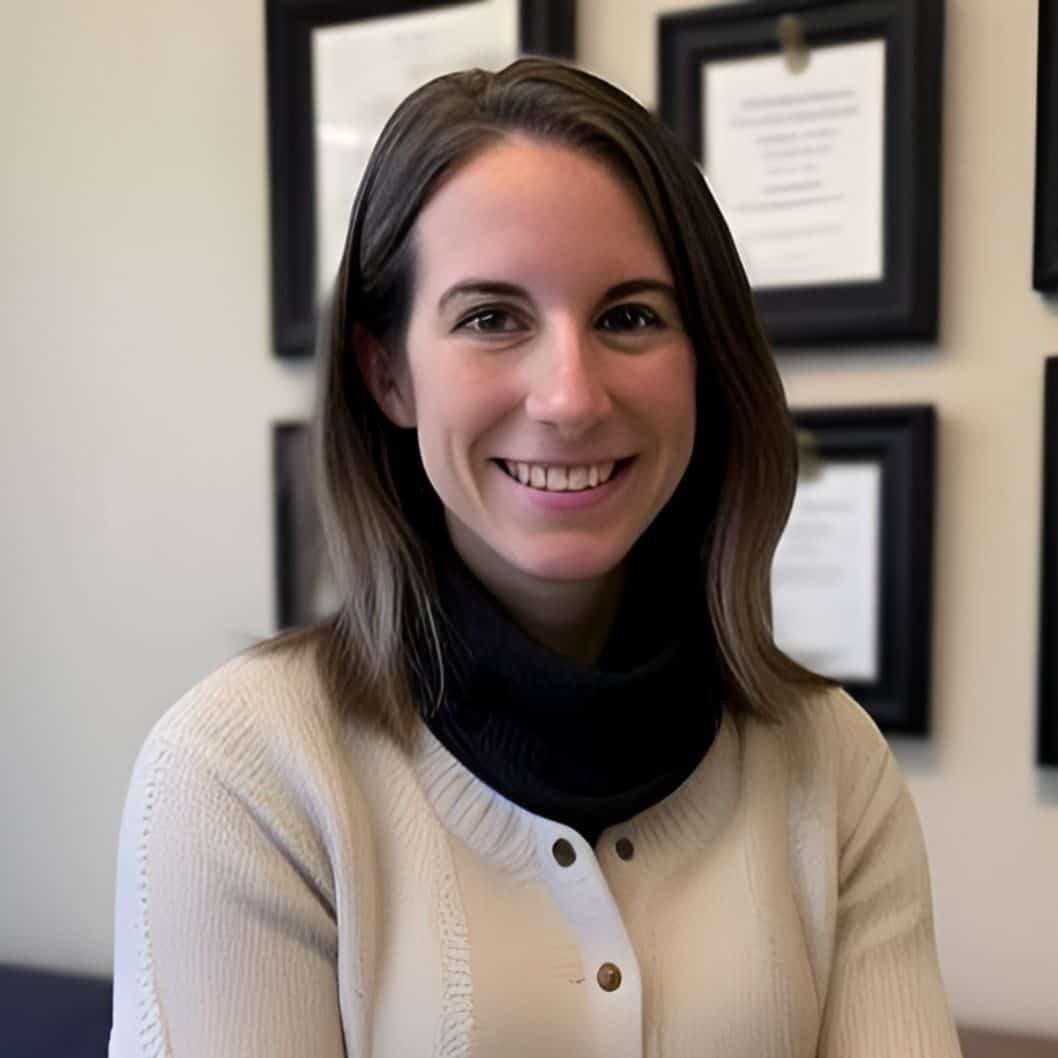
Written by: Carli Simmonds. Carli Simmonds holds a Master of Arts in Community Health Psychology from Northeastern University. From a young age, she witnessed the challenges her community faced with substance abuse, addiction, and mental health challenges, inspiring her dedication to the field.
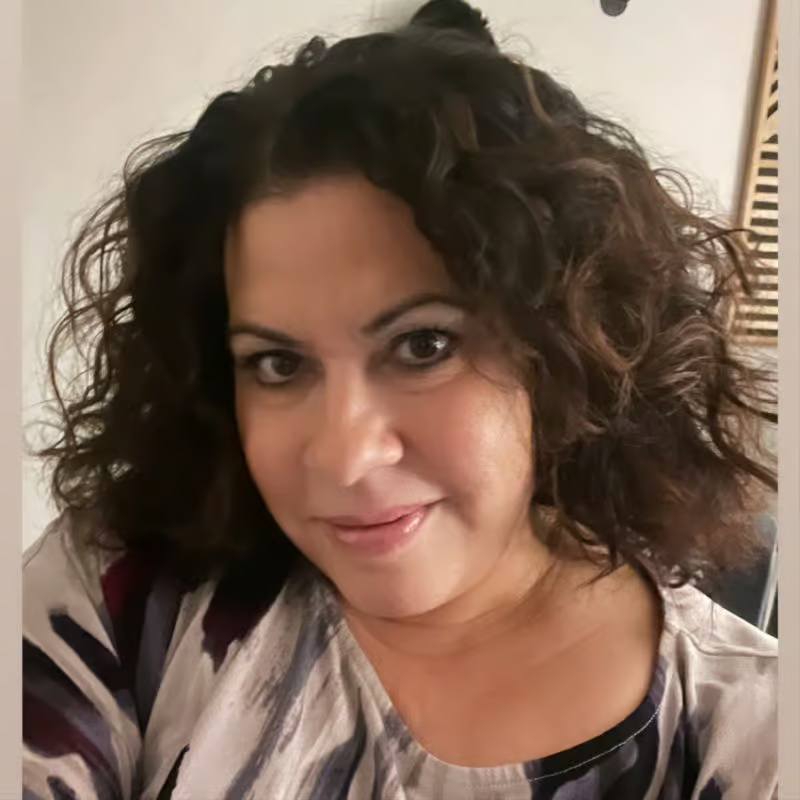
Medical reviewed by: Jodi Tarantino, LICSW. Jodi Tarantino is an experienced, licensed Independent Clinical Social Worker (LICSW) and Program Director with over 20 years of experience in Behavioral Healthcare. Also reviewed by the RRR Editorial team.
Red Ribbon Recovery is committed to delivering transparent, up-to-date, and medically accurate information. All content is carefully written and reviewed by experienced professionals to ensure clarity and reliability. During the editorial and medical review process, our team fact-checks information using reputable sources. Our goal is to create content that is informative, easy to understand and helpful to our visitors.