

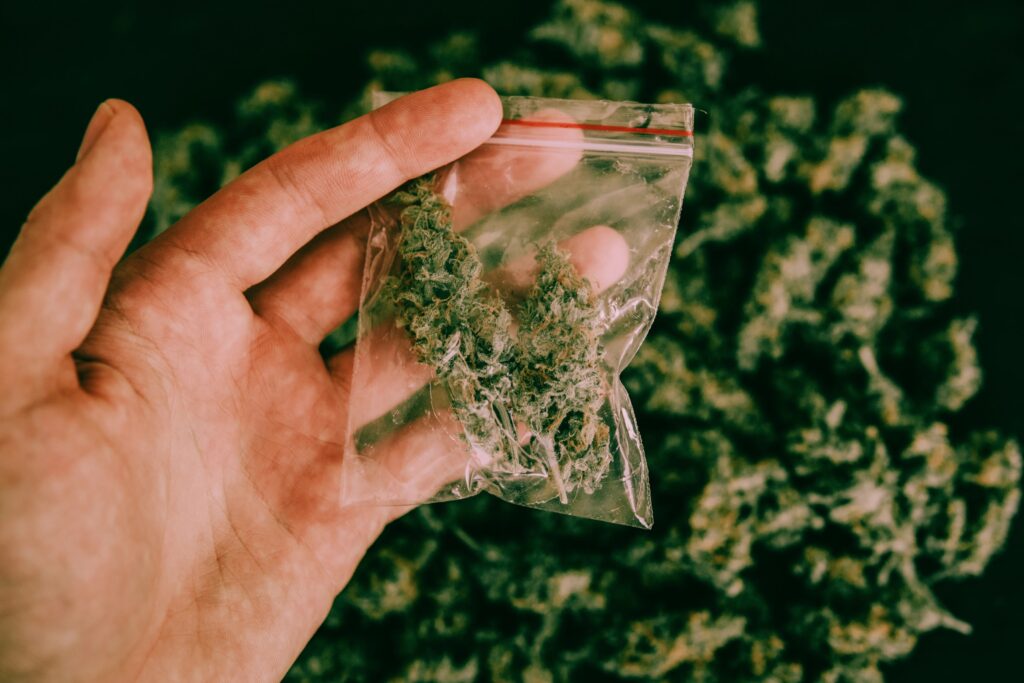
If you’ve heard about K2 or Spice, you might be wondering what it is and if it’s as harmless as some people claim. It’s often sold in colorful packages and misleadingly called “synthetic marijuana,” making it sound like a safe, legal alternative to cannabis. But the truth is far more complex and dangerous. When you’re trying to understand the risks, it can be confusing to separate facts from fiction. You’re in the right place to get clear, honest answers. We’re here to walk you through what K2 really is, the risks it carries, and how you can find help if you or someone you care about is struggling.
What is K2?
So, what is K2? It’s important to know that K2, also known as Spice, is not a single drug. It’s a family of man-made chemicals called synthetic cannabinoids. These chemicals are created in a lab and designed to mimic the effects of THC, the main psychoactive compound in marijuana. To sell them, manufacturers spray these potent chemicals onto dried plant material, which is then smoked. Despite being called synthetic marijuana, K2 is not a natural product and is much more dangerous than cannabis. Its effects are unpredictable and can be life-threatening.
These products are often sold in head shops, convenience stores, or online, deceptively marketed as “herbal incense” or “potpourri” to avoid regulation. The packaging is often bright and colorful, designed to appeal to younger people and create a false sense of safety. Labels frequently state “not for human consumption” as a way to sidestep the law.
According to the Psychonaut Web Mapping Research Project, synthetic cannabinoids first appeared in 2005 under the brand name Spice, and since then, countless variations have flooded the market. These are not safe alternatives; they are powerful, unpredictable alternatives to marijuana with serious risks.
Common names
Because manufacturers are constantly changing the chemical formulas, these products are sold under a wide variety of names. Being able to identify them can be a crucial first step. Some of the most common street names for K2 include:
- Spice
- Black Mamba
- Kush
- Kronic
- Bliss
- Bombay Blue
- Fake Weed
- Genie
- Zohai
Dangers of synthetic marijuana
It’s easy to assume that “synthetic marijuana” would have similar effects to natural marijuana, but that couldn’t be further from the truth. The chemicals in K2 bind to the same brain receptors as THC, but they do so more intensely, leading to much stronger and more unpredictable effects. The lack of regulation means you never know what chemicals are in a specific batch or how potent they are. Some batches have even been found to be contaminated with other dangerous substances, including rat poison. In one tragic example, more than 150 hospitalizations and four deaths in Illinois were linked to synthetic cannabinoids laced with this poison.
The health risks associated with K2 are severe and can impact both the body and mind. Unlike the relatively predictable effects of cannabis, K2 can cause extreme reactions that require immediate medical attention. The dangers are so significant that they underscore the importance of understanding the risks of any drug addiction. To put the dangers into perspective, here’s a comparison of the common effects.
| Effect | K2/Spice (synthetic) | Marijuana (natural) |
|---|---|---|
| Psychological Effects | Severe paranoia, extreme anxiety, hallucinations, psychosis | Mild euphoria, relaxation, potential for anxiety |
| Physical Effects | Rapid heart rate, seizures, vomiting, kidney damage | Increased appetite, dry mouth, red eyes |
| Risk of Overdose | High, can be fatal | Low, not typically associated with fatal overdose |
A rapidly emerging threat
The immediate psychoactive effects of K2 are what make it a rapidly emerging threat. Users can experience a sudden and dramatic shift in their physical and mental state. Within minutes of smoking it, many people report an elevated heart rate, severe agitation, and intense anxiety. These feelings can quickly escalate into paranoia, terrifying hallucinations, and violent behavior. Because the chemical makeup is always changing, a person can have a mild experience one time and a life-threatening one the next, even with a product from the same package.
Risk to public health
The long-term effects of K2 use pose a serious risk to public health. Regular use can lead to addiction, as the body and brain start to depend on these powerful chemicals. Over time, this can result in lasting psychological problems, including persistent psychotic disorders that continue even after someone stops using the drug. Physically, one of the most severe long-term consequences is acute kidney injury, which can lead to permanent damage or failure. The unpredictable nature of these synthetic drugs means that every use carries a risk of overdose and, tragically, even death.
Government efforts to ban synthetic drug products
In the United States, law enforcement and public health officials have been working to combat the spread of these dangerous synthetic drugs. The Drug Enforcement Administration (DEA) has classified many of the chemicals found in K2 and Spice as Schedule I substances, making them illegal to sell, buy, or possess. This classification means they have a high potential for abuse and no accepted medical use. Many states have also taken action; for example, Illinois banned all synthetic cannabinoids back in January 2011.
However, enforcing these bans is incredibly challenging. Manufacturers are locked in a constant cat-and-mouse game with lawmakers. As soon as one chemical compound is made illegal, chemists slightly alter its molecular structure to create a new, technically legal version with similar effects. This endless cycle makes it difficult for legal restrictions to keep up, and new synthetic cannabinoids continue to appear on the market. These efforts to control synthetic drugs highlight the ongoing challenge of regulating these ever-changing substances.
Treatment for K2 Use
Hearing about all these risks can feel overwhelming, but it’s so important to remember that hope and healing are possible. If you or someone you love is struggling with K2 use, you are not alone, and effective, compassionate help is available. Moving beyond addiction starts with understanding that recovery is a journey, not a destination, and there are evidence-based care options designed to support you every step of the way. Professional addiction treatment can provide the tools and support needed to build a healthier life.
Modern outpatient addiction treatment programs, like an intensive outpatient program (IOP), offer the flexibility to get help without putting your life on hold. These programs allow you to live at home and continue with work or school while participating in structured therapy.
For those who need support from a distance, telehealth services make it possible for adults in Colorado and across the country to access high-quality care right from home. Furthermore, because K2 use often co-occurs with mental health conditions like anxiety or depression, dual diagnosis treatment is essential for addressing the root causes of addiction and promoting lasting wellness. The first step is often the hardest, but getting a confidential assessment can open the door to a brighter future.
Benefits of an intensive outpatient program
An intensive outpatient program, or IOP, provides a structured and supportive path to recovery while accommodating your daily responsibilities. The benefits of IOPs for K2 addiction are significant:
- Flexibility to maintain your life. You can continue with work, school, and family commitments while receiving comprehensive care.
- Real-world application of skills. You get to practice new coping skills in your everyday environment, which helps reinforce what you learn in therapy.
- Building a strong support network. group therapy sessions connect you with others who understand your struggles, creating a powerful sense of community in a safe, therapeutic environment.
- Access to comprehensive care. IOPs provide a range of services, including individual therapy, group counseling, and family support, all tailored to your unique needs.
Frequently asked questions
Unlike marijuana, which comes from the cannabis plant, K2 contains synthetic cannabinoid chemicals created in laboratories. These synthetic substances bind more strongly to cannabinoid receptors in the brain, leading to much stronger psychoactive effects than THC. Because formulas change frequently to evade regulation, K2 can produce wildly different effects from batch to batch, increasing the risk of severe health issues.
K2 is especially dangerous because it is unregulated and often mixed with unknown chemicals, including reports of contaminants like rat poison. The Drug Enforcement Administration and Health and Human Services agencies warn that these synthetic drugs can cause unpredictable reactions, even in people who have used marijuana before. Young people are particularly at risk because K2 is sometimes falsely perceived as a safer alternative.
Most forms of K2 are classified as controlled substances at the federal level, though manufacturers frequently alter chemical structures to bypass laws. Agencies like the National Institute on Drug Abuse and other dot-gov public health organizations continue to monitor outbreaks tied to new formulas. Despite how it’s marketed or sold, K2 is illegal in many areas and remains a significant public health concern.
Take the first step towards recovery from k2 spice
The most important takeaway is that while K2 is a dangerous and unpredictable substance, no one has to face this challenge alone. Compassionate, evidence-based help is available to guide you on the path to recovery. You have the strength to reclaim your health and build a future free from addiction. Taking that first step is a sign of courage, and it’s the beginning of a new chapter.
If you’re ready to start your journey toward a healthier life, we are here to support you. You can connect with our team at (303) 219-3980 to discuss your options in a confidential, judgment-free space. At Red Ribbon Recovery Colorado, we believe in your potential to heal. For more information or to ask a question, please don’t hesitate to contact us today.
Sources
- New York City Department of Health and Mental Hygiene. (January 1, 2025). K2. New York City Department of Health and Mental Hygiene.
- Centers for Disease Control and Prevention. (August 1, 2023). Synthetic cannabinoids (Spice): An overview for healthcare providers. Centers for Disease Control and Prevention.
- Substance Abuse and Mental Health Services Administration. (October 16, 2014). Drug-related emergency department visits involving synthetic cannabinoids. Substance Abuse and Mental Health Services Administration.
- U.S. Department of Health and Human Services. (September 29, 2013). Distinct pharmacology and metabolism of K2 synthetic cannabinoids. PubMed Central.
- Office of National Drug Control Policy. (April 12, 2013). Synthetic drugs (a.k.a. K2, Spice, bath salts, etc.). Office of National Drug Control Policy.
- Cornell Law School. (July 9, 2012). 21 U.S. Code § 812 – Schedules of controlled substances. Cornell Law School.
- Office of Addiction Services and Supports. (March 29, 2024). Synthetic cannabinoids. Office of Addiction Services and Supports.
- District of Columbia Department of Behavioral Health. (February 1, 2004). Synthetic marijuana can be deadly. District of Columbia Department of Behavioral Health.