

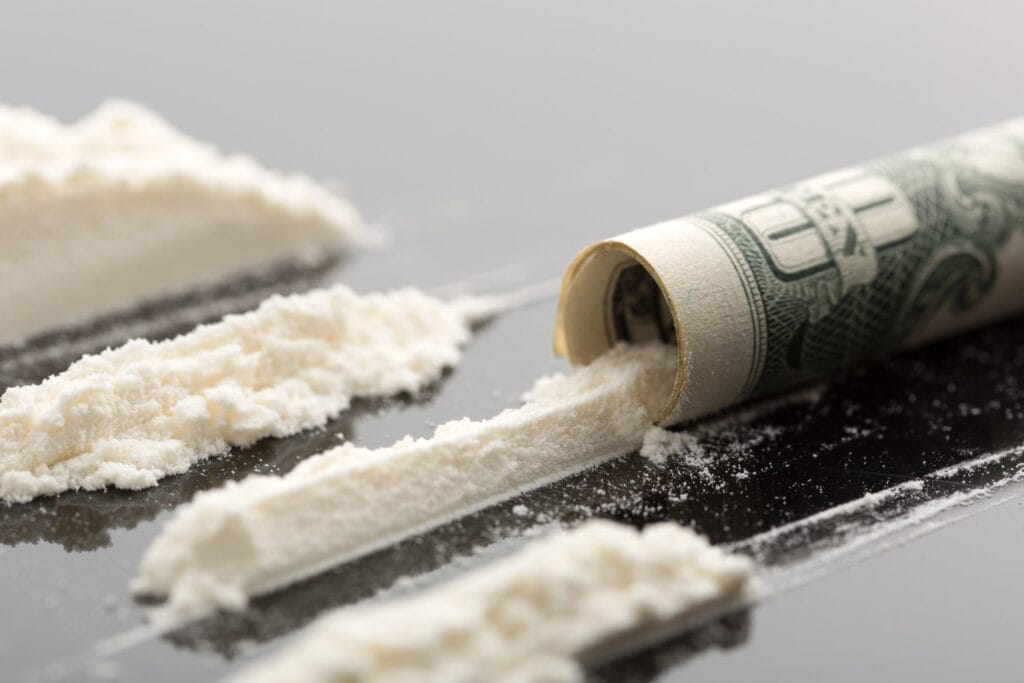
Understanding the world of substance use, including various slang terms, can feel like trying to learn a foreign language, especially when you’re worried about someone you care about. If you’ve heard strange words or nicknames for drugs, you’re not alone. Cocaine, a powerful and addictive stimulant, has a long list of street names used to hide its presence from family, friends, and law enforcement. Knowing these terms isn’t about being suspicious; it’s about being aware and prepared to help if someone is struggling.
What is cocaine?
Cocaine is a highly addictive stimulant drug derived from the leaves of the coca plant, which is native to South America. It directly affects the central nervous system, creating a short-lived feeling of euphoria, energy, and alertness. This powerful drug typically comes in two main forms: a white powder (cocaine hydrochloride) that is usually snorted or dissolved and injected, and crack cocaine, a rock-like form that is smoked. Because it is a stimulant, even prescription drugs can become addictive when not used as directed. No matter how it’s used, the risks associated with this drug are severe, and understanding its different forms is the first step in recognizing a potential problem.
Common slang for cocaine
People often use slang for cocaine to talk about the drug without others knowing. These nicknames can refer to its appearance, effects, or cultural references. Being familiar with these street names for cocaine can help you identify when someone might be talking about drug use. Here are some of the most common nicknames for powder cocaine:
- Coke
- Blow
- Snow
- Powder
- White
- Flake
- Yayo
- Charlie
- Nose Candy
- Big C
Crack cocaine street names
Crack cocaine, the smokable form of the drug, has its own set of street names that often describe its hard, rock-like appearance. These terms, especially those related to smoking crack, are rarely used for powder cocaine. Common nicknames for crack include:
- Rock
- Hard Rock
- Gravel
- Nuggets
- Base
- Freebase
- Bones
- Soap
Nicknames for cocaine mixed with other drugs
Mixing cocaine with other drugs is incredibly dangerous and significantly increases the risk of overdose. These combinations also have specific street names. Understanding what polysubstance abuse means can shed light on the severe risks involved. Here are a few examples:
- Speedball. Cocaine mixed with heroin.
- Bazooka. Cocaine mixed with marijuana.
- Spaceball. Cocaine mixed with PCP.
- Whack. Cocaine mixed with PCP.
How to spot cocaine use
If you’re worried that a loved one might be using cocaine, it’s helpful to know the signs. You might notice changes in their behavior, health, or social habits. Physically, common signs of cocaine use include dilated pupils, a constantly runny nose or nosebleeds, and weight loss.
Behaviorally, you may see mood swings, unusual bursts of energy, paranoia, or social withdrawal. You might also find paraphernalia used to take the drug, such as rolled-up dollar bills, small mirrors, short straws, or glass pipes. Recognizing these signs is a crucial first step in offering support. There are many signs of drug use that can help you identify a problem and start a conversation.
Short-term effects
When someone uses cocaine, the effects appear almost immediately but don’t last long. This can create a cycle of repeated use to maintain the high. Some of the short-term effects include:
- Intense happiness and euphoria
- Increased energy and alertness
- Being overly talkative
- Hypersensitivity to sight, sound, and touch
- Anxiety, irritability, and paranoia
- Increased heart rate and blood pressure
Long-term effects
Over time, continued cocaine use can cause devastating damage to the body and mind. According to the National Institute on Drug Abuse, the health consequences are serious and can be permanent. Long-term effects may include:
- Permanent damage to the heart and blood vessels, leading to heart attacks and strokes
- Loss of smell, chronic nosebleeds, and damage to the nasal septum from snorting
- Respiratory issues, such as coughing and asthma, from smoking
- Severe mood swings, paranoia, and psychosis
- Increased risk of movement disorders like Parkinson’s disease
Frequently asked questions
Mixing cocaine with other substances is extremely dangerous because it puts immense and often contradictory strain on your body. When combined with a depressant like heroin (a mix sometimes called a “speedball”), it sends conflicting signals to your heart and respiratory system, which can easily lead to sudden overdose and heart failure.
Combining cocaine with other stimulants, such as meth, is a common form of substance abuse and significantly increases the risk of a heart attack, stroke, or dangerously high body temperature. Because each drug has different effects, mixing them creates unpredictable and often life-threatening results.
The detection window for cocaine varies based on the type of test used, the frequency of use, and a person’s individual metabolism. It is not a one-size-fits-all answer, but there are general timeframes for different kinds of tests.
For most users, urine tests can detect cocaine for 2 to 4 days after last use. Blood and saliva tests have a shorter window, typically up to 48 hours. Hair follicle tests can detect traces of the drug for up to 90 days or longer, providing a much larger history of use.
Staying informed about evolving drug slang and trends is an ongoing process. You can find reliable information from government sources like the National Institute on Drug Abuse (NIDA) and the Drug Enforcement Administration (DEA), which regularly publish data and bulletins. Reputable addiction treatment and mental health blogs are also valuable resources.
Connecting with local community health organizations or school counselors can provide more localized insights. Most importantly, fostering open and honest conversations with young people can create a safe space to discuss these topics without judgment.
If you’re worried about someone, the most helpful first step is to approach them with compassion and support, not confrontation. Find a private, calm moment to express your concerns. You can use “I” statements, like “I’ve been worried about you lately,” which can feel less accusatory.
Encourage them to talk to a doctor or an addiction professional, and offer to help them find resources. It’s also important to set healthy boundaries to protect your own well-being. Supporting someone on their path to recovery is a journey, and professional guidance can help both of you.
Cocaine addiction recovery is possible
Cocaine is a highly addictive illegal drug, and dependency can develop quickly, even after only using it a few times. The brain adapts to the drug, leading to intense cravings and a compulsive need to use it despite negative consequences. If you or someone you know is struggling, please know that recovery is possible. At Red Ribbon Recovery Colorado, we offer compassionate, personalized treatment for cocaine addiction. Our programs are designed to address both the addiction and any co-occurring mental health conditions through dual diagnosis care. We provide a full continuum of outpatient services, including partial hospitalization (PHP) and intensive outpatient (IOP) programs, available in-person throughout Colorado and via telehealth nationwide. Our team is here to help you find a path to lasting sobriety.
Recognizing the signs and slang for cocaine is a brave first step. The journey to recovery doesn’t have to be walked alone. With the right support system and professional guidance in overcoming cocaine addiction, a healthier, substance-free life is within reach. If you are ready to learn more about available programs or need a confidential assessment, our team at Red Ribbon Recovery Colorado is here to help. Please don’t hesitate to call us at (303) 219-3980 or contact us through our admissions page to start the conversation.
Sources
- National Institute on Drug Abuse. (09-27-2024). Cocaine. National Institute on Drug Abuse.
- National Center for Biotechnology Information. (06-08-2023). Cocaine. StatPearls.
- Drug Enforcement Administration. Slang Terms and Code Words: A Reference for Law Enforcement Personnel. Drug Enforcement Administration.
- Drug Enforcement Administration. (05-17-2017). Drug Slang Code Words. Drug Enforcement Administration.
- MedlinePlus. (05-04-2024). Substance use – cocaine. U.S. National Library of Medicine.
- National Center for Biotechnology Information. (01-01-1999). Cocaine and Psychiatric Symptoms. Primary Care Companion to the Journal of Clinical Psychiatry.
- U.S. Department of Justice. Drug Paraphernalia Fast Facts. National Drug Intelligence Center.
- National Institute on Drug Abuse. (06-09-2025). Treatment. National Institute on Drug Abuse.
- National Center for Biotechnology Information. (10-16-2019). The treatment of cocaine use disorder. Current Opinion in Psychiatry.
- National Center for Biotechnology Information. (06-01-2014). Substance Abuse Intensive Outpatient Programs: Assessing the Evidence. Journal of Addiction Medicine.
- National Center for Biotechnology Information. (09-07-2010). Integrated Treatment of Substance Use and Psychiatric Disorders. Social Work in Public Health.