

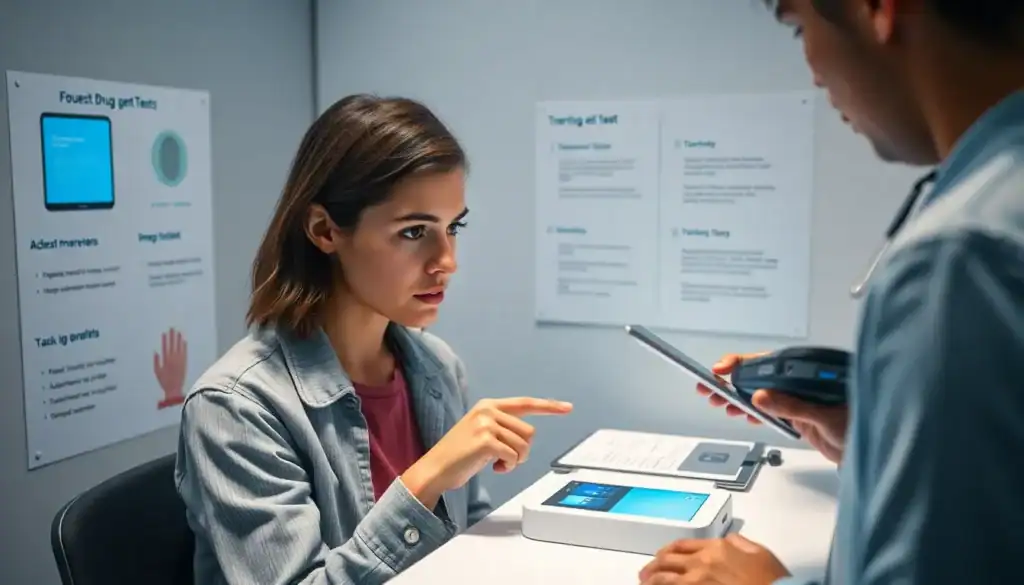
When traditional drug testing feels invasive or time-consuming, you might wonder if there’s a gentler way to get the answers you need. Whether you’re concerned about a loved one’s substance use or navigating workplace requirements, fingerprint drug testing offers a surprisingly simple alternative that’s changing how we approach drug detection.
This innovative technology works by analyzing the tiny traces of sweat and oils naturally present in your fingerprints. When drugs enter your system, metabolites eventually make their way into these secretions, creating a readable record of recent use. Unlike blood draws or urine samples, fingerprint testing takes just seconds and eliminates many of the privacy concerns that make traditional methods feel uncomfortable.
What makes this approach particularly valuable is its ability to provide quick, reliable results while preserving dignity throughout the process. You’ll discover how this non-invasive method is becoming a game-changer for law enforcement, employers, and families seeking clarity during difficult situations.
How fingerprint drug tests work
Fingerprint drug testing finds drug traces by analyzing sweat from your fingertips. This technology turns a basic fingerprint into a powerful tool that shows if someone has used drugs recently.
The science behind detection
Forensic toxicology forms the foundation of fingerprint drug detection technology. When you consume drugs, your body metabolizes these substances and circulates them through your bloodstream. Blood circulation deposits traces of drug metabolites into sweat glands located within your fingertips.
Your fingerprints contain eccrine sweat that carries these metabolites to the surface through the ridges of your fingers. Advanced analytical techniques, including liquid chromatography and mass spectrometry, identify and quantify specific drug compounds present in your sweat sample. These methods provide precise detection capabilities that distinguish between different substances like cocaine (through benzoylecgonine), opiates (through morphine detection), cannabis (through Δ9-tetrahydrocannabinol), and amphetamines.
The unique chemical composition of your fingerprint sweat creates a reliable testing medium that maintains drug metabolite traces for detection analysis.
Collection process and technology
Collection involves pressing your fingertip onto a specialized disposable pad for approximately 5 seconds using firm pressure. This collection device absorbs sweat and drug metabolites present in your fingerprint ridges through direct contact transfer.
The collection pad features an anti-tamper cover that protects your sample from contamination or adulteration during the testing process. Modern systems like those used in forensic applications can detect four major drug classes from a single fingerprint sample simultaneously.
Analysis occurs through fluorescence-based technology that examines the collected sweat sample using lateral flow assay methods. Fluorescence-labeled antibodies selectively bind to specific drugs or their metabolites in your eccrine sweat. The specialized equipment generates results within minutes, providing rapid screening capabilities that surpass traditional urine or blood testing timeframes.
This non-invasive collection method eliminates risks of sample tampering or substitution while maintaining the integrity of your screening process.
Key advantages of fingerprint drug testing
Fingerprint drug testing transforms the screening experience by addressing common concerns about invasiveness, wait times, and personal dignity. This technology offers distinct benefits that set it apart from conventional testing methods.
Non-invasive and hygienic testing
Fingerprint drug testing eliminates bodily fluid collection entirely, making it significantly more hygienic than traditional urine or blood tests. You simply press your fingertip onto a collection cartridge for seconds, avoiding the intrusive nature of supervised collections or needle draws.
This method minimizes contamination risks since no biohazardous materials are involved. Used cartridges don’t require specialized disposal procedures, unlike urine samples that need clinical waste handling. The testing process reduces exposure to pathogens and eliminates cross-contamination concerns between samples.
Healthcare facilities, workplaces, and testing centers benefit from streamlined safety protocols. Staff don’t need specialized training for biohazardous material handling, and testing areas require minimal sanitization between subjects. The hygienic approach creates a more comfortable environment for both administrators and those being tested.
Speed and convenience
Sample collection takes just seconds, with complete results available within 10 minutes. This rapid turnaround enables immediate decision-making in critical situations like workplace incidents, legal proceedings, or treatment monitoring.
The portable testing system operates without laboratory infrastructure or specialized facilities. You can conduct tests on-site, whether in offices, vehicles, or remote locations. This eliminates transportation delays and waiting periods associated with lab-based analysis.
Batch testing capabilities allow multiple samples to be processed simultaneously, improving efficiency for large-scale screening programs. The system requires minimal training to operate, reducing staffing requirements and operational complexity. Organizations save time previously spent coordinating sample collection, transport, and result reporting across multiple locations.
Privacy and dignity
Fingerprint testing preserves your privacy by avoiding invasive bodily fluid samples that many find uncomfortable or embarrassing. The discrete collection method maintains personal dignity, particularly important in sensitive environments like schools, rehabilitation centers, or healthcare facilities.
You don’t experience the awkwardness of supervised collections or the discomfort of providing urine samples under observation. The testing process respects individual boundaries while maintaining sample integrity through direct collection methods that prevent tampering.
This approach reduces anxiety and resistance often associated with traditional drug testing. Employees, patients, and students report greater comfort levels with fingerprint testing, leading to improved cooperation and compliance. The dignified process helps maintain positive relationships between organizations and those being tested, supporting long-term screening program success.
Detection capabilities and accuracy
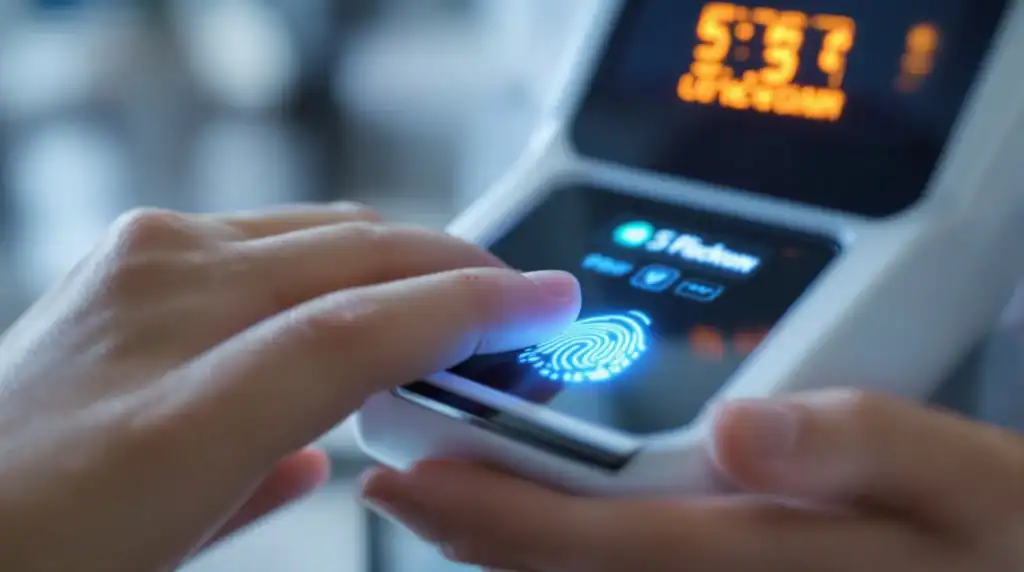
Fingerprint drug testing demonstrates exceptional precision in identifying drug metabolites through sweat analysis. This advanced method achieves accuracy rates up to 95% with sensitivity around 90% and specificity reaching 100% in validation studies.
Window of detection
Fingerprint drug testing detects recent drug use within a 16 to 24-hour timeframe after consumption. This narrow detection window focuses specifically on immediate fitness for duty rather than historical substance use patterns.
You’ll find this shorter detection period particularly valuable for safety-sensitive environments where recent impairment poses greater risks. Unlike urine testing, which can detect substances for up to 4 days or hair testing, which shows months of usage history, fingerprint analysis targets the most relevant timeframe for workplace safety assessments.
The detection window varies based on several factors, including the drug’s half-life, your individual metabolism rate, and the specific testing methodology employed. Cannabis (THC), cocaine, opiates, amphetamines, and benzodiazepines all fall within this 16-24 hour detection range when analyzed through fingerprint sweat samples.
Reliability and validation
Fingerprint drug testing undergoes extensive scientific validation to ensure consistent and reliable results. The sampling process provides enhanced security because it requires supervised collection directly from your fingertips, significantly limiting tampering opportunities compared to traditional methods.
Laboratory studies show that this method works well with standard testing, especially for substances like cocaine and its byproduct, benzoylecgonine (BZE). Even after cleaning hands to avoid contamination, it can still reliably detect these substances.
The technology uses immunoassay and advanced techniques like liquid chromatography and mass spectrometry for accurate identification. You get quick results on-site in about 10 minutes, and there are also lab confirmation options for clear findings if needed. This combination ensures accuracy while providing the ease of quick screening.
Real-world applications
Fingerprint drug testing transforms safety protocols across multiple industries. Organizations worldwide adopt this technology to enhance workplace security and streamline compliance procedures.
Workplace drug testing
Construction, manufacturing, transportation, logistics, and mining industries carry out fingerprint drug testing to maintain safety standards while preserving employee dignity. This rapid on-site screening method reduces workplace disruption by delivering results within 10 minutes compared to traditional methods requiring laboratory processing.
The non-invasive approach encourages employee acceptance and enables frequent random testing without hygiene concerns associated with urine or saliva collection. Companies report improved compliance rates due to the comfortable testing experience that eliminates privacy violations.
Safety-critical positions benefit most from this technology’s ability to detect recent drug use within 16–24 hours. Employers can conduct post-incident testing immediately on-site without transporting employees to testing facilities or arranging private restroom accommodations.
The portable testing equipment allows supervisors to perform screenings at multiple job sites efficiently. This flexibility proves particularly valuable for organizations managing extensive fleets or remote work locations where traditional testing infrastructure isn’t available.
Transportation and construction industries
High-risk sectors prioritize fingerprint drug testing for preventing accidents and maintaining regulatory compliance. Transportation companies use this technology for fitness-for-duty assessments that identify impairment risks before drivers operate vehicles or heavy machinery.
Construction sites carry out fingerprint screening to ensure workers remain alert and capable of operating dangerous equipment safely. The quick turnaround time minimizes project delays while supporting OSHA compliance requirements for substance-free workplaces.
Post-accident investigations benefit from immediate on-site testing capabilities that preserve evidence integrity. Companies can determine substance involvement within minutes rather than waiting days for laboratory results that may arrive too late for effective incident response.
The tamper-evident collection process maintains sample security throughout testing procedures. This reliability proves essential for legal proceedings and insurance claims that require defensible drug testing documentation.
Fleet operators report significant cost savings by eliminating transportation expenses for off-site testing facilities while maintaining comprehensive screening programs.
Healthcare and treatment settings
Rehabilitation programs use fingerprint drug testing for discrete patient monitoring that supports recovery goals without causing distress. The pain-free collection process eliminates needle anxiety and embarrassment associated with supervised urine collection procedures.
Treatment facilities conduct frequent monitoring sessions to track patient progress and detect potential relapses early. Healthcare providers receive immediate feedback that enables timely intervention and treatment plan adjustments.
The non-invasive nature improves patient cooperation rates compared to traditional testing methods. Individuals in recovery programs report feeling more comfortable with fingerprint screening that respects their dignity while maintaining accountability.
Outpatient treatment programs benefit from portable testing capabilities that allow monitoring during counseling sessions or home visits. This flexibility ensures consistent screening schedules without requiring patients to travel to laboratory facilities.
Medical professionals can integrate testing results into electronic health records immediately for comprehensive patient care coordination. The rapid results support evidence-based treatment decisions that improve recovery outcomes.
Cost-effectiveness and efficiency
Fingerprint drug testing delivers significant economic advantages while maximizing operational productivity. This innovative testing method transforms traditional drug screening by reducing expenses and accelerating results.
Reduced operational costs
Your organization saves money through fingerprint drug testing’s streamlined approach that eliminates costly laboratory fees and transportation logistics. While initial equipment investment and training costs exist, you’ll recover these expenses through reduced per-test operational costs over time.
The technology eliminates sample collection issues like ‘shy bladder’ or ‘dry mouth’ that cause delays in traditional testing methods. You avoid lost work hours associated with off-site testing facilities and complex sample handling procedures that traditional urine or oral fluid tests require.
Volume discounts on consumables reduce your per-test costs further, while customizable testing panels let you tailor screenings to specific organizational needs. Organizations conducting high-volume testing benefit from economies of scale that make fingerprint testing increasingly cost-effective compared to laboratory-based alternatives.
Streamlined testing process
Your testing workflow becomes significantly more efficient with fingerprint drug testing’s portable and non-invasive collection method. Results appear within 10 minutes, enabling immediate decision-making about employee fitness for duty without operational delays.
The process eliminates the need for specialized collection facilities, trained collection staff, or clinical waste disposal systems. You can conduct testing anywhere with the portable equipment, reducing facility overhead and staffing requirements that traditional methods demand.
Sample integrity remains secure through tamper-resistant features, including direct administrator supervision and self-locking sample seals. Batch-testing capability allows you to screen multiple employees simultaneously, maximizing efficiency during scheduled testing events while maintaining accuracy and reliability standards.
Limitations and challenges
Fingerprint drug testing faces several significant obstacles that can impact accuracy and reliability. Distinguishing between actual drug use and environmental contamination remains the most challenging aspect of this technology.
Environmental contamination vs. actual use
External drug residues on surfaces create false-positive results when traces transfer to fingertips through contact. You encounter cocaine contamination on ATMs, currency, and public surfaces that can trigger positive readings even though no drug consumption. Controlled hand washing protocols and established cutoff thresholds help reduce these false positives, but contamination issues persist across testing environments.
Sample collection variability
Your fingerprint composition varies based on contact pressure, duration, and collection timing throughout the day. These factors affect sample quality and test reproducibility. Researchers use endogenous markers like creatinine to standardize samples, but variability continues to influence accuracy rates.
Detection window limitations
Fingerprint testing detects recent drug use within 16-24 hours, creating a narrower window compared to traditional methods. You might miss drug use that occurred outside this timeframe, potentially affecting comprehensive screening programs.
Sample validity concerns
Invalid fingerprint samples occur frequently, requiring multiple collections from different fingers. Your right index and middle fingers typically provide the most reliable samples, while other digits may yield insufficient material for accurate analysis.
| Challenge Type | Impact Level | Detection Rate |
| Environmental contamination | High | 88% accuracy vs blood toxicology |
| Sample variability | Medium | Varies by collection method |
| Detection window | Medium | 16-24 hour window |
| Invalid samples | Low | Multiple collections required |
Technology and standardization gaps
Current sensitivity levels require advancement to expand detectable substances beyond the standard four drug classes (opioids, cannabis, cocaine, amphetamines). Portable devices provide rapid results but lack standardized protocols for widespread legal and clinical acceptance.
Future of fingerprint drug testing
Fingerprint drug testing technology continues to advance rapidly with emerging innovations that expand detection capabilities and improve accuracy. Intelligent Bio Solutions has developed portable fingerprint drug screening systems now used in forensic settings across the United States, with FDA market entry planned for 2025.
The technology leverages enhanced immunoassay techniques that deliver high sensitivity and specificity while reducing false positives even when environmental contamination occurs. Recent patent developments include advanced drug screening cartridges that enhance technology protection and expand lateral flow device capabilities for rapid detection from fingerprint sweat.
Research teams are exploring time-stamping fingerprints to confirm sample authenticity, drug identification, and consumption timing. This advancement facilitates remote testing capabilities and patient compliance monitoring during clinical drug trials, creating new possibilities for healthcare applications.
Workplace adoption accelerates due to fingerprint testing’s hygienic, discreet, and tamper-resistant characteristics. The method proves particularly valuable in probation programs and treatment courts where privacy and testing speed remain critical factors.
Detection windows currently span 16 to 24 hours after drug consumption, with results available in under 10 minutes. Current technology detects cannabis (THC), cocaine, methamphetamine, and opiates with accuracy comparable to traditional urine or saliva tests.
| Detection Capability | Current Performance | Future Enhancement |
| Result Time | Under 10 minutes | Real-time analysis |
| Detection Window | 16-24 hours | Extended timeframe |
| Drug Classes | 4 standard substances | Expanded substance library |
| Accuracy Rate | 95% precision | Enhanced reliability |
The use of this technology is increasing in areas like detective work, safety programs at work, and checking clinical trials. It mixes biology, chemistry, and advanced analysis to provide trustworthy options for drug testing.
A new approach to drug testing with real support
Fingerprint drug testing shows how far we’ve come in making screenings faster, safer, and more respectful. But while the technology offers convenience, the real challenge lies in addressing the deeper issues behind substance use. No test, no matter how advanced, replaces the need for compassion, guidance, and the right support system.
If you or someone you care about is struggling with substance use, now is the time to seek help. Red Ribbon Colorado is here to connect you with resources and provide direction on the next steps toward recovery. Reach out today and take the first step toward healing and hope.
Frequently asked questions:
Understanding fingerprint drug testing can seem complex, but addressing common concerns helps clarify this innovative screening method. Here are the most frequently asked questions about this technology.
A fingerprint drug test detects recent drug use by analyzing metabolites in sweat from your fingertip. It identifies THC, cocaine, opiates, amphetamines, and benzodiazepines, providing positive or negative results within 16 to 24 hours of consumption.
Unlike hair or urine tests that show weeks or months of drug history, fingerprint testing focuses on immediate recent use, making it ideal for workplace safety and compliance monitoring. The test doesn’t measure impairment levels or exact usage amounts.
Fingerprint drug testing shows 86-99% accuracy compared to traditional blood and urine tests. Specificity rates reach 96.1% for THC, 91.7% for cocaine, 92.3% for opiates, and 97.3% for amphetamines, with 100% sensitivity for cocaine detection.
The supervised collection process reduces tampering, though surface contamination can cause false positives. Laboratory confirmation using advanced methods like liquid chromatography is available for disputed results.
The testing process involves pressing your fingertip firmly onto a collection cartridge for 5 seconds, which absorbs sweat and drug metabolites. An anti-tamper cover protects the sample, while immunoassay technology detects multiple drug classes from the single fingerprint sample. A portable reader uses fluorescence technology to analyze the sample and deliver results within 10 minutes by identifying drug compounds through their chemical signatures.
Advanced laboratory confirmation employs liquid chromatography and mass spectrometry when needed. The entire process remains hygienic and non-invasive.
Sources
- Hudson, M., Stuchinskaya, T., Ramma, S., Patel, J., Sievers, C., Goetz, S., Hines, S., Menzies, E., & Russell, D. A. (2019). Drug screening using the sweat of a fingerprint: Lateral flow detection of Δ⁹-tetrahydrocannabinol, cocaine, opiates, and amphetamine. Journal of Analytical Toxicology, 43(2), 88–95. https://doi.org/10.1093/jat/bky068 (PMCID: PMC6380464)