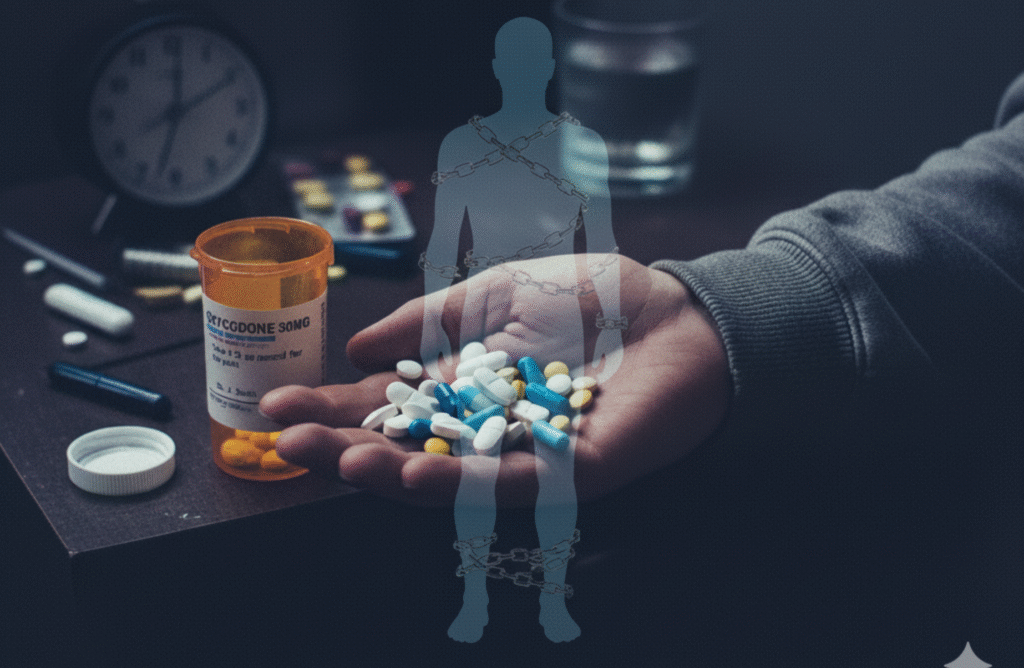
Addiction does not only happen with illegal drugs. Many prescription medications, including opioids, benzodiazepines, and sleep aids like zolpidem or Ambien, have the potential to cause dependence. Over time, the body may develop tolerance, meaning a person needs more of the medication to feel the same effect. When that happens, stopping suddenly can cause withdrawal symptoms such as anxiety, restlessness, or insomnia. This process can quietly lead to misuse, even when someone starts by following a doctor’s directions.
At Red Ribbon Recovery Colorado, we believe that awareness is the first step to prevention. Understanding how prescription medications affect the brain and body helps people make safer choices and recognize the early signs of dependence. Our goal is to provide education, compassion, and support for individuals and families who may be concerned about how prescription drug use impacts their mental health, physical well-being, and everyday life.
What does it mean to become addicted to prescription drugs
Before we dive too deep into prescription drug addiction, it is important to understand what addiction truly means. Addiction is more than simply using a prescribed medicine. It happens when repeated drug use changes the way the brain and body function, leading to cravings, dependence, and harm in daily life.
It is also important to recognize that there is a difference between dependence and addiction. In fact, being physically dependent on a prescription medicine is not always the same as addiction. Dependence means the body has adjusted to the drug and may show withdrawal symptoms if the person stops suddenly. Addiction, however, goes further. It involves compulsive use of the medicine, even when there is clear potential harm, and often makes it difficult for the person to control their use.
Drug tolerance: the precursor to drug abuse
One sign that someone may be at risk is developing what is called drug tolerance. Over time, the body may need a larger dose of the same prescribed medicine, like opioids for pain, for example, to feel the original effect. As tolerance builds, the risk of drug abuse and drug addiction increases. This process can lead to cycles of escalating use, withdrawal, and even turning to other drugs or illegal drugs when the original medicine no longer feels effective.
It is important to note that addiction is not a personal failure. Rather, it is a condition caused by changes in the nervous system and influenced by many factors, including genetics, mental health, and other medical conditions.
Types of prescription drugs linked to addiction
When asking if prescription drugs can become addictive, it is important to know that not all prescription medicines carry the same level of risk. Some categories of prescription medications are more likely to cause dependence and drug addiction because of how they affect the brain and nervous system.
Opioids
Opioids are powerful prescription drugs often given to treat pain. Medicines like oxycodone are effective when used properly, but they are also considered highly addictive. Misuse can lead to overdose, severe withdrawal symptoms, and even death.
Benzodiazepines
Benzodiazepines such as xanax, valium, and Diazepam are commonly prescribed for anxiety or sleep problems. While helpful for short-term use, they can quickly lead to drug tolerance and dependence. Stopping them suddenly can cause dangerous withdrawal symptoms, making it difficult for a person to stop taking them safely.
Stimulants
Stimulants like ritalin and methylphenidate are often prescribed for ADHD. These medicines increase alertness but can be misused to improve focus or energy. Over time, misuse can result in drug abuse, dependence, and long-term health risks.
Sleep medications
Drugs such as zolpidem and Ambien are used to help with sleep. While effective in treating insomnia, these medicines can be addictive when misused. They share risks similar to other substances, including the potential for dependence and withdrawal symptoms.
Not everyone who takes these prescribed medicines will become addicted, but the risk is real. Awareness of these categories helps people recognize where caution is most needed.
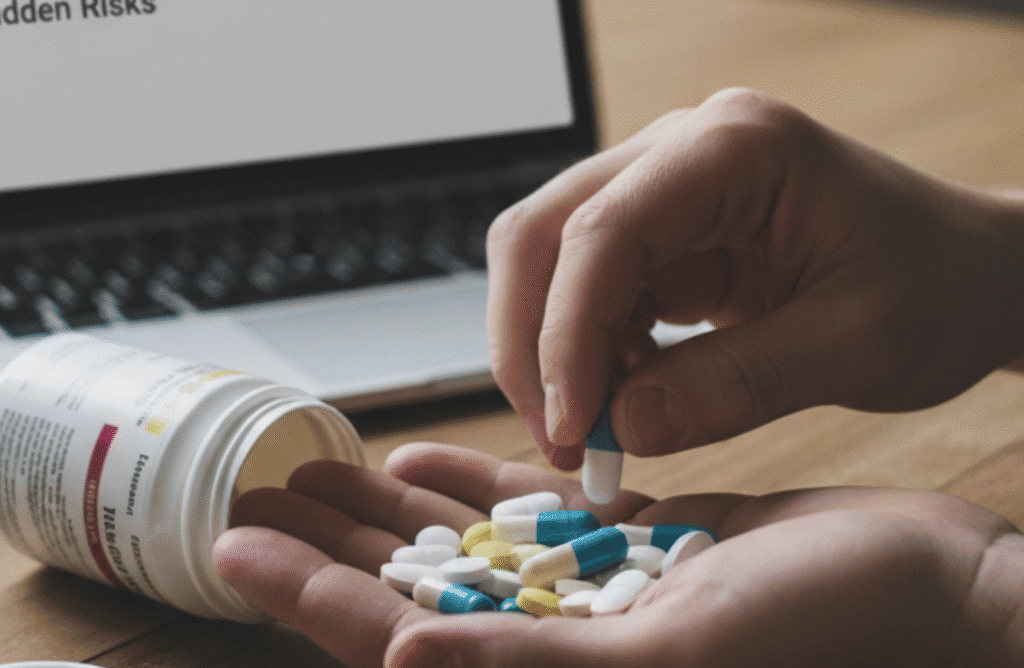
Risk factors for prescription drug addiction
When thinking through the idea of whether or not prescription drugs can become addictive, it is important to understand that the concept of addiction does not affect everyone in the same way. Certain physical, mental, environmental, and genetic factors can play into your risk of addiction.
This is why some people can safely take a prescribed medication with little to no risk, while others may face a higher chance of dependence or drug addiction.
The impact of medical conditions and mental health on addiction
People living with medical conditions such as chronic pain may rely on prescription medications for long periods of time. Those with mental health concerns, including anxiety or depression, may be more likely to misuse a prescribed medicine to cope with difficult feelings.
These situations can increase the chance of becoming physically dependent and struggling with withdrawal symptoms.
Family and personal history of drug use
A history of drug abuse, alcohol misuse, or exposure to other substances can raise the likelihood of becoming addicted. Genetics and environment are powerful factors that influence how a person responds to prescription drugs, as well as their risk of developing long-term drug addiction.
Recognizing these risk factors does not mean addiction is certain, but it highlights the importance of careful monitoring, open communication with a doctor, and support when needed.
Signs of prescription drug addiction
If you or a loved one is dealing with addiction, there will be telltale signs when the addiction has reached a certain level. These signs and symptoms may arise when misuse of prescription medication occurs, and might include a range of symptoms that can appear physically, behaviorally, or emotionally.
When the signs of addiction begin to impact your day-to-day life or daily routine, this is a sure sign to ask for help and support from a loved one, healthcare provider, or treatment facility.
Physical signs
Addiction often begins with the body. Someone may need a larger dose of a prescription medicine to feel the same effect, a process known as drug tolerance. They may also experience withdrawal symptoms when they try to stop taking the drug.
Physical indicators can include:
- Fatigue or lack of energy.
- Confusion or difficulty concentrating.
- Dizziness or poor coordination.
- Unusual sleep patterns or appetite changes.
- Shaking, sweating, or other withdrawal-related symptoms.
Behavioral signs
Changes in behavior are another warning. A person may take a prescription medicine more often than directed, or combine it with other drugs or alcohol to feel relief. Some may begin seeking prescriptions from multiple doctors or feel unable to manage daily life without the medication. These behaviors point to a shift from safe use to drug abuse.
Emotional signs
Addiction also affects mood and relationships. People may withdraw from loved ones, experience strong cravings, or struggle with increased anxiety or depression. These emotional changes are signs that prescription drug use has crossed into dependency and could lead to lasting harm if untreated.
Recognizing these signs early provides an opportunity to seek support and prevent the cycle of drug addiction from becoming more severe.

Treatment and recovery options
While the risks of prescription drug misuse are real, recovery is always possible. Healing begins with understanding that addiction is treatable and that support is available for anyone ready to take the next step. With the right combination of medical care, mental health support, and community connection, it is possible to rebuild stability, improve well-being, and move toward lasting recovery.
Medical support
Treatment often begins with medical care. A doctor can guide a safe detox process, helping the body adjust while reducing the severity of withdrawal symptoms. For certain drugs like opioids, approved medications may be used to stabilize the nervous system and lower cravings. Medical supervision reduces the risk of complications such as overdose and provides a safer path forward.
Some options for addiction treatment intervention for abuse of over-the-counter medicines might include:
- Drug and alcohol detox. A medically supervised setting that helps manage withdrawal symptoms safely and prepares individuals for ongoing treatment.
- Inpatient treatment program. Provides 24-hour care and structure for those needing an immersive environment focused on recovery and stabilization.
- Partial hospitalization program (PHP). A structured daytime program offering intensive therapy, medication management, and relapse prevention while allowing clients to return home in the evenings
- Intensive outpatient program (IOP). A flexible treatment option that combines therapy, education, and support for individuals transitioning from higher levels of care or managing recovery alongside daily responsibilities.
- Outpatient treatment program. Offers ongoing counseling and support for maintaining sobriety while living independently.
- Dual diagnosis treatment. Addresses both addiction and co-occurring mental health disorders to promote long-term emotional and physical wellness.
Community and ongoing care
Recovery is strengthened by support from others. Groups similar to alcoholics anonymous, along with programs focused on prescription medications, create safe spaces to share experiences and encouragement. Ongoing support can make the difference between relapse and lasting recovery, especially for those who have faced repeated struggles with drug abuse or other substances.
By combining medical treatment, therapy, and community support, people can find real hope after prescription drug addiction. No one has to face the process alone, and with the right help, long-term healing is possible.

Finding clarity about prescription drug addiction
So, can prescription drugs become addictive? The answer is yes. While prescription medications are designed to treat pain, anxiety, and other medical conditions, they can also lead to drug abuse and drug addiction when not used as directed. The risks include withdrawal symptoms, drug tolerance, and the potential for overdose or even death.
Not everyone who takes a prescribed medicine will become addicted. Still, certain risk factors such as underlying mental health issues, age, and use of other substances can raise the chances of harm. Recognizing the signs of dependence, from physical changes to struggles in daily life, is an important step in preventing long-term damage.
The good news is that recovery is possible. At Red Ribbon Recovery Colorado, we know that with medical guidance, therapy, and community support, people can break the cycle of drug use and find healthier ways to manage life’s challenges. Addiction does not have to define a person’s story. With awareness, compassion, and the right support, healing and stability are within reach. If you need more support in your journey, contact Red Ribbon Recovery Colorado today and learn how to move forward in recovery.
Sources
- National Institute on Drug Abuse. (n.d.). Understanding drug use and addiction. https://nida.nih.gov/publications/drugfacts/understanding-drug-use-addiction
- Szalavitz, M., Rigg, K. K., & Wakeman, S. E. (2021). Drug dependence is not addiction — and it matters. Annals of Medicine, 53(1), 1989–1992. https://doi.org/10.1080/07853890.2021.1995623
- Substance Abuse and Mental Health Services Administration & Office of the Surgeon General. (2016). Facing Addiction in America: The Surgeon General’s Report on Alcohol, Drugs, and Health (Chapter 2: The neurobiology of substance use, misuse, and addiction). U.S. Department of Health and Human Services. Available from https://www.ncbi.nlm.nih.gov/books/NBK424849/