

You’ve probably wondered why you can legally buy a bottle of wine at the grocery store while other substances remain strictly prohibited. It’s a question that becomes even more puzzling when you consider alcohol’s well-documented risks and the profound impact it can have on individuals and families.
The answer isn’t found in science or safety data—it’s woven into the fabric of human history and culture. For centuries, alcohol has been deeply embedded in social traditions, religious ceremonies, and economic systems across civilizations. From ancient Neolithic communities to modern societies, it’s played a role that extends far beyond recreation.
Understanding why alcohol maintains its legal status while other substances don’t requires looking beyond simple comparisons of harm. It’s about examining how cultural acceptance, economic influence, and historical lessons—like the failed Prohibition era of 1920-1933—continue to shape our laws today.
Economic factors behind alcohol’s legal status
The economic foundations supporting alcohol’s legal status extend far beyond cultural acceptance into concrete financial realities that governments and industries depend upon. These economic drivers create powerful incentives for maintaining alcohol’s legal framework while balancing public health concerns.
Revenue generation and tax benefits
Alcohol taxation generates approximately $70 billion annually for federal, state, and local governments across the United States. This substantial revenue stream funds essential public services including education, healthcare, and infrastructure projects that benefit communities nationwide.
Tax structures on alcoholic beverages operate through multiple channels:
- Federal excise taxes on production and importation
- State-level sales taxes and licensing fees
- Local permits and regulatory assessments
- Tourism-related revenue from breweries and distilleries
During the Great Depression, the need to restore these lost tax revenues became a compelling argument for repealing Prohibition. Governments recognized that alcohol taxation provided a reliable income source during economic uncertainty, making it politically difficult to eliminate this revenue stream through prohibition policies.
Industry employment and economic impact
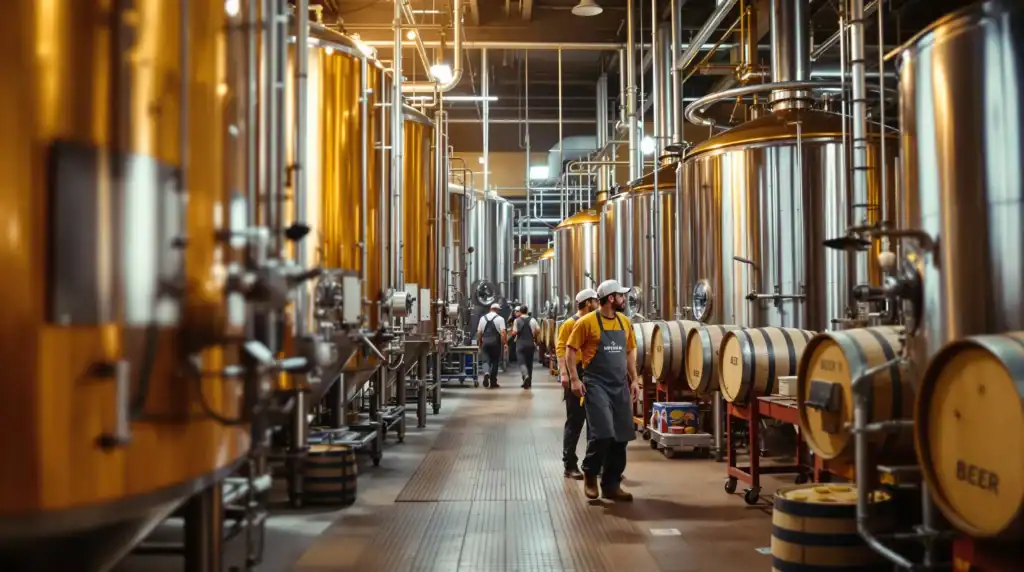
The alcohol industry sustains over millions of jobs throughout the United States, creating employment opportunities across production, distribution, retail, and hospitality sectors. This employment network extends from agricultural workers growing grapes and grains to bartenders serving customers in restaurants and bars.
Economic contributions span multiple industries:
- Manufacturing jobs in breweries, distilleries, and wineries
- Transportation and logistics positions for distribution networks
- Retail employment in liquor stores, grocery chains, and restaurants
- Tourism roles supporting brewery tours and wine country visits
The industry’s resilience during economic downturns makes it particularly valuable for maintaining stable employment. Even during recessions, alcohol sales often remain consistent, providing economic stability that governments and communities rely upon for sustained tax revenue and job security.
Cultural and social acceptance of alcohol

Cultural acceptance forms the foundation of alcohol’s legal status across most societies. Your understanding of why alcohol remains legal even though its risks becomes clearer when you examine the deep social and ceremonial traditions that have normalized its consumption over millennia.
Deep-rooted social traditions
Alcohol consumption traces back to Neolithic times and has been woven into the fabric of human civilization for over 7,000 years. Ancient civilizations in China and Mesopotamia established alcohol as more than a beverage—it served as a social lubricant that facilitated community bonding and political relationships.
During the Middle Ages, alcohol became a dietary staple throughout Europe, consumed throughout the day as part of regular meals. Medieval communities relied on low-alcohol beverages like ale as safer alternatives to contaminated water sources. This historical integration created cultural norms that persist today, where alcohol accompanies social gatherings, celebrations, and daily interactions.
Your modern social experiences with alcohol—from wedding toasts to business dinners—continue these ancient traditions. The substance’s role in marking life’s milestones and fostering social connections has made prohibition culturally disruptive, as demonstrated during America’s failed experiment from 1920-1933.
Religious and ceremonial uses
Religious institutions have historically incorporated alcohol into sacred ceremonies, contributing significantly to its social legitimacy. Christianity uses wine in communion rituals, symbolizing spiritual transformation and community worship. These ceremonial practices created religious exceptions that influenced broader social acceptance.
Different cultures developed distinct ceremonial relationships with alcohol. Ancient burial rituals in China included beer consumption, while Mesopotamian societies used alcohol in state ceremonies to reinforce political authority. These religious and ceremonial applications established alcohol as spiritually significant rather than merely recreational.
Your understanding of alcohol’s legal status must consider how religious tolerance shaped regulatory frameworks. When spiritual leaders sanctified alcohol use in worship, it became difficult for governments to ban completely. This religious integration provided cultural protection that other substances lacked, creating a foundation for alcohol’s continued legal acceptance even though documented health risks and social costs.
Regulatory framework vs. complete prohibition
The United States chose controlled regulation over outright bans after Prohibition’s failure demonstrated the impracticality of complete alcohol elimination. This regulatory approach balances public health concerns with individual freedoms while generating substantial government revenue.
Controlled legalization approach
The current legal framework uses controlled legalization with federal and state laws ensuring alcohol is sold and consumed under regulated conditions. The Federal Uniform Drinking Age Act of 1984 exemplifies this approach by setting the minimum legal drinking age at 21 while allowing states to retain authority over specific possession laws and exceptions.
This controlled system creates a three-tier structure separating producers, distributors, and retailers to prevent monopolies and ensure fair competition. States maintain significant control through their Alcoholic Beverage Control (ABC) agencies, which oversee licensing, taxation, and compliance with local regulations.
The regulatory framework generates approximately $141 billion annually in federal, state, and local tax revenue while supporting over 4 million jobs across the alcohol industry. This economic contribution reinforces the political viability of controlled legalization compared to prohibition’s enforcement costs and lost revenue.
Age restrictions and safety measures
The minimum legal drinking age (MLDA) of 21 serves as a cornerstone of alcohol regulation, reducing youth consumption and contributing significantly to traffic fatality reductions. States enforce these age restrictions through federal incentives, with non-compliance resulting in reduced highway funding.
Age verification requirements, server training programs, and graduated penalties for violations create multiple safety checkpoints in the regulatory system. These measures include mandatory ID checks, responsible beverage service training, and strict penalties for selling alcohol to minors.
Research shows the MLDA-21 policy prevents approximately 900 deaths annually from drunk driving and reduces alcohol consumption among 18-20 year olds by 13%. States supplement federal requirements with additional safety measures like sobriety checkpoints, ignition interlock programs, and enhanced penalties for drunk driving offenses.
Comparing alcohol to other substances
Alcohol’s legal status becomes more puzzling when you examine it alongside substances that remain banned even though potentially lower risks. This comparison reveals how cultural acceptance and political power often outweigh scientific evidence in shaping drug policy.
Why some drugs remain illegal
Substances typically face prohibition when governments perceive them as threats to public health, safety, or moral values. Heroin and methamphetamine remain illegal due to their high addiction potential and severe health consequences. But, the criminalization process isn’t always driven by objective scientific evidence.
Many illegal drugs carry federal schedule classifications based on their perceived medical utility and abuse potential. LSD and psilocybin mushrooms face criminalization even though low addiction rates and emerging therapeutic research. Meanwhile, alcohol maintains legal status as a regulated recreational substance, even though studies correlate heavy use with liver disease, cardiovascular issues, and certain cancers.
The decision to criminalize often reflects cultural biases more than harm assessments. Substances lacking established economic interests or mainstream cultural acceptance face harsher legal treatment, regardless of their actual danger compared to legal alternatives like alcohol and tobacco.
Political and racial motivations in drug policy
Drug enforcement historically targeted substances associated with marginalized communities rather than focusing purely on public health concerns. Marijuana restrictions partly emerged from associations with Mexican immigrants and African American communities, while alcohol remained normalized within mainstream white culture.
These racial disparities persist today, with drug law enforcement disproportionately affecting minority communities. Cultural and political factors continue influencing which substances face criminalization, even when they pose comparable or lesser risks than legal drugs.
Economic lobbying power creates additional disparities in drug policy. The alcohol industry generates billions in revenue and maintains strong political influence through organizations that advocate for favorable legislation. Illegal substances lack similar economic weight and political representation, resulting in continued prohibition even though evolving scientific understanding of their relative safety profiles.
Health risks and legal contradictions
Alcohol’s legal status creates a puzzling contradiction that affects millions of lives daily. Even though overwhelming scientific evidence documenting its harmful effects, alcohol remains widely available and socially encouraged across most societies.
Known health dangers of alcohol
Alcohol consumption carries documented risks that extend far beyond temporary impairment. The World Health Organization identifies alcohol as responsible for millions of deaths annually worldwide, linking it directly to liver disease, heart disease, various cancers, and mental health disorders.
Your body processes alcohol as a toxin, with no safe consumption level established by health experts. Heavy drinking increases your risk of developing:
- Liver cirrhosis and fatty liver disease
- Cardiovascular problems including high blood pressure
- Breast, liver, and colorectal cancers
- Depression and anxiety disorders
- Alcohol use disorder and dependency
Studies indicate that alcohol misuse costs the United States approximately $249 billion annually through healthcare expenses, lost workplace productivity, and law enforcement costs. The substance affects not only individual health but also contributes to domestic violence, traffic accidents, and family disruption across communities.
The safety paradox of legal status
Alcohol’s legal framework creates what experts call a “safety paradox” – a substance with documented health risks remains legally accessible while potentially safer alternatives face criminalization. This contradiction stems from cultural acceptance rather than scientific evidence about relative harm.
Your ability to purchase alcohol legally doesn’t reflect its safety profile compared to other controlled substances. Research suggests several illegal drugs pose lower addiction risks and health consequences than alcohol, yet they remain criminalized while alcohol enjoys widespread availability and advertising.
The paradox becomes more apparent when examining regulatory approaches:
- Cannabis faces federal restrictions even though emerging therapeutic research
- Psychedelic substances show promise for mental health treatment but remain banned
- Alcohol advertisements target consumers even though known addiction potential
- Social norms encourage drinking while stigmatizing other substance use
This legal inconsistency reflects historical precedent, economic interests, and political influence rather than objective health assessments. The alcohol industry’s lobbying power and cultural integration maintain its privileged legal status even though mounting evidence of societal harm.
Finding clarity beyond the glass
Alcohol’s legal status may be rooted in history, culture, and economics, but its impact on individuals and families is deeply personal. While society continues to debate the contradictions, the reality is that alcohol misuse can create lasting harm that no tradition or tax revenue can justify. What matters most is protecting health, restoring relationships, and building a future free from the weight of addiction.
If you or someone you love is struggling with alcohol misuse, you don’t have to face it alone. Red Ribbon Colorado can help you find the guidance, resources, and support needed to begin the journey toward recovery. Reach out today to take the first step toward a healthier tomorrow.
Frequently asked questions:
Understanding these key distinctions helps clarify the complex relationship between alcohol use addiction and the law.
Addiction to alcohol isn’t a crime because legal systems treat it as a health condition rather than criminal conduct. You cannot be arrested or prosecuted simply for having alcohol use disorder, as courts recognize addiction as a medical condition characterized by compulsive use despite harmful consequences, not criminal intent.
However, criminal charges can result from behaviors while intoxicated, such as driving under the influence, public intoxication, assault, or property damage. The legal system focuses on actions and behaviors rather than the underlying addiction, acknowledging that addiction requires medical treatment while still holding individuals accountable for harmful conduct committed under the influence.
Being drunk generally isn’t accepted as a legal defense against criminal charges because courts hold you accountable for actions taken while voluntarily intoxicated, operating on the principle that you chose to consume alcohol knowing it could impair your judgment. Most jurisdictions follow the rule that voluntary intoxication cannot excuse criminal behavior, though limited exceptions exist for involuntary intoxication through spiked drinks, situations where extreme intoxication negates specific intent required for certain crimes, and diminished capacity defenses in some jurisdictions.
These exceptions are rare and require substantial evidence proving the intoxication was truly involuntary or completely prevented forming necessary criminal intent. The majority of alcohol-related criminal cases proceed regardless of intoxication level, reinforcing personal responsibility and the principle that choosing to drink includes accepting responsibility for subsequent actions.
Yes, alcohol was illegal nationally during Prohibition from 1920 to 1933 under the 18th Amendment. The Volstead Act defined intoxicating liquor as any beverage containing more than 0.5% alcohol by volume, making most alcoholic drinks illegal to manufacture, sell, or transport.
Prohibition aimed to address social problems linked to alcohol but created unintended consequences including organized crime, bootlegging operations, loss of $500 million in annual government tax revenue, widespread public disregard for the law, and dangerous illegal alcohol production causing poisoning deaths. The policy proved largely ineffective at eliminating alcohol use while creating new problems and economic hardship during the Great Depression.
The 21st Amendment repealed Prohibition in 1933, making the 18th Amendment the only constitutional amendment ever completely repealed. However, some states and local jurisdictions maintained alcohol bans for decades, with Mississippi ending statewide prohibition in 1966. Today, many local restrictions remain including dry counties and municipalities that prohibit alcohol sales within their boundaries.
Sources
- Jernigan, D. (2020). The alcohol marketing landscape: Alcohol industry size, structure, strategies, and public health responses. Journal of Studies on Alcohol and Drugs Supplement, (Suppl 19), 13–25. https://doi.org/10.15288/jsads.2020.s19.13
- World Health Organization. (2024, June 28). Alcohol. Retrieved September 4, 2025, from https://www.who.int/news-room/fact-sheets/detail/alcohol
- National Institute on Alcohol Abuse and Alcoholism. (2024, November). Economic burden of alcohol misuse in the United States. Retrieved September 4, 2025, from https://www.niaaa.nih.gov/alcohols-effects-health/alcohol-topics-z/alcohol-facts-and-statistics/economic-burden-alcohol-misuse-united-states