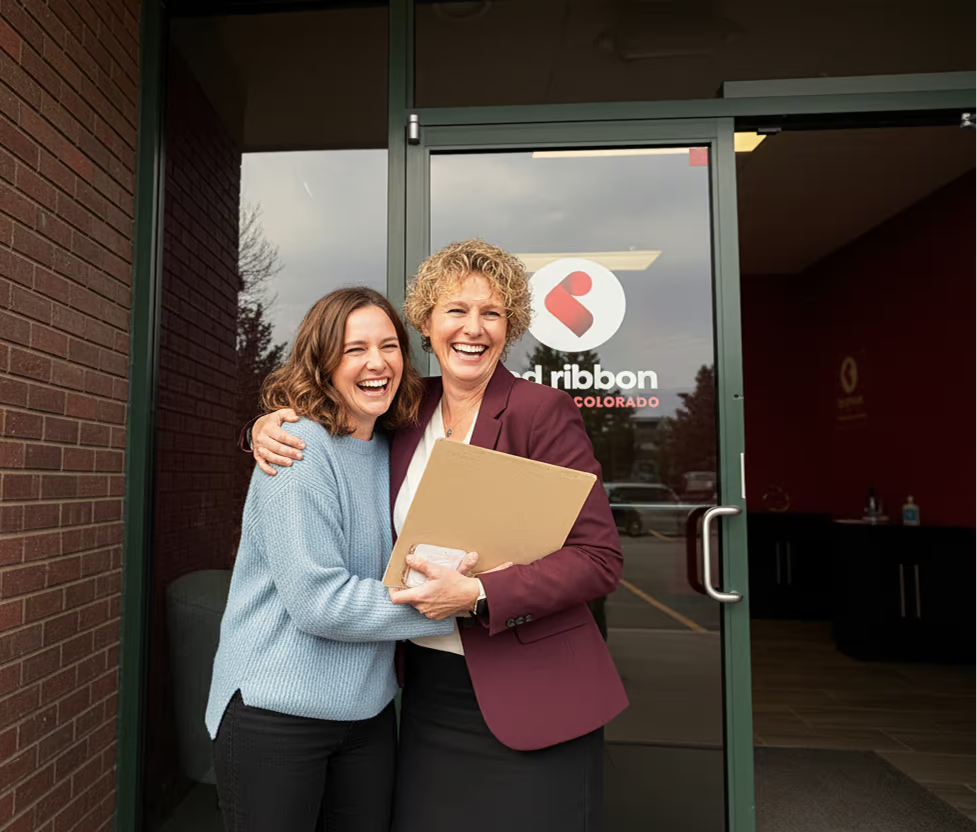
Watching someone you care about struggle with prescription drug addiction, or facing it yourself, can feel incredibly isolating. It often starts quietly, maybe with a prescription for a legitimate medical reason, but slowly spirals into something that feels out of control. If you’re reading this, you’re likely looking for a way forward, a path back to hope. Please know you’re in the right place, and taking this first step towards detoxification is a sign of incredible strength. You’re not alone in this, and effective, compassionate help is available right here in Colorado.
Drug use in Colorado
The reality in our state is that many families are touched by substance abuse. Opioids, particularly fentanyl, are a significant concern, with opioid-related overdoses accounting for about 77% of all drug overdose deaths in Colorado in 2023, highlighting the crisis of opioid use disorder. But the issue is broader and includes other prescription drugs like benzodiazepines (used for anxiety) and stimulants. Understanding that prescription drugs can become addictive is the first step toward recognizing when help is needed.
It can be hard to spot the signs, but addiction often shows up in a few key ways:
- Behavioral changes. This might look like seeking prescriptions from multiple doctors, a practice sometimes called “doctor shopping”, losing prescriptions frequently, or becoming secretive about medication use. You might also notice a withdrawal from friends, family, and activities they once enjoyed.
- Psychological shifts. Unexplained mood swings, irritability, or periods of high energy followed by crashes can be common. Many people experience confusion, poor judgment, or anxiety that seems out of character.
- Physical symptoms. Depending on the drug, you may see signs like drowsiness, slurred speech, constipation (with opioids), or insomnia and a reduced appetite (with stimulants).
Recognizing these symptoms isn’t about placing blame. It’s about seeing the problem clearly so you can find a solution. According to the National Institute on Drug Abuse, addiction is a complex condition, but it is treatable.

You can overcome addiction. Reach out to discover:
Substance use treatment programs in Colorado
Navigating the path to recovery means finding the right level of support, and it’s not a one-size-fits-all journey. The first step for some may be a medically supervised detox, and while we can provide referrals for that, our focus is on building a foundation for lasting recovery through our outpatient treatment programs. We know that life doesn’t just stop. You have work, family, and other commitments. That’s why our outpatient care is designed to be both effective and flexible, allowing you to heal while staying connected to your daily life.
Our approach is rooted in evidence-based therapies, which are treatment methods backed by science and proven to work. The goal is to provide you with the tools and support you need to not only address the substance abuse but also to heal the underlying issues that may contribute to it.
Partial hospitalization program
A partial hospitalization program, or PHP, offers the most intensive level of outpatient care. Think of it as a structured day program where you participate in therapy and treatment for several hours a day, five to seven days a week, but return to the comfort of your own home at night. This level of care is ideal for those who need more support than a standard outpatient program can offer or are transitioning from an inpatient setting. It provides a strong, stable environment to focus fully on recovery.
Intensive outpatient program
Our intensive outpatient program (IOP) options offer a step down in intensity from PHP but still provide robust support. An IOP typically involves meeting for a few hours at a time, three to five days a week. This flexible scheduling makes it possible to integrate recovery into your life while still managing work, school, or family responsibilities. We also offer telehealth options, making quality care even more accessible. For many, an IOP is the perfect balance of structured therapy and real-world application of new coping skills. You can learn more about our program options by visiting our admissions page.
Treating co-occurring disorders of addiction
It’s very common for substance abuse to go hand-in-hand with mental health challenges like anxiety, depression, or trauma. When these exist together, it’s called a dual diagnosis or co-occurring disorders. Trying to treat one without addressing the other is like trying to fix only one-half of a problem. By addressing your mental health and the addiction at the same time, you can build a much stronger foundation for lasting recovery and overall well-being. The Substance Abuse and Mental Health Services Administration (SAMHSA) emphasizes this integrated approach for people with co-occurring disorders.
Free Insurance Check
Our rehab center accepts most insurance plans.
Check if your insurance will cover the cost of treatment by filling out our confidential insurance form. We accept most insurance plans.

How to pay for addiction treatment in Colorado
One of the first questions that comes to mind is often, “Will my insurance cover the cost of treatment?” It’s a valid concern, and the good news is that most major insurance plans do cover addiction treatment. Under Colorado law, insurers are required to provide coverage for mental and behavioral health services just as they would for any other medical condition.
We believe that understanding your options shouldn’t be another source of stress. The first step toward getting help is to seek treatment through a simple, confidential, and free conversation. We can help you verify your insurance coverage quickly and easily, so you know exactly what to expect. Taking this step can bring immense relief and clarity. If you don’t have insurance, we can also discuss other options, like flexible payment plans, and provide additional resources to ensure you can access the care you deserve. Your journey to recovery is too important to let financial worries stand in the way.
Rehab might feel like a big step, but remember why you're here—you’re looking for a way forward. We can help.
Don't let prescription drug abuse control your life
The most important thing to remember is that recovery is not just possible, it’s expected with the right support. Millions of people have walked this path and found their way to a healthier, more fulfilling life. The journey starts with one small step: reaching out. A confidential conversation with our compassionate team can help you understand your options and feel a sense of hope again. You don’t have to do this alone; support can help reduce the risk of relapse. Call now for a confidential assessment and let us help you find your way forward.
Taking that first step is often the hardest, but it opens the door to a new beginning. If you or a loved one is struggling, please know that compassionate, professional help is available. You can start your journey to healing by calling us at (303) 219-3980 for a completely confidential conversation. At Red Ribbon Recovery Colorado, we’re here to support you every step of the way. If you’re ready to learn more about our programs, please don’t hesitate to contact us. A brighter future is within reach.
We are here to help you or a loved one find addiction treatment near you.
Admitting you have a substance abuse problem and asking for help is not always easy. If you or a loved one are struggling with drug addiction, alcohol addiction or another substance use disorder, help is available. Call SAMHSA’s National Helpline at (303) 219-3980 to learn about resources in your area or reach out to our team for personalized treatment.
Frequently Asked Questions About Detox
What are the most common prescription drugs that lead to addiction?
Prescription drug addiction often develops from medications that affect the brain’s reward system. The most common include opioids such as Vicodin, morphine, and codeine; benzodiazepines such as Xanax and Valium; and stimulants used for ADHD like Adderall or Ritalin. These drugs are safe when taken as prescribed but can become dangerous when misused or taken in higher doses. Over time, the body can develop dependence, leading to cravings, withdrawal symptoms, and addiction.
What withdrawal symptoms should I expect during detoxification?
Withdrawal symptoms vary depending on the medication and how long it has been used. People detoxing from opioids may experience nausea, sweating, body aches, anxiety, and intense cravings. Those withdrawing from sedatives like benzodiazepines may notice insomnia, tremors, or mood swings. Stimulant withdrawal often involves fatigue, depression, and changes in appetite. These symptoms can feel overwhelming, which is why supervised detoxification in a professional treatment facility is the safest way to begin recovery.
How does Colorado’s prescription drug addiction treatment program work?
In Colorado, prescription drug addiction treatment often begins with an assessment to determine your specific needs. Programs may include medication-assisted treatment (MAT) using methadone, buprenorphine, or naltrexone, combined with behavioral treatments like cognitive behavioral therapy (CBT) and family counseling. This integrated approach helps manage withdrawal, prevent relapse, and address both the physical and emotional sides of addiction. Many centers also provide outpatient and inpatient options depending on the severity of the disorder.
What’s the difference between opioid addiction and other types of substance use disorders?
While all substance use disorders involve compulsive drug use despite harmful consequences, opioid addiction has unique challenges. Opioids alter brain chemistry, leading to powerful physical dependence and withdrawal symptoms. Unlike addiction to stimulants, alcohol, or sedatives, opioid treatment often includes FDA-approved medications to help manage cravings and stabilize recovery. Effective programs also include therapy, relapse prevention strategies, and support for co-occurring mental health issues like depression and anxiety.
How can I help a loved one who’s struggling with prescription drug abuse?
If someone you care about is showing signs of prescription drug abuse—like mood changes, secrecy, or frequent refill requests—it’s important to approach them with compassion, not judgment. Encourage them to seek treatment from a licensed treatment provider or talk with a doctor about next steps. In Colorado, you can access local opioid treatment programs and recovery resources through the Colorado Behavioral Health Administration or FindTreatment.gov. Early intervention can make all the difference in preventing severe dependence and helping your loved one begin the path toward recovery.
Treatment Center Reviews
Bridget LaRocco
I have been to this facility twice now, for Laser Hair removal and Botox. I saw Kim 2 times now for laser and she has been great, she made me feel really comfortable and…
Bridget LaRocco
I have been to this facility twice now, for Laser Hair removal and Botox. I saw Kim 2 times now for laser and she has been great, she made me feel really comfortable and…
Bridget LaRocco
I have been to this facility twice now, for Laser Hair removal and Botox. I saw Kim 2 times now for laser and she has been great, she made me feel really comfortable and…
Sources
- National Institute on Drug Abuse. (07-06-2020). Drug misuse and addiction. National Institute o
- Centers for Disease Control and Prevention. (09-09-2025). Vital statistics rapid release – provisional drug overdose data. Centers for Disease Control and Prevention.
- Substance Abuse and Mental Health Services Administration. (01-08-2025). Evidence-based practices resource center. Substance Abuse and Mental Health Services Administration.
- Substance Abuse and Mental Health Services Administration. (09-26-2025). Managing life with co-occurring disorders. Substance Abuse and Mental Health Services Administration..
- Colorado Division of Insurance. Mental / behavioral health and insurance. Colorado Department of Regulatory Agencies.
- Substance Abuse and Mental Health Services Administration. FindTreatment.gov: Home. Substance Abuse and Mental Health Services Administration.
- Centers for Disease Control and Prevention. (04-25-2024). Treatment of substance use disorders. Centers for Disease Control and Prevention.
About the content
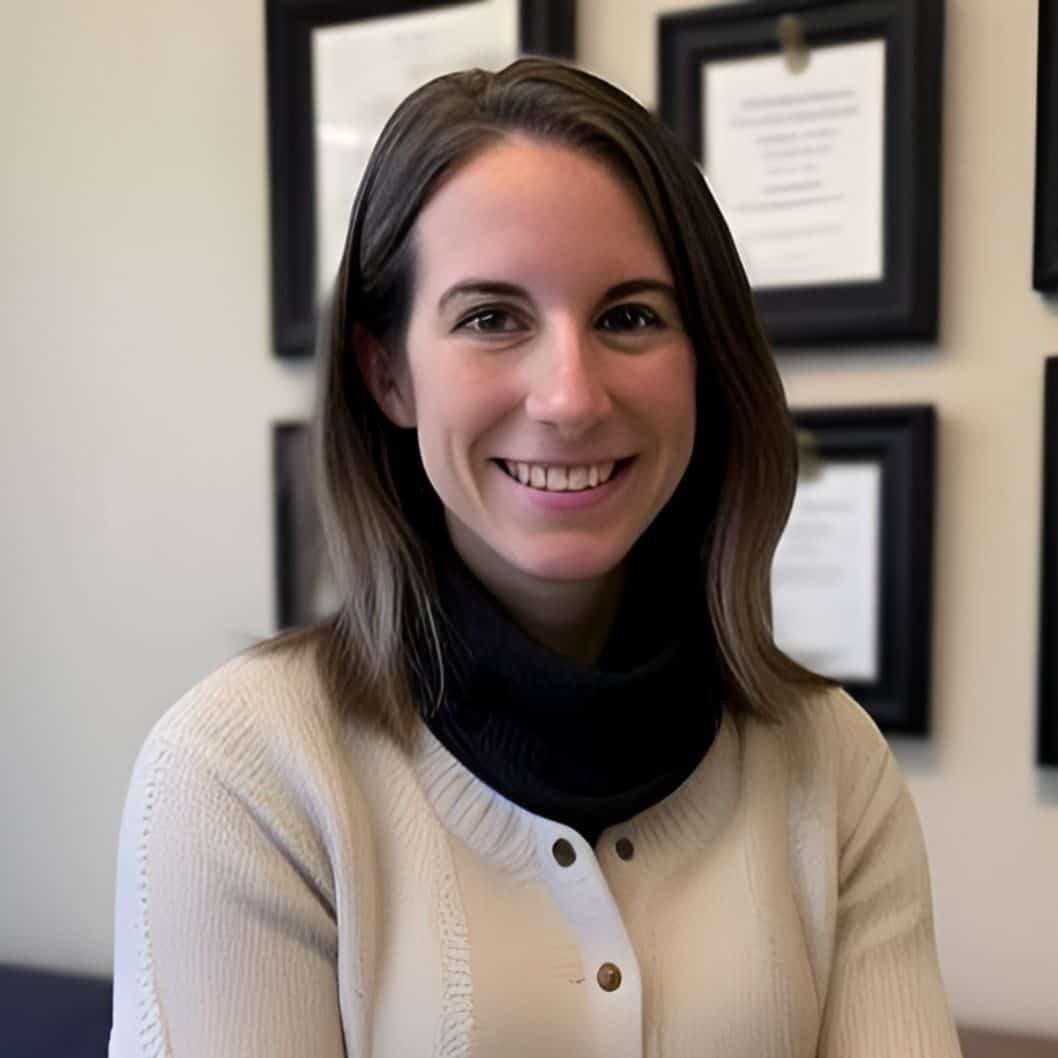
Written by: Carli Simmonds. Carli Simmonds holds a Master of Arts in Community Health Psychology from Northeastern University. From a young age, she witnessed the challenges her community faced with substance abuse, addiction, and mental health challenges, inspiring her dedication to the field.
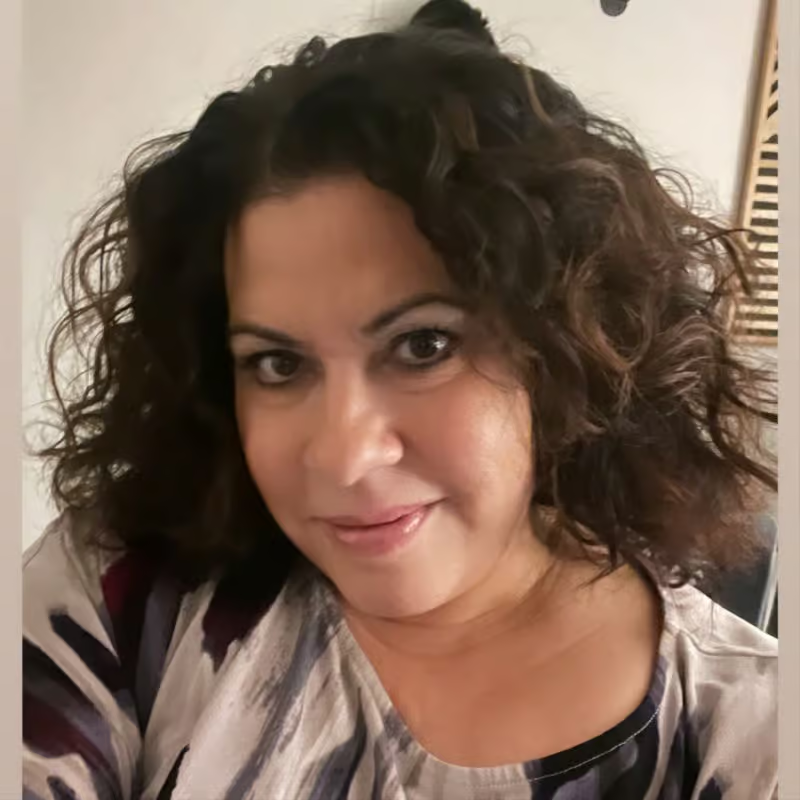
Medical reviewed by: Jodi Tarantino, LICSW. Jodi Tarantino is an experienced, licensed Independent Clinical Social Worker (LICSW) and Program Director with over 20 years of experience in Behavioral Healthcare. Also reviewed by the RRR Editorial team.
Red Ribbon Recovery is committed to delivering transparent, up-to-date, and medically accurate information. All content is carefully written and reviewed by experienced professionals to ensure clarity and reliability. During the editorial and medical review process, our team fact-checks information using reputable sources. Our goal is to create content that is informative, easy to understand and helpful to our visitors.