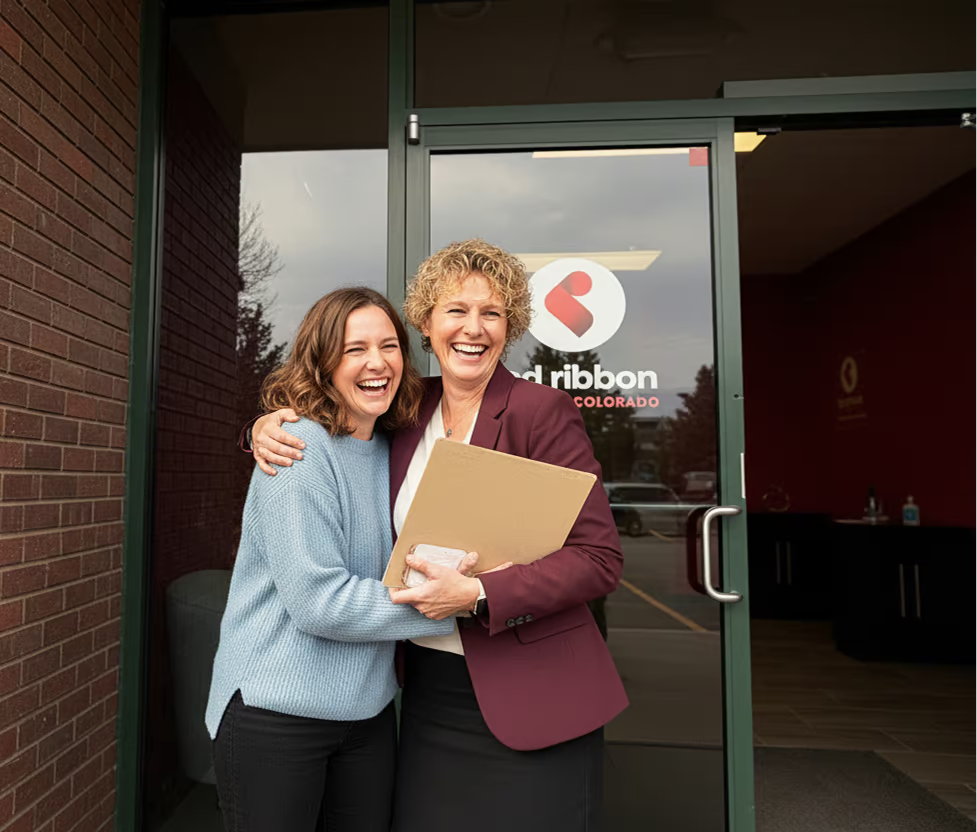
Drug addiction is a serious but treatable condition. At Red Ribbon Recovery Colorado, we understand that struggling with drugs can affect every part of your life—your health, your relationships, and your sense of self. That’s why our drug treatment Colorado facility provides more than just medical care; we offer personalized, evidence-based treatment programs, and a compassionate team committed to walking with you every step of the way.
Whether you’re dealing with cocaine addiction, opioid dependence, or alcohol use, our goal is to provide the most effective drug addiction treatment Colorado can provide, helping you heal in a safe and supportive environment.
What is Drug Addiction? Insights from Drug Addiction Rehabs Colorado
Drug addiction is a chronic condition that often leads to repeated relapse and compulsive drug use, even when it causes serious harm. For many, the pull of addiction feels impossible to escape on their own. The good news is that with the right treatment for drug addiction, recovery is possible and sustainable. With professional and evidence-based care, you can break free from the cycle of addiction and begin building a healthier life centered on lasting recovery.
Who should consider the specialized care offered by drug treatment centers in Colorado?
Anyone struggling with substance use can benefit from the specialized care that our drug treatment Colorado programs provide for both drug and alcohol addiction. Addiction doesn’t always look the same. Some people may use drugs or alcohol daily, while others may binge or hide their use. What matters most is whether substance use is interfering with your health, relationships, work, or overall quality of life.
You or a loved one may want to consider professional addiction treatment services if you notice:
- Feeling unable to stop using drugs or alcohol, even when it causes serious problems
- Needing more of the substance over time to get the same effect
- Experiencing withdrawal symptoms when trying to cut back
- Relationships becoming strained or falling apart because of substance use
- Ongoing financial, legal, or work troubles linked to drinking or drug use
- Struggling with mental health issues like anxiety, depression, or trauma
- Relapsing after attempts to quit on your own
At our addiction treatment center in Colorado, patients receive the personalized care they need to heal. Whether you’re seeking detox, inpatient rehabilitation, or flexible outpatient programs, we offer guidance and support to help you understand your treatment options and take the next steps in recovery.
If substance use has taken control of your life or the life of someone you care about, now is the time to reach out for help. Red Ribbon Recovery Colorado is here to provide hope, healing, and a clear path toward long-term recovery.

You can overcome addiction. Reach out to discover:
Benefits of an addiction treatment center
Like many chronic diseases, finding the right drug treatment Colorado offers is essential for managing addiction and supporting lasting change. The benefits of addiction treatment programs extend far beyond simply stopping substance use. Here’s a closer look:
Improved physical and mental health
Addiction treatment gives the body and mind time to heal, reducing health risks and improving overall well-being. Mental health care is an equally important part of the process. A therapist can help patients address underlying issues and co-occurring disorders such as depression, anxiety, or trauma, which often contribute to addiction and increase the risk of relapse if left untreated.
Stronger relationships and coping skills
Treatment programs help people stabilize important relationships with family, friends, and other support systems. At the same time, individuals gain coping skills to manage stressors and triggers, build self-esteem, and cultivate the confidence needed to maintain a lasting recovery.
Levels of care: evidence-based programs in Colorado
Addiction treatment is not one-size-fits-all. Depending on a person’s needs, different levels of care may be appropriate. Some patients begin with medical detox to safely manage withdrawal, while others may enter inpatient treatment for structured, round-the-clock care. Outpatient treatment provide flexibility for those who can maintain responsibilities at home or in the community. The right level of care depends on factors such as stability at home, mental health needs, the presence of underlying issues, and the severity of the disorder.
Medical detox
Medical detox is often the first stage of drug treatment Colorado residents undergo when starting their journey at a rehab center. This process reduces the risks associated with sudden discontinuation and provides a safer, more comfortable start to the recovery journey.
Medication-assisted treatment (MAT) may be introduced during detox—a standard of care at top-tier drug addiction rehabs Colorado hosts—to ease cravings, manage symptoms, and prepare individuals for ongoing treatment. This stage is highly effective in preparing clients for the next phase of treatment, whether inpatient or outpatient.
Inpatient treatment
Inpatient rehabilitation is a recommended path at many drug addiction rehabs Colorado provides for individuals with a severe substance use disorder or a history of repeated relapse. In an inpatient setting, patients live at the facility full-time and are treated by therapists, support staff, and other professionals. Inpatient recovery services may include individual and group therapy, education about mental health conditions, life skills training, and recreational activities. Inpatient rehab allows clients of any age to focus fully on addiction recovery without outside distractions.
Outpatient programs
Outpatient treatment programs are designed for patients who can live at home or in sober living while continuing structured care. This option reduces out of pocket expenses compared to residential treatment and provides flexibility for those balancing work, school, or family life. Outpatient rehab is often part of a full continuum of drug treatment Colorado families trust, giving each person access to the right level of support at the right time.
Partial hospitalization program (PHP)
A partial hospitalization program (PHP) delivers intensive care similar to an inpatient facility but with more flexibility. Patients spend most of the day in therapy and psychiatric care at one of the premier drug addiction treatment centers in the region, then return home at night. This level of care is particularly useful for someone who requires structured treatment but also wants to maintain connections with a loved one or continue responsibilities outside of the rehab center.
Intensive outpatient program (IOP)
An intensive outpatient program (IOP) provides many of the same evidence-based therapies used in PHP and inpatient rehab but with a schedule that allows clients to keep up with daily commitments. Patients are treated through multiple therapy sessions per week, building skills and practicing them in real-world settings. IOP helps a person strengthen their recovery through structured drug abuse treatment while maintaining their independence.
Outpatient program (OP)
An outpatient program (OP) is a step-down level of care, often used after PHP, IOP, or inpatient treatment. Patients may attend therapy nine to 30 hours per week depending on individual needs. OP focuses on reinforcing coping strategies within our drug abuse treatment programs, addressing ongoing mental health conditions, and supporting long-term recovery. This form of treatment is especially beneficial for clients who are ready for greater independence while still connected to professional care and peer support.
The right level of care to start depends on a number of factors such as stability at home, mental health, and substance use history. Our rehab facility in Colorado can help you understand your treatment options, set realistic recovery goals, and find the support you need to move forward with confidence.
Free Insurance Check
Our rehab center accepts most insurance plans.
Check if your insurance will cover the cost of treatment by filling out our confidential insurance form. We accept most insurance plans.

Treatment services offered in inpatient and outpatient
At our facility, we believe that effective drug treatment Colorado patients can rely on begins with methods that have been proven to work. Guided by a dedicated medical team, our programs are designed to give each person the ability to achieve and maintain long term sobriety.
We incorporate a variety of proven therapies, such as medication-assisted treatment (MAT) and behavioral therapies, and adapt them to fit each person’s needs. This way, treatment is both structured and personalized.
Individual therapy
Individual therapy is a one-on-one session with a trained professional where you can explore the emotional aspects of substance use disorder, the underlying causes, and the thought patterns that fuel addictive behaviors. It serves as a cornerstone of treatment, giving you the space and resources to build healthier coping strategies and create a personalized relapse prevention plan with the help of your therapist.
Group therapy
Group therapy is a vital component of treatment for drug addiction, bringing people together who are facing similar challenges in a supportive environment. Led by a trained professional at our rehab facility in Colorado, these sessions give you the opportunity to share your experiences, listen to others, and learn new perspectives. Through these connections, you’ll realize you’re not alone and begin building a strong support network that can help sustain your recovery.
Rehab might feel like a big step, but remember why you're here—you’re looking for a way forward. We can help.
Get addiction treatment now at our recovery center in Colorado
Red Ribbon Recovery Colorado serves people from Denver, Colorado Springs, Aurora, Fort Collins, communities throughout the Rocky Mountains, and surrounding areas. Our top notch programs in Colorado are designed with a focus on providing effective care through a range of treatment options held to the highest standards.
Our drug and alcohol rehab in Colorado accepts most major insurance plans, except Medicaid insurance, and our team is available to verify your insurance coverage and discuss the most appropriate level of care for your needs. Contact us today to find out more about our Colorado rehab center, available programs, accepted insurance plans and how we can help you or your loved one find hope and lasting sobriety.
We are here to help you or a loved one find addiction treatment near you.
Admitting you have a substance abuse problem and asking for help is not always easy. If you or a loved one are struggling with drug addiction, alcohol addiction or another substance use disorder, help is available. Call SAMHSA’s National Helpline at (303) 219-3980 to learn about resources in your area or reach out to our team for personalized treatment.
Treatment Center Reviews
Bridget LaRocco
I have been to this facility twice now, for Laser Hair removal and Botox. I saw Kim 2 times now for laser and she has been great, she made me feel really comfortable and…
Bridget LaRocco
I have been to this facility twice now, for Laser Hair removal and Botox. I saw Kim 2 times now for laser and she has been great, she made me feel really comfortable and…
Bridget LaRocco
I have been to this facility twice now, for Laser Hair removal and Botox. I saw Kim 2 times now for laser and she has been great, she made me feel really comfortable and…
Sources
- Substance Abuse and Mental Health Services Administration (SAMHSA). (2016). Chapter 3. Intensive outpatient treatment and the continuum of care
- National Institute on Drug Abuse (NIDA). (July 2020). Drug Misuse and Addiction
- National Institute on Drug Abuse (NIDA). (July 2020). Treatment and Recovery
- National Institute on Drug Abuse. (June 2018). Understanding drug use and addiction: drug facts
- Substance Abuse and Mental Health Services Administration (SAMHSA). (2006). Chapter 3. Intensive Outpatient Treatment and the Continuum of Care
- Hendershot, C. S., Witkiewitz, K., George, W. H., & Marlatt, G. A. (July 2011). Relapse prevention for addictive behaviors. Substance Abuse Treatment, Prevention, and Policy, 6, Article 17.
About the content
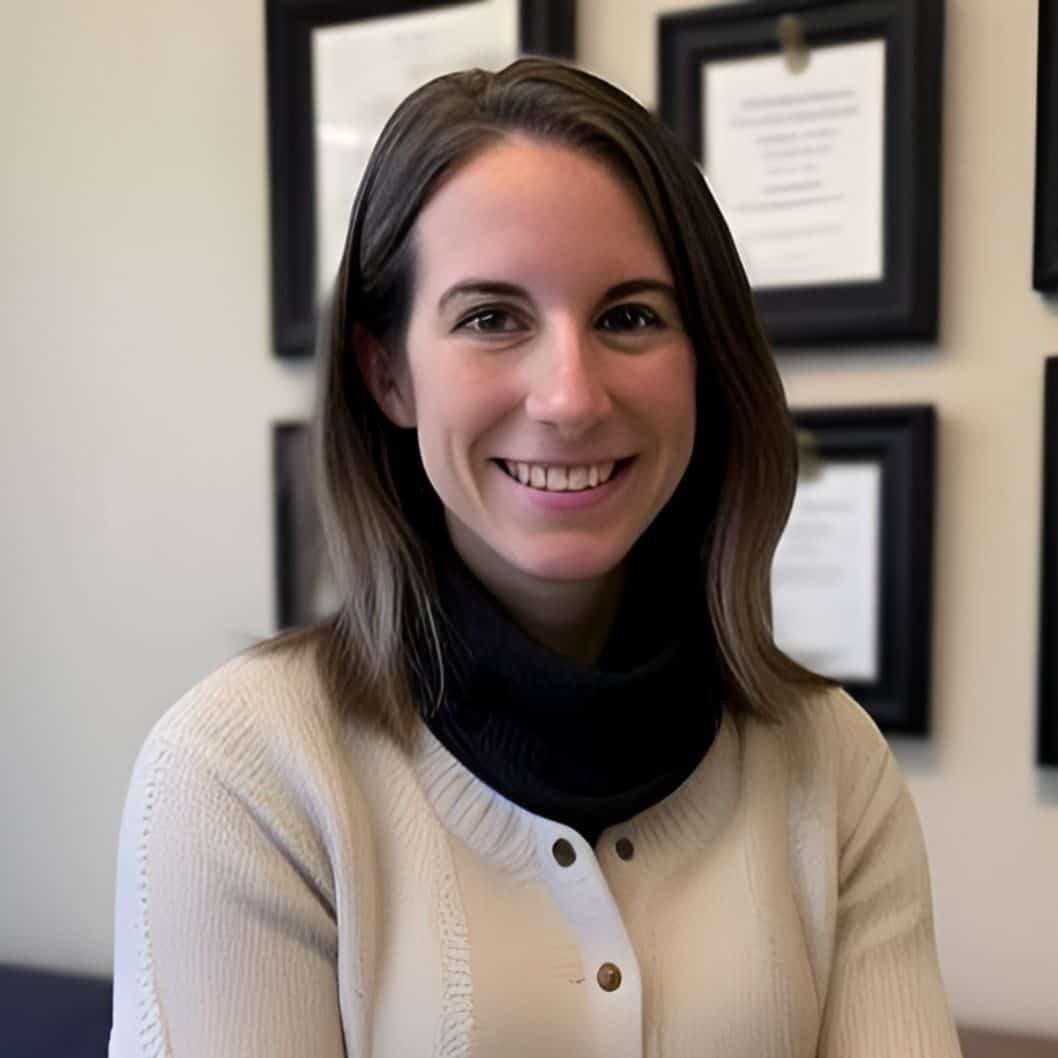
Written by: Carli Simmonds. Carli Simmonds holds a Master of Arts in Community Health Psychology from Northeastern University. From a young age, she witnessed the challenges her community faced with substance abuse, addiction, and mental health challenges, inspiring her dedication to the field.
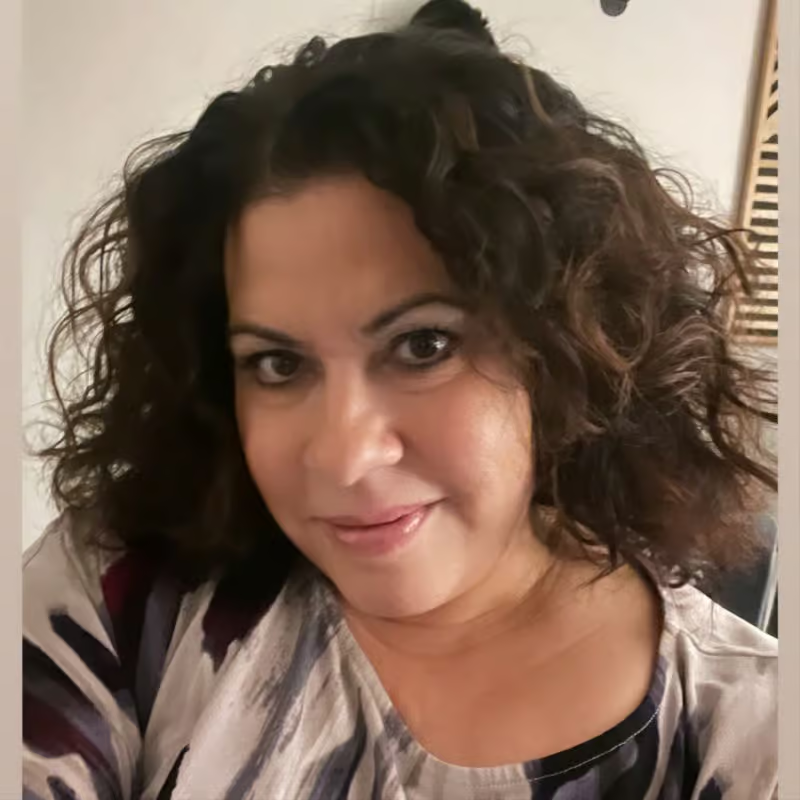
Medical reviewed by: Jodi Tarantino, LICSW. Jodi Tarantino is an experienced, licensed Independent Clinical Social Worker (LICSW) and Program Director with over 20 years of experience in Behavioral Healthcare. Also reviewed by the RRR Editorial team.
Red Ribbon Recovery is committed to delivering transparent, up-to-date, and medically accurate information. All content is carefully written and reviewed by experienced professionals to ensure clarity and reliability. During the editorial and medical review process, our team fact-checks information using reputable sources. Our goal is to create content that is informative, easy to understand and helpful to our visitors.