Benzodiazepines, commonly referred to as benzos, are prescription medications often used to treat anxiety, insomnia, panic disorders, and more. When taken as prescribed, they can bring real relief for people struggling with these conditions. Unfortunately, their calming effect on brain activity also makes them highly addictive. Many people abuse benzodiazepines, essentially taking higher doses (sometimes much higher) than recommended, mixing them with alcohol or other substances, or using them without medical supervision.
What begins as short-term help can quickly turn into dependence and substance abuse. Before long, stopping leads to withdrawal symptoms, daily life revolves around the drug, and the person is left caught in the cycle of benzo addiction. Many individuals seeking benzo addiction treatment Indiana or elsewhere find that traveling for specialized care offers the fresh start needed to break this cycle.
Benzodiazepine Addiction: Finding the Right Treatment for Benzo Addiction
Benzodiazepine addiction typically happens when someone develops a physical dependence on these commonly prescribed drugs. The body itself adapts to the medication, meaning ever higher doses are needed to feel the same effects. This increased tolerance then turns into a dangerous cycle that makes quitting without professional help nearly impossible.
People struggling with benzo abuse may:
- Take pills more often than prescribed.
- Experience anxiety or panic attacks when trying to stop.
- Become secretive about their use.
- “Doctor shop” to get multiple prescriptions.
- Show warning signs like irritability, fatigue, or risky behaviors.
Side effects of Benzodiazepines
One of the hardest realities of substance use disorders and various addictions, specifically benzodiazepine addiction, is facing withdrawal. Because benzos work directly on the brain’s calming system, suddenly stopping comes with a significant risk for severe withdrawal symptoms that may even become life-threatening without help. That’s why it’s so important to go through the process with the right care and support. Accessing professional treatment for benzo addiction ensures that withdrawal is managed by clinical experts who can mitigate these risks and keep you comfortable.
Common and severe symptoms of withdrawal include:
- Intense anxiety and panic
- Trouble sleeping
- Physical pain and headaches
- Mood swings and depression
- Risk of seizures
Because of these risks, trying to detox alone puts people in real danger. By taking this first step in a safe environment, clients can begin recovering with stability, strength, and hope.
Stages of Benzo addiction
Early misuse
Many people start by taking benzos for legitimate reasons, such as to treat common symptoms of mental disorders. Over time, they may take higher doses to feel the same effects.
Dependence and escalating use
As the body adjusts, benzos no longer bring the same relief. Daily life becomes centered on the drug, and stopping causes uncomfortable withdrawal symptoms like fatigue, irritability, or intense cravings.
Full addiction
At this stage, the person is unable to function without the drug. School, work, and relationships suffer, and professional help becomes the only way to break free. Whether you have explored benzo addiction treatment Indiana local programs or are looking further afield, finding a high level of clinical care is essential.

You can overcome addiction. Reach out to discover:
Dangers of Benzodiazepine abuse
Misusing benzos comes with both short- and long-term risks. In the short term, people may experience drowsiness, confusion, or difficulty concentrating. Because the dangers grow more serious with time, many families searching for benzo addiction treatment Indiana look for programs that offer comprehensive medical stabilization to prevent long-term damage.
Chronic insomnia or inability to sleep
Ironically, a medication often prescribed to help with rest can eventually make sleep nearly impossible. Over time, benzo misuse interferes with natural sleep cycles, leaving people exhausted and unable to restore their energy.
Memory loss and cognitive decline
Extended use of benzos may dull memory, slow thinking, and impair focus. These changes in brain activity can affect work, school, and relationships in ways that are difficult to ignore.
Higher risk of seizures
One of the most serious consequences of long-term use is an increased likelihood of seizures, especially during withdrawal or when benzos are stopped abruptly. This makes professional care essential.
Strain on the heart and blood pressure
Benzo misuse can disrupt the body beyond the brain. Over time, individuals may develop irregular heartbeat, blood pressure complications, or other cardiovascular issues that put their overall well-being at risk.
Dependency on other substances
Because the body adapts, many people begin to mix benzos with other substances such as alcohol or opioids to feel the same effects. This creates a dangerous cycle that heightens the risk of overdose and other life-threatening consequences.
When combined with alcohol withdrawal or misuse of other prescription drugs, the dangers can multiply quickly. Without intervention, benzodiazepine addiction can spiral, leading to devastating and harmful consequences.
What recovery from benzodiazepine addiction looks like
Healing from benzo addiction is not a quick fix; it’s a journey. Recovery from benzodiazepines often begins with medical detox, followed by structured addiction treatment that includes personalized therapy, education, and long-term planning. While some may look for benzo addiction treatment Indiana, our Colorado facility provides a serene environment specifically designed for deep healing.
Benzo detox in Colorado
For anyone dependent on benzodiazepines, medically supervised detox is the safest way to begin recovery from benzo abuse. Our team provides the same level of rigorous medical oversight you would expect from top-tier benzo addiction treatment Indiana facilities, ensuring safety throughout the withdrawal process. In a medical detox setting, clients receive medical support to ease discomfort, lower health risks, and keep them stable. Staff provide steady guidance throughout the process, ensuring no one goes through withdrawal alone. This support helps the body adjust safely and gives clients the stability they need to continue treatment.
WE ARE AVAILABLE 24/7
Request a call for answers and help.
If you or someone you care about is struggling with addiction or mental health problems, request a call to speak with a knowledgeable treatment specialist. Our team is here to help you understand your options for care. There is no cost or obligation to enter treatment by requesting a call.
"*" indicates required fields
Benzo addiction treatment in Denver, Colorado
Effective benzo rehab is built around safety, structured treatment, and ongoing support. At the Denver facility, clients start with a strong foundation and move forward into programs that address not only the physical aspects of withdrawal, but also the deeper causes of addiction.
Comprehensive care from the start
The recovery journey begins with careful medical oversight to stabilize withdrawal symptoms. This first step is essential, but it’s only the beginning. From here, clients receive individualized treatment that blends evidence-based therapy, peer support, and holistic care.
Therapy to meet emotional needs
Addiction is as much emotional as it is physical. That’s why rehab includes both group sessions and one-on-one counseling, giving clients the space to share openly, build resilience, and develop tools for long-term recovery.
Building long-term stability
Sustainable, ongoing healing requires more than managing withdrawal. Structured rehab programs help uncover the root causes of benzo misuse, address co-occurring mental health conditions, and create healthier coping strategies. Clients leave with a plan, skills, and a support system that extends beyond rehab.
Lasting recovery in Denver
The end goal of this process is about more than just detoxing from benzos. Instead, it’s reclaiming balance and building a fulfilling life free from benzo addiction. With the right combination of medical care, therapy, and community, recovery becomes not only possible but lasting.
Free Insurance Check
Our rehab center accepts most insurance plans.
Check if your insurance will cover the cost of treatment by filling out our confidential insurance form. We accept most insurance plans.

Treatment options for Benzo addiction
No two people experience addiction the same way, which is why any good program should focus on treating the whole person—body, mind, and spirit. Our benzo addiction treatment programs include:
Inpatient treatment
For those with severe addiction or past relapses from benzo abuse, inpatient treatment program offer more of a structured environment with 24/7 care. This level of immersion is often a primary goal for those seeking benzo addiction treatment Indiana, as it removes the individual from local triggers and provides a dedicated space for healing.
Outpatient programs
For those seeking treatment for benzo addiction who need a bit more flexibility, outpatient programs allow clients to attend therapy sessions and receive professional support while still continuing with work or school.
Behavioral therapy programs
Cognitive behavioral therapy
Cognitive behavioral therapy is one of the most effective treatment tools when it comes to benzodiazepine abuse and benzo addiction treatment. This evidence-based approach is a cornerstone of effective benzo addiction treatment Indiana and Colorado programs alike, helping patients manage triggers effectively.
Individual and group therapy
Recovery is more successful when clients have opportunities to heal both individually and alongside others who are in the same boat as them. Through these therapy options, clients connect with peers who understand their struggles. Individual therapy provides a safe space for deep personal work, while family therapy helps rebuild trust with family members.
Relapse prevention planning
Recovery isn’t just about stopping benzo abuse or recovering from benzo withdrawal, but rather about maintaining progress and long-term improvement. With structured prevention planning following benzodiazepine addiction treatment, clients are able to learn to recognize their triggers, build strong support groups, and create a roadmap for what the recovery process looks like.
Rehab might feel like a big step, but remember why you're here—you’re looking for a way forward. We can help.
Get help with Benzo addiction treatment in Denver, Colorado
If you or someone you love is struggling with benzodiazepine addiction, you don’t have to go through it alone. Benzo dependence can feel overwhelming, especially when withdrawal symptoms or cravings make it difficult to break free. At Red Ribbon Recovery, we understand the challenges that come with this type of addiction, and we’re here to walk beside you every step of the way.
Call Red Ribbon Recovery today at 888-899-3880 or contact us today for resources to compassionate care that will start you on your journey toward lifelong recovery and true freedom from benzos.
We are here to help you or a loved one find addiction treatment near you.
Admitting you have a substance abuse problem and asking for help is not always easy. If you or a loved one are struggling with drug addiction, alcohol addiction or another substance use disorder, help is available. Call SAMHSA’s National Helpline at (303) 219-3980 to learn about resources in your area or reach out to our team for personalized treatment.
Treatment Center Reviews
Bridget LaRocco
I have been to this facility twice now, for Laser Hair removal and Botox. I saw Kim 2 times now for laser and she has been great, she made me feel really comfortable and…
Bridget LaRocco
I have been to this facility twice now, for Laser Hair removal and Botox. I saw Kim 2 times now for laser and she has been great, she made me feel really comfortable and…
Bridget LaRocco
I have been to this facility twice now, for Laser Hair removal and Botox. I saw Kim 2 times now for laser and she has been great, she made me feel really comfortable and…
Sources
- Professional, C. C. M. (2025a, June 30). Benzodiazepines (Benzos). Cleveland Clinic. https://my.clevelandclinic.org/health/treatments/24570-benzodiazepines-benzos
- Pétursson, H. (1994). The benzodiazepine withdrawal syndrome. Addiction, 89(11), 1455–1459. https://doi.org/10.1111/j.1360-0443.1994.tb03743.x
About the content

Written by: Carli Simmonds. Carli Simmonds holds a Master of Arts in Community Health Psychology from Northeastern University. From a young age, she witnessed the challenges her community faced with substance abuse, addiction, and mental health challenges, inspiring her dedication to the field.
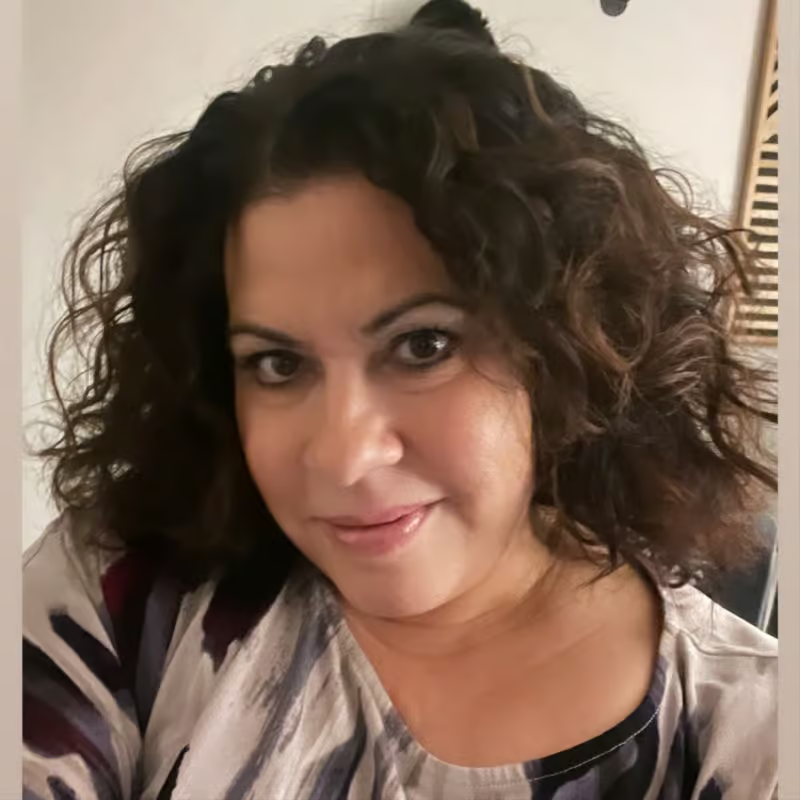
Medical reviewed by: Jodi Tarantino, LICSW. Jodi Tarantino is an experienced, licensed Independent Clinical Social Worker (LICSW) and Program Director with over 20 years of experience in Behavioral Healthcare. Also reviewed by the RRR Editorial team.
Red Ribbon Recovery is committed to delivering transparent, up-to-date, and medically accurate information. All content is carefully written and reviewed by experienced professionals to ensure clarity and reliability. During the editorial and medical review process, our team fact-checks information using reputable sources. Our goal is to create content that is informative, easy to understand and helpful to our visitors.